
Politics
Local Elections Face Further Delays Amid Controversial Council Shake-Up

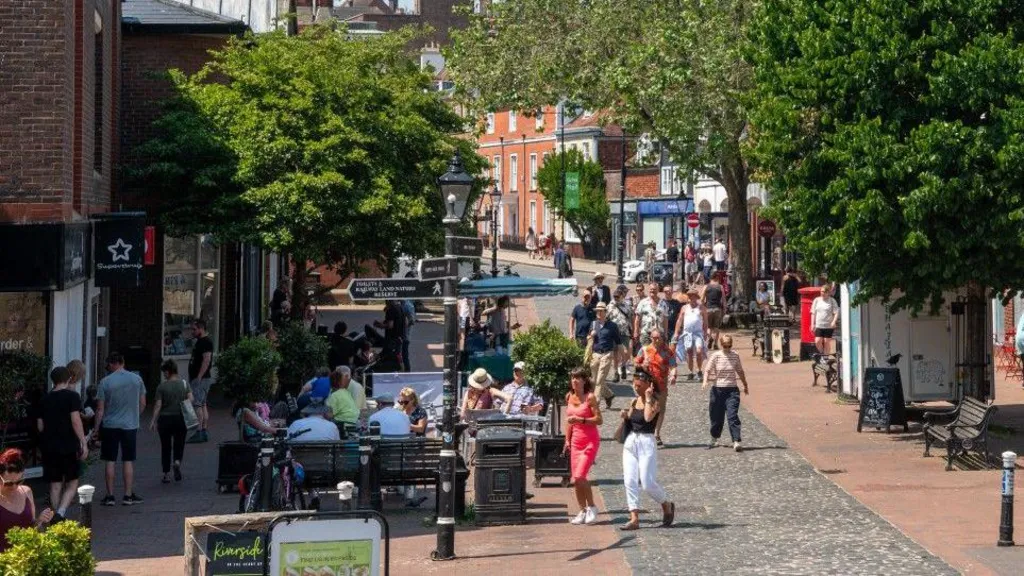
Local elections in parts of England are facing further postponements as debates intensify over Labour’s planned overhaul of local government. Ministers have indicated that elections originally due in May 2026 could be delayed until 2027 if local authorities formally request a postponement by mid-January.
This marks the second round of delays for some councils. Polls in nine areas, including parts of East Sussex, had already been postponed once from their original May 2025 dates. The repeated deferments have sparked political controversy and accusations of manipulation by opposition parties.
The proposed reforms, championed by Labour, aim to restructure local government authorities in England, consolidating councils and adjusting electoral boundaries. Supporters argue that the shake-up will create more efficient governance, reduce bureaucracy, and streamline public services. Critics, however, warn that the plan could disrupt democratic processes and disenfranchise voters.
The prospect of further delays has intensified tensions between political parties. Reform UK leader Nigel Farage accused Labour and the Conservatives of colluding to prevent his party from gaining electoral ground. “This is a clear attempt to manipulate the system and stifle democratic choice,” he said. Farage’s comments underscore the highly charged atmosphere surrounding the local elections and the broader debate about electoral reform.
Ministers have emphasized that any postponement will be determined by local councils’ formal requests and will require parliamentary approval. Officials have stressed that the aim is not to interfere with democratic representation but to ensure that elections align with the proposed new council structures.
Voters in affected areas have expressed frustration and confusion over the repeated delays. Many residents report uncertainty about when they will be able to vote and who will represent them in local government during the interim. Community groups and local journalists have highlighted the need for clear communication from councils to prevent disengagement or apathy among the electorate.
Political analysts say the delays reflect broader tensions in English local governance, where attempts at reform often collide with entrenched party interests. “When structural changes are proposed in local government, elections become highly politicized,” one analyst noted. “The risk is that governance is interrupted and voter confidence is undermined.”
As the January deadline approaches, councils must decide whether to request the postponement, and ministers will need to consider parliamentary approval. The outcome will determine whether local elections across multiple areas proceed as planned or are deferred, potentially reshaping the political landscape for the coming decade.
With elections now hanging in the balance, the controversy highlights the complex interplay between government reform, party politics, and democratic representation in England.



