Politics
Lib Dem Led Council Seeks Election Delay Despite Party Leader’s Human Rights Warning

A controversial request from a Liberal Democrat council
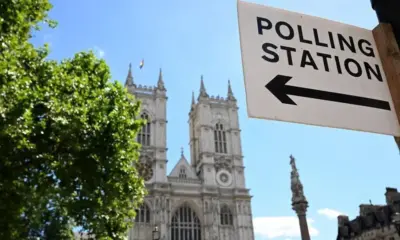
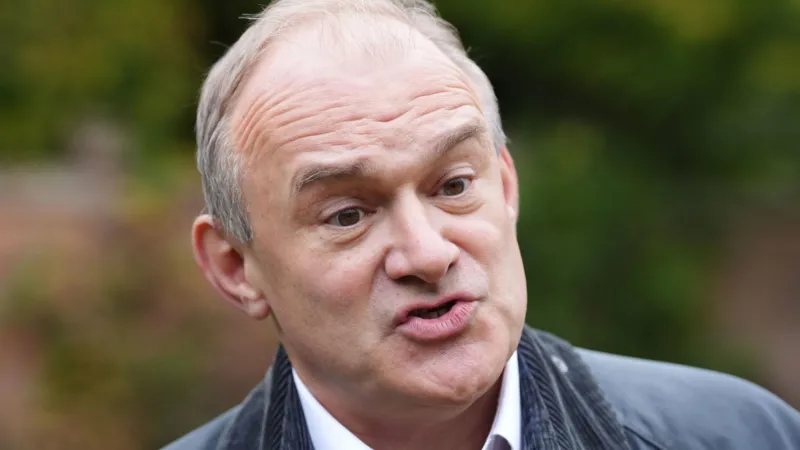
A Liberal Democrat controlled local authority has announced plans to ask the government to delay its upcoming local elections, triggering political controversy within the party itself. Cheltenham Borough Council has confirmed it will formally request a 12 month postponement of elections scheduled for 7 May. The decision comes just weeks after Liberal Democrat leader Ed Davey warned that delaying elections could amount to a breach of human rights.
Why the council wants a delay
Council leaders argue that proceeding with the elections under current conditions would be financially irresponsible. According to the authority, the cost of running the polls is difficult to justify at a time when local government budgets are under significant pressure. Officials say that postponing the vote would allow resources to be focused on essential services rather than election administration. The council insists the request is pragmatic rather than political, framed as a response to fiscal realities rather than democratic convenience.
How Cheltenham’s election cycle works
Cheltenham operates a system in which half of its councillors are elected every two years, a structure in place since 2002. The most recent local elections were held in 2024, meaning voters were already scheduled to return to the polls relatively quickly. Supporters of the delay argue that extending the current term by a year would not dramatically undermine democratic accountability given the staggered election system. Critics, however, say any extension without a public vote sets a worrying precedent.
Davey’s earlier warning on human rights
The council’s move appears to contradict the stance taken by its own party leader only weeks earlier. Before Christmas, Davey urged the Equality and Human Rights Commission to investigate government proposals that would allow councils to delay elections on request. He argued that denying voters the opportunity to elect representatives on schedule could breach fundamental democratic rights. That warning now sits uneasily alongside a Liberal Democrat council seeking precisely such a delay.
Government signals and political tension
The issue gained momentum after ministers indicated they would consider granting election delays to councils that asked for them. This prompted concerns about consistency and political interference in local democracy. While the government has framed the option as voluntary and practical, opposition figures have questioned whether allowing selective postponements undermines the principle of regular elections. The Cheltenham request adds weight to those concerns, particularly given the apparent inconsistency within the Liberal Democrats.
Democratic principles versus financial pressure
At the heart of the debate is a tension between democratic norms and financial constraints. Local elections are a core mechanism of accountability, but they are also costly to run. Councils across England face rising service demands and shrinking budgets, forcing difficult choices. Supporters of postponement argue that short term delays may be justified to protect essential services. Opponents counter that democracy should not be treated as discretionary, warning that financial arguments could be used repeatedly to justify future delays.
Public perception and political risk
The request also carries reputational risk for the Liberal Democrats, a party that has traditionally positioned itself as a defender of civil liberties and democratic standards. Critics may accuse the party of hypocrisy if it supports delays at a local level while opposing them nationally. For voters, the episode could fuel cynicism about political consistency and motivations, particularly if decisions appear to benefit those already in power.
What happens next
Cheltenham Borough Council’s request will now be considered by the government, which must decide whether to grant the delay and under what conditions. The decision could set an important precedent for other councils considering similar moves. As the debate unfolds, it raises broader questions about how local democracy is protected during times of financial strain and whether principles or practicality will ultimately take precedence.