
Tech
Lego Smart Bricks spark debate over creativity and technology in children’s play

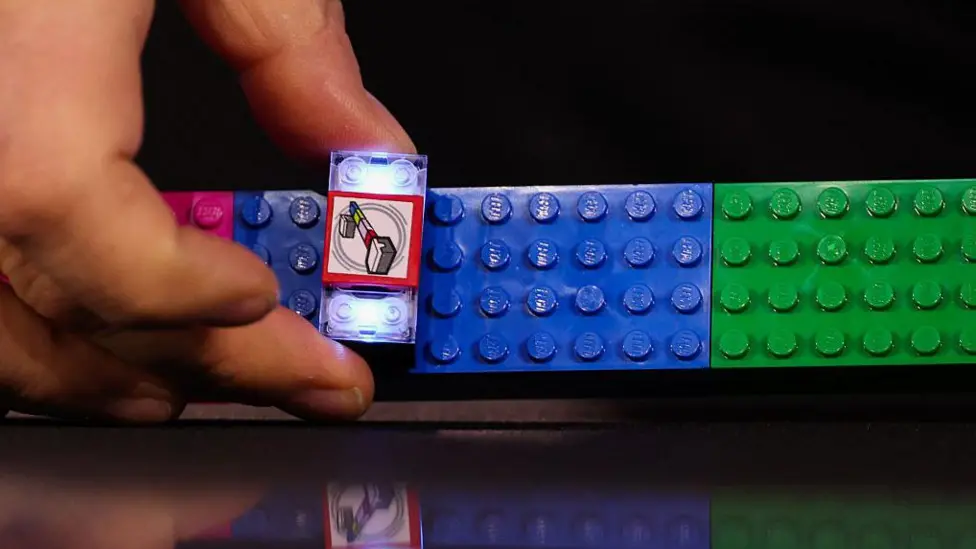
Lego brings electronics into its classic building blocks
Lego has unveiled a new generation of building blocks designed to respond to sound, light, and movement, marking a major shift for one of the world’s most recognisable toys. The new Smart Bricks were revealed at Consumer Electronics Show 2026 and form part of what Lego calls its Smart Play system. According to the company, the technology embedded in the blocks allows physical models to react dynamically as children build and play, adding new layers of interaction to traditional sets.
Lego describes the launch as its most revolutionary innovation in almost five decades. The first Smart Bricks products are scheduled to arrive in March, beginning with a new Star Wars themed set. Sensors and electronic components inside the bricks will enable creations to light up, produce sound effects, and respond to movement, blurring the line between digital experiences and hands on construction.
Why Lego sees Smart Bricks as the future
For Lego, the move reflects changing expectations among children who are growing up surrounded by screens, apps, and interactive technology. The company argues that Smart Bricks are designed to complement, not replace, creative play by adding responsiveness while keeping the familiar Lego building experience intact. Executives say the goal is to make physical play feel more immersive and engaging in a world where digital entertainment increasingly competes for attention.
Lego has previously experimented with technology through robotics kits and app connected sets, but Smart Bricks represent a deeper integration of electronics into its core product. By embedding technology directly into standard looking bricks, the company hopes to avoid creating a toy that feels separate from classic Lego, instead evolving the concept in a way that appeals to both children and parents.
Concerns from play and child development experts
Not everyone is convinced the shift is a positive one. Play specialists and child wellbeing advocates have raised concerns that Smart Bricks could undermine the qualities that made Lego iconic in the first place. Critics argue that open ended play, where children invent their own stories and rules, is central to Lego’s educational value.
Josh Golin, executive director of the children’s wellbeing organisation Fairplay, has warned that Smart Bricks risk taking imagination out of children’s hands. He believes the magic of Lego has always come from its simplicity, allowing children to decide what a structure is and how it behaves, rather than being guided by pre programmed responses.
The wider debate about technology in play
The controversy reflects a broader debate about how much technology should be present in children’s toys. As digital devices become more common in early childhood, many parents and educators worry about screen time and overstimulation. Toys like Lego have traditionally been seen as a counterbalance, encouraging focus, creativity, and problem solving without digital prompts.
Supporters of Smart Bricks argue that technology itself is not the problem, but how it is used. If the electronic features are optional and flexible, they could inspire new forms of creativity rather than limit it. Skeptics remain cautious, questioning whether children will rely on built in effects instead of inventing their own ideas.
What Smart Bricks could mean for Lego’s identity
The success or failure of Smart Bricks may have implications beyond a single product line. Lego’s brand has long been built on timeless design and intergenerational appeal. Introducing electronics into its most basic elements could reshape how the brand is perceived, particularly by parents who value traditional play.
As Smart Bricks reach the market, consumer response will likely determine whether Lego has struck the right balance between innovation and imagination. The debate highlights a central tension in modern toy design, finding ways to evolve without losing the simplicity that made a product enduring in the first place.



