
Sports
Legendary Trainer Ian Balding Dies Aged 87, Leaving Lasting Racing Legacy

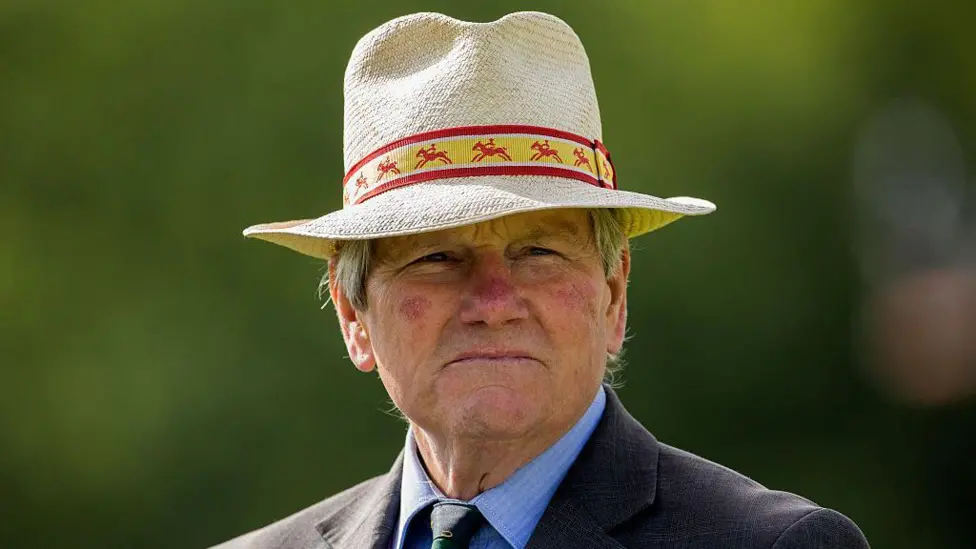
A towering figure in British racing passes away
British horse racing is mourning the loss of one of its most respected figures following the death of Ian Balding at the age of 87. Best known as the trainer of the 1971 Epsom Derby winner Mill Reef, Balding’s career spanned decades and left an enduring imprint on the sport.
Widely admired for his horsemanship, discipline, and integrity, Balding was regarded as one of the most accomplished trainers of his generation. His influence extended well beyond headline victories, shaping modern British training standards and mentoring future figures in the industry.
Early success as an amateur jockey
Before establishing himself as a trainer, Balding enjoyed success in the saddle as an amateur jockey. One of his most notable achievements came in 1963, when he won the National Hunt Chase at the Cheltenham Festival aboard Time at just 25 years old.
That victory offered an early glimpse of Balding’s deep understanding of horses and racecraft. Although his riding career was relatively brief, it laid the foundation for the training career in which he would truly excel.
A training career defined by excellence
Balding’s reputation was built at his Kingsclere training base near Newbury, where he developed one of the most successful and respected yards in British racing. Over the years, Kingsclere produced a remarkable number of top class performers, earning Balding widespread acclaim.
Among the Group One winners trained by Balding were Glint Of Gold, Selkirk, and Lochsong, each a standout in their respective eras. However, it was Mill Reef who cemented Balding’s place in racing history.
Mill Reef and a defining chapter
Mill Reef remains one of the greatest racehorses ever to grace British turf. Under Balding’s guidance, the colt won the Epsom Derby in 1971 before adding the Prix de l’Arc de Triomphe and the King George VI and Queen Elizabeth Stakes to his record.
The partnership between trainer and horse was widely seen as a model of patience and precision. Balding’s careful handling of Mill Reef, particularly following injury, earned him admiration across the racing world and highlighted his reputation as a horseman who always prioritised welfare alongside performance.
Kingsclere as a centre of racing excellence
Balding’s Kingsclere yard became synonymous with consistency, professionalism, and high standards. Owners trusted him not only to win races, but to manage their horses with honesty and care.
His training operation was known for its calm, disciplined environment, producing horses that often improved steadily rather than peaking early. Many within the sport credit Balding with influencing a more measured and thoughtful approach to training elite thoroughbreds.
A family deeply rooted in racing
Racing was central to Balding’s life, but so was family. He was the father of Clare Balding, one of Britain’s most recognisable sports broadcasters, whose career has helped bring horse racing and other sports to wider audiences.
The Balding family’s contribution to British sport spans generations, with Ian Balding’s legacy forming a cornerstone of that tradition.
Tributes from across the racing world
Following news of his death, tributes poured in from owners, jockeys, trainers, and racing organisations, many describing Balding as a gentleman of the sport. Colleagues praised his fairness, humility, and unwavering commitment to excellence.
For many, Balding represented a standard of professionalism that transcended results alone.
A legacy that endures
Ian Balding’s death marks the end of an era, but his influence on British racing will endure through the horses he trained, the people he mentored, and the values he upheld.
From Cheltenham success as a young amateur to training one of the greatest racehorses of all time, Balding’s career told the story of dedication, skill, and quiet authority.
British racing has lost a legend, but his legacy remains firmly woven into the sport’s history.



