Politics
Labour MPs Press Government to Block China’s Proposed Mega Embassy in London

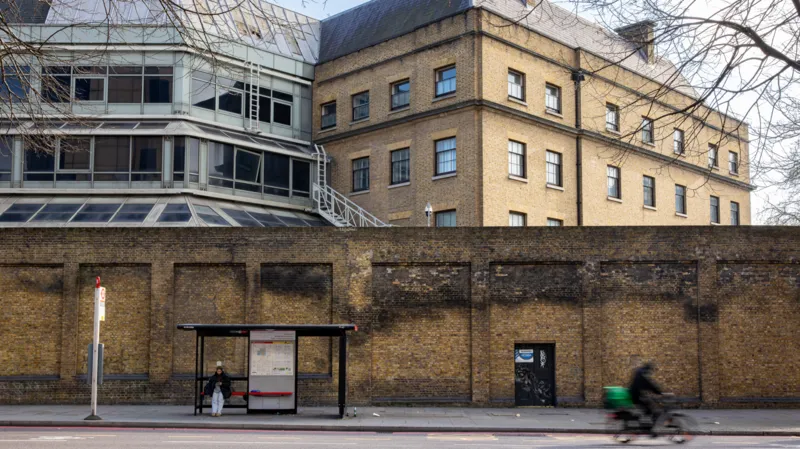
A growing political row is unfolding in Westminster as a group of Labour MPs urge the government to reject China’s plans for a vast new embassy complex in central London. With a decision deadline looming, the dispute has brought together national security concerns, local opposition and wider questions about how the UK manages relations with Beijing at a time of heightened global tension.
Why the proposed embassy has become so controversial
At the centre of the debate is a plan by China to consolidate its diplomatic operations into a single, large scale site at Royal Mint Court, close to the City of London. Supporters argue that the move is a practical update to ageing diplomatic premises. Critics see something far more sensitive.
In a letter sent to the Communities Secretary, Steve Reed, nine Labour MPs warned that the site could pose security risks and become a focal point for intimidation against Chinese dissidents living in the UK. The MPs argue that the scale and location of the embassy would make it uniquely powerful as a diplomatic and surveillance hub.
Security and intimidation concerns raised by MPs
The MPs’ letter highlights fears that a mega embassy could be used to monitor or pressure activists, journalists and members of the Chinese diaspora critical of Beijing. Similar accusations have been levelled in other countries, where Chinese diplomatic or quasi diplomatic facilities have been linked to intimidation campaigns.
While no formal allegations have been proven in relation to the London site, the MPs argue that the risk alone should be sufficient to halt the project. They stress that the UK has a responsibility to protect freedom of expression and the safety of those who have sought refuge from authoritarian regimes.
Local residents prepare for legal action
Opposition to the plan is not limited to Westminster. Residents living in flats that form part of Royal Mint Court say they are preparing to launch a legal challenge if the development is approved. Many argue that they were not adequately consulted and fear the impact on daily life, from increased security presence to potential protests and disruption.
For residents, the issue blends personal and political concerns. Living next to one of the largest Chinese diplomatic sites in Europe would fundamentally change the character of the area, they argue, while exposing them to risks they did not choose.
The government’s argument for consolidation
Despite the pushback, the government has defended the proposal in principle. Downing Street has suggested that consolidating China’s diplomatic operations into a single location could actually improve security. From this perspective, managing one site may be easier and safer than monitoring multiple scattered premises across London.
Officials also point to diplomatic norms. Major powers typically operate large embassies in capital cities, and blocking the project outright could provoke retaliation or complicate already delicate UK China relations.
A broader test of UK China policy
The controversy reflects deeper uncertainty in Britain’s approach to China. The government is trying to balance economic engagement, diplomatic pragmatism and national security. Decisions like this one have symbolic weight, signalling how far the UK is willing to accommodate Beijing’s presence on its soil.
For Labour MPs, the issue cuts to values as much as policy. Allowing the embassy, they argue, risks sending the wrong message to dissidents and allies alike. For the government, rejecting it could escalate tensions at a sensitive moment.
What happens next
The decision now rests with Steve Reed, whose ruling will shape not only the future of Royal Mint Court but also the tone of UK China relations. If approved, the project is likely to face legal delays. If rejected, Beijing is expected to respond sharply.
Either way, the debate has already exposed how foreign policy, urban planning and human rights are increasingly intertwined. The question facing ministers is not just where an embassy should be built, but what kind of global role the UK wants to project.