News
Jailed Venezuelan Politician’s Son Warns Trump Not to Be Fooled by Prisoner Release Pledges

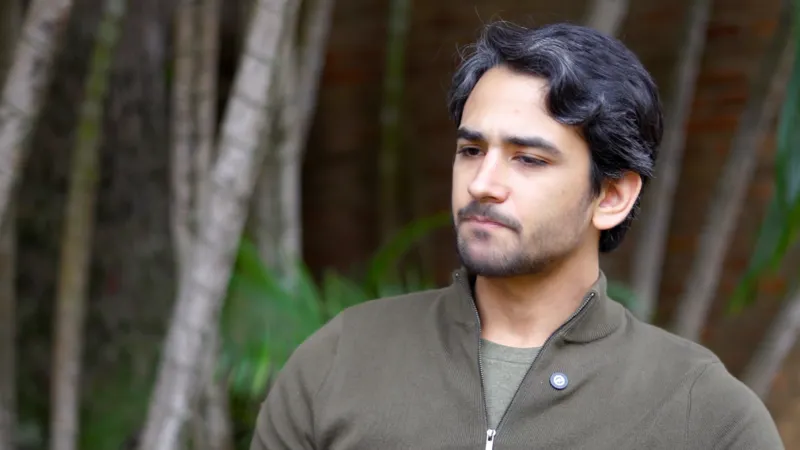
The son of a jailed Venezuelan opposition leader has warned US President Donald Trump not to be misled by promises from Caracas over the release of political prisoners, saying the government has fallen far short of its public commitments. The warning comes amid renewed international attention on Venezuela’s human rights record and the credibility of recent gestures toward reconciliation.
Ramón Guanipa, whose father Juan Pablo Guanipa remains in detention, said he believes Washington may not have a full picture of the situation on the ground. He argued that despite public statements suggesting progress, only a small fraction of political detainees have actually been freed. According to opposition-linked monitoring groups, around 40 releases have been confirmed so far, out of more than 800 people considered political prisoners.
Guanipa said the gap between rhetoric and reality risks undermining trust and could weaken international pressure for genuine reform. He urged US leaders to verify claims independently rather than rely on assurances from Venezuelan authorities. In his view, limited releases are being used to create an appearance of cooperation without delivering meaningful change.
The comments follow remarks by Trump on Saturday, when he thanked Venezuelan authorities and said they had “started the process, in a BIG WAY”. His statement was interpreted by some observers as a sign that Washington might ease pressure if it believes progress is being made. Critics warn that such signals could reduce leverage at a moment when sustained scrutiny is needed.
Juan Pablo Guanipa is a prominent opposition figure who has long criticised the government in Caracas. His detention has been cited by rights groups as part of a broader pattern of arrests targeting political opponents, activists and critics. The government denies holding political prisoners, insisting those detained have committed criminal offences.
Human rights organisations say conditions inside Venezuelan detention centres remain harsh, with reports of prolonged pretrial detention, limited access to legal counsel and poor medical care. Families of detainees argue that selective releases do little to address systemic abuses and instead serve as bargaining chips in diplomatic negotiations.
The issue of prisoner releases has become central to Venezuela’s engagement with foreign governments. Authorities have sought to present recent actions as evidence of goodwill, particularly as they pursue relief from sanctions and seek to reestablish economic ties. Opposition figures counter that real progress would require transparent processes, verifiable numbers and the release of high profile detainees alongside lesser known cases.
Analysts say the situation places Washington in a delicate position. Acknowledging partial steps could encourage further movement, but premature praise risks legitimising incomplete measures. The credibility of any release programme, they argue, hinges on independent verification and sustained follow through.
Ramón Guanipa said his family has received no indication that his father will be freed, despite public claims of momentum. He warned that celebrating early could leave hundreds of families in limbo and weaken the push for accountability. For him, the measure of progress is not announcements but the actual number of people walking free.
As international attention continues, the coming weeks may determine whether Venezuela’s pledges translate into broad based releases or remain limited and symbolic. For families of detainees, the stakes are personal and urgent. For foreign governments, the challenge is balancing engagement with vigilance, ensuring that promises are matched by concrete action.