News
Israel Plans to Bar Dozens of Aid Groups as Western Allies Warn of Fallout in Gaza

Israel has announced plans to revoke the licences of 37 international aid organisations operating in Gaza and the occupied West Bank, a move that has drawn sharp warnings from the United Kingdom, the European Union and several other Western governments over its potential humanitarian impact.
Israeli authorities said the decision follows a review under new registration rules for international non governmental organisations. According to officials, the affected groups failed to meet updated requirements, including the submission of what Israel described as complete personal details of staff members. The licences of the organisations are set to be suspended on 1 January, with their operations required to wind down within 60 days.
Among the organisations affected are ActionAid, International Rescue Committee, Médecins Sans Frontières and the Norwegian Refugee Council. These groups provide a wide range of services, including emergency medical care, food assistance, shelter support and protection for displaced civilians.
Israeli officials said the new registration rules are designed to ensure transparency and security oversight for foreign organisations operating in sensitive areas. They argued that compliance with the requirements is necessary to maintain public safety and prevent misuse of humanitarian frameworks. Authorities have rejected claims that the measures are politically motivated.
Aid groups, however, have raised serious concerns about the implications of the rules. Several INGOs said that providing detailed personal information about staff working in Gaza and the West Bank could expose employees to security risks, harassment or targeting. They also warned that the loss of operational licences would disrupt life saving assistance at a time when humanitarian needs are already overwhelming.
The announcement prompted swift international criticism. In a joint statement, the foreign ministers of ten countries said the move would have severe consequences for access to essential services in Gaza. The statement was issued by the UK, France, Canada, Denmark, Finland, Iceland, Japan, Norway, Sweden and Switzerland.
The ministers said international aid organisations are integral to the humanitarian response in Gaza, where food shortages, medical supply gaps and displacement remain acute. They described any attempt to restrict the ability of INGOs to operate as unacceptable and urged Israel to reconsider the decision and engage constructively with humanitarian partners.
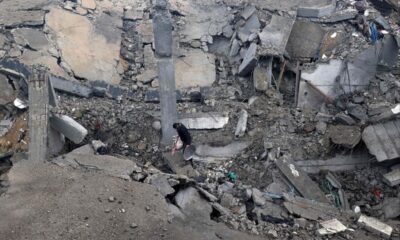
The warning adds to growing diplomatic pressure on Israel over conditions in Gaza, where months of conflict have left large parts of the territory heavily damaged. International agencies have repeatedly said that humanitarian access is limited and that aid delivery depends heavily on the presence of experienced international organisations working alongside local partners.
Israel has not indicated whether it is willing to amend the registration rules or delay implementation. Officials said organisations that meet the requirements may reapply, though aid groups argue the timeline and conditions make compliance difficult.
Humanitarian analysts say the suspension of dozens of aid groups could create immediate gaps in services, particularly in healthcare and shelter provision. Smaller local organisations may struggle to absorb the additional burden, while international agencies bring expertise, funding and logistical capacity that is hard to replace.
As the January deadline approaches, diplomatic efforts are expected to intensify. For now, aid organisations are preparing contingency plans while warning that reduced humanitarian presence could worsen conditions for civilians already facing severe hardship.