
Business
iRobot seeks bankruptcy protection amid mounting global pressures

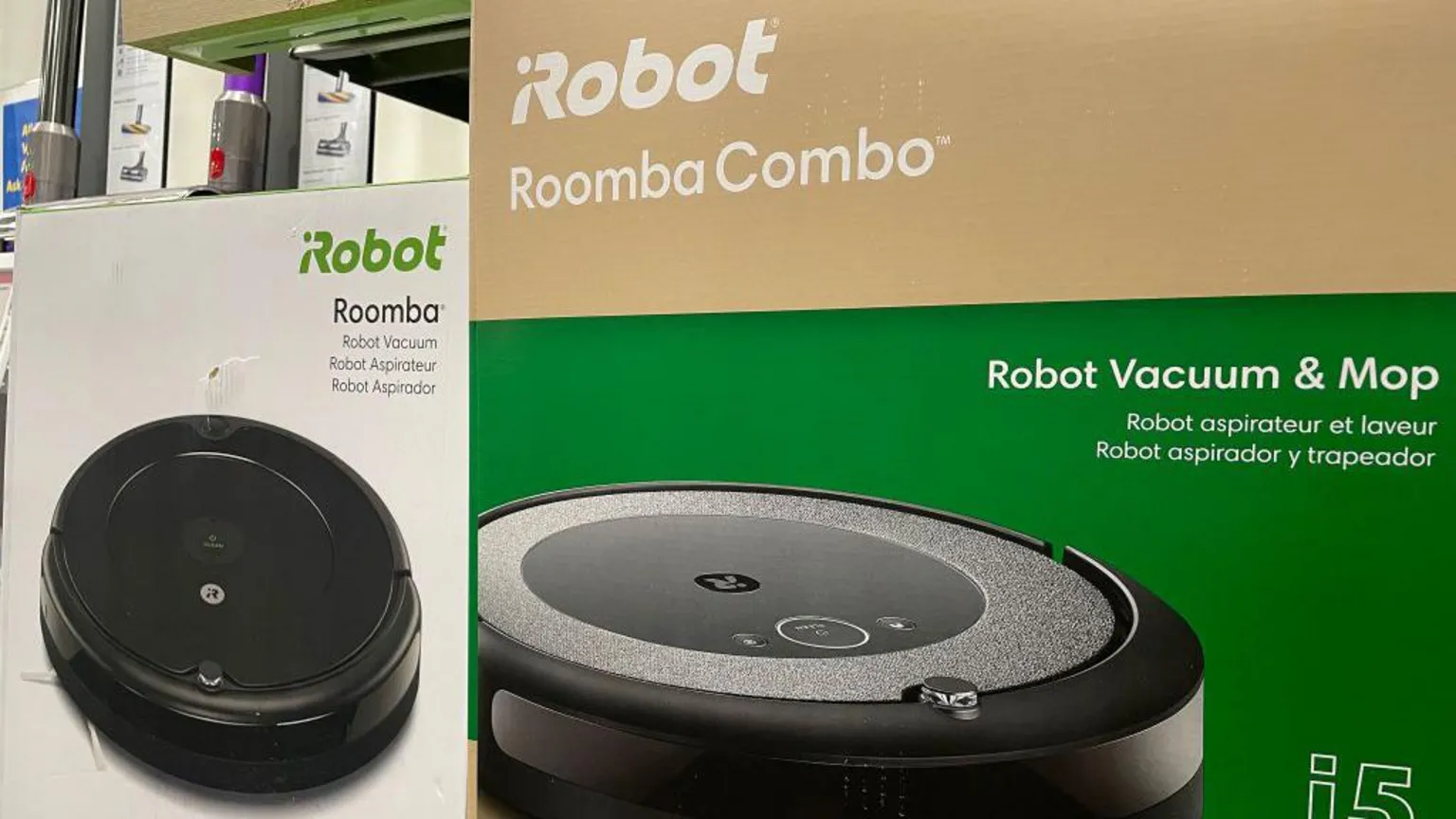
iRobot, the US technology company best known for its Roomba robotic vacuum cleaners, has filed for bankruptcy protection as it struggles with rising costs, intense competition, and shifting global trade conditions. The company entered a pre packaged Chapter Eleven process, a move designed to restructure its finances while keeping operations running. As part of this arrangement, ownership of iRobot will transfer to its primary manufacturing partner, Shenzhen based Picea Robotics.
Competition reshapes the smart appliance market
The robotic vacuum cleaner market has changed dramatically over the past decade. While iRobot once enjoyed a dominant position, it now faces strong competition from Chinese manufacturers offering lower priced devices with increasingly sophisticated features. This pressure forced iRobot to reduce prices while simultaneously investing heavily in new technologies to stay competitive. These twin demands squeezed margins and made profitability harder to achieve in an already crowded consumer electronics space.
Tariffs add to rising operational costs
Trade policy has played a significant role in iRobot’s financial difficulties. Although the company is American, most of its devices for the US market are manufactured in Vietnam. Import duties of forty six percent imposed on goods from Vietnam increased iRobot’s costs by an estimated twenty three million dollars this year alone. These tariffs, introduced under policies championed by former US President Donald Trump, were intended to protect domestic manufacturing but have added pressure to companies dependent on global supply chains.
From pandemic boom to steep valuation drop
iRobot’s challenges stand in sharp contrast to its recent past success. During the pandemic, demand for home automation products surged as people spent more time indoors. In two thousand twenty one, the company was valued at three point five six billion dollars. Today, that valuation has fallen to around one hundred forty million dollars. Investor confidence reflected this decline when iRobot’s shares dropped more than thirteen percent on the Nasdaq shortly before the bankruptcy filing.
Assurance to customers and partners
Despite the financial restructuring, iRobot has emphasized that customers should not expect disruptions. The company stated that its mobile app, supply chains, and product support services are expected to continue operating normally throughout the bankruptcy process. This reassurance is aimed at maintaining trust among existing users and retail partners while the company reorganizes under new ownership.
A legacy rooted in innovation
Founded in nineteen ninety by three members of the Massachusetts Institute of Technology Artificial Intelligence Lab, iRobot began as a research driven company focused on defense and space technology. The launch of the Roomba in two thousand two marked a turning point, bringing robotics into everyday homes. Today, Roomba devices account for about forty two percent of the US robotic vacuum cleaner market and sixty five percent of the Japanese market, highlighting the brand’s lasting influence.
Missed acquisition and future uncertainty
Last year, iRobot’s proposed one point seven billion dollar acquisition by Amazon collapsed after the European Union competition watchdog raised concerns. That failed deal removed a potential lifeline at a critical moment. Now under Picea Robotics, a company with research and production facilities in China and Vietnam and more than seven thousand employees globally, iRobot’s future will depend on how effectively it can adapt to a rapidly evolving market while preserving its innovative identity.



