Latest News
India Bangladesh Relations Slide Deeper Into Crisis as Violence Triggers Cross Border Protests

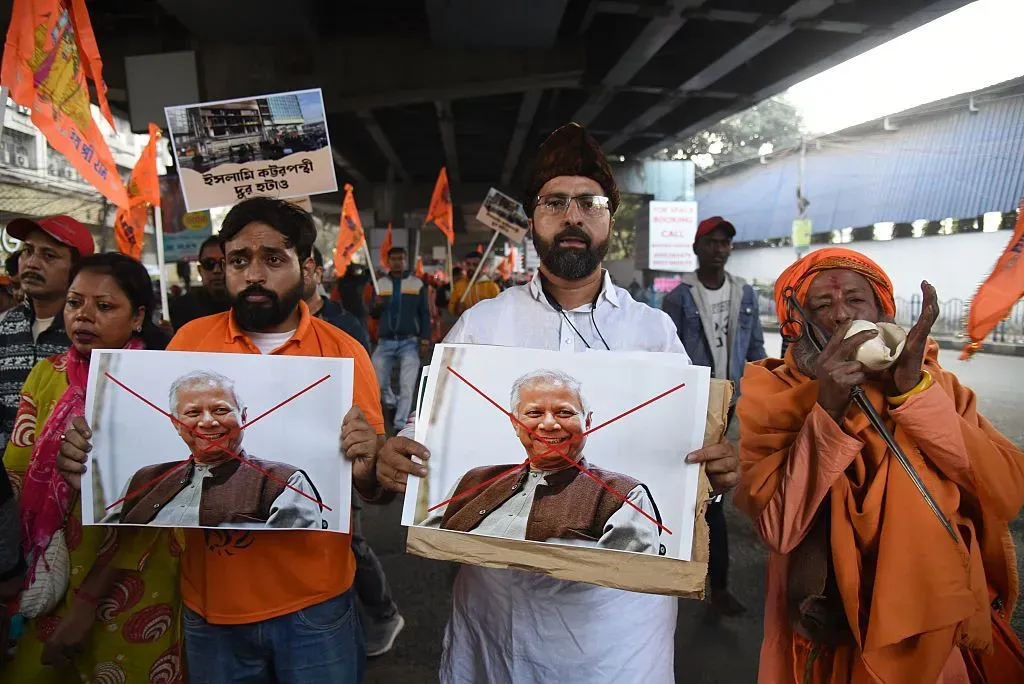
Relations between India and Bangladesh have entered a dangerous new phase after violent protests and killings sparked anger on both sides of the border, raising fears that one of South Asia’s most stable diplomatic relationships is beginning to fracture.
Tensions intensified following the killing of Dipu Chandra Das, a 27 year old Hindu garment worker in northern Bangladesh, who was accused of blasphemy and beaten to death by a mob. The incident triggered protests in India, particularly among Hindu nationalist groups, who accused Bangladeshi authorities of failing to protect minority communities.
The situation escalated further after violent demonstrations broke out in Dhaka over the killing of student leader Sharif Osman Hadi. Supporters of Hadi alleged that a suspect linked to the Awami League, the party of former prime minister Sheikh Hasina, had fled to India. While Bangladeshi police said there was no confirmation the suspect had left the country, the claim fuelled anti India sentiment across Bangladesh.
In Kolkata, protesters burned posters of Muhammad Yunus, chief adviser of Bangladesh’s interim government, outside the Bangladeshi diplomatic mission. The demonstrations reflected growing public anger in India, where political leaders and activists have called for a tougher stance toward Dhaka.
Diplomatic strains have also begun to affect everyday ties. Visa services between the two countries have been suspended in several locations, disrupting travel, trade, and people to people exchanges that have long underpinned the relationship.
For years, India and Bangladesh were seen as close partners, cooperating on security, trade, and regional stability. Now, mutual accusations of interference and failure to contain unrest are eroding trust. Analysts warn that unless both governments act quickly to de escalate tensions and protect minority communities, the crisis could deepen, with lasting consequences for regional stability in South Asia.