
Politics
Immigration Policies and Their Political Impact on London

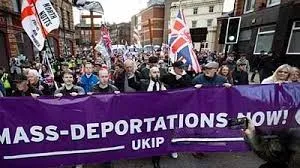
Shaping London’s Workforce and Demographics
Immigration policies have long played a crucial role in shaping London’s workforce, economy, and cultural diversity. Recent policy changes in the post-Brexit era aim to manage migration flows while addressing labor shortages in critical sectors. Analysts note that London’s approach balances economic needs, social integration, and political considerations.
Economic Implications of Immigration Policy
Immigration directly affects London’s labor market, particularly in healthcare, technology, and hospitality. Policies that attract skilled professionals help fill critical gaps and support economic growth. Analysts highlight that streamlined visa processes and talent-based immigration frameworks are vital for sustaining the city’s global competitiveness.
Social Integration and Community Development
Policies also focus on integrating immigrants into local communities. Language programs, education access, and employment support initiatives help newcomers contribute effectively to society. Analysts emphasize that successful integration fosters social cohesion, reduces disparities, and strengthens London’s multicultural identity.
Political Debates and Policy Challenges
Immigration remains a politically sensitive issue, with debates over border control, refugee policies, and skilled migration. Analysts point out that balancing public sentiment, economic priorities, and international obligations is a continuous challenge for London policymakers. Political decisions in this domain have far-reaching implications for public trust and electoral outcomes.
Impact on Housing and Urban Planning
Immigration policies influence housing demand and urban development. Increased population growth requires strategic planning for affordable housing, infrastructure, and public services. Analysts stress that aligning immigration policy with urban planning is essential to prevent congestion, housing shortages, and social tensions.
Global Mobility and Talent Attraction
London’s policies also aim to attract global talent, entrepreneurs, and investors. International students, skilled workers, and high-net-worth individuals contribute to economic vitality and innovation. Analysts note that competitive immigration policies reinforce London’s reputation as a dynamic, open, and economically vibrant city.
Challenges and Future Directions
Challenges include managing irregular migration, ensuring policy compliance, and addressing public concerns about social services and employment competition. Analysts highlight that data-driven policymaking, transparent processes, and international collaboration are key to effective immigration management.
Conclusion
London’s immigration policies play a critical role in shaping the city’s economy, workforce, and social fabric. By balancing economic needs, social integration, and political considerations, the city is striving to maintain its status as a diverse, globally connected, and economically robust metropolis.



