Business
How a British Plush Toy Brand Quietly Won Over China

A personal moment that reflects a wider trend
When Stella Huang lost her job during the pandemic, she did not expect a soft toy to become a source of comfort. Yet that was exactly what happened when she encountered a Jellycat plush online. Introduced to the British brand by a school friend, Huang only truly connected with it after seeing a gingerbread house plush shared on RedNote, a Chinese social media platform known for shaping lifestyle trends. What began as a small personal purchase soon reflected a much larger consumer movement taking place across China.
Huang’s experience mirrors that of many young Chinese consumers who turned to emotionally resonant products during uncertain times. Jellycat’s appeal lies not in nostalgia alone, but in its ability to blend gentle humor, distinctive design and emotional warmth.
Why Jellycat stands out in the Chinese market
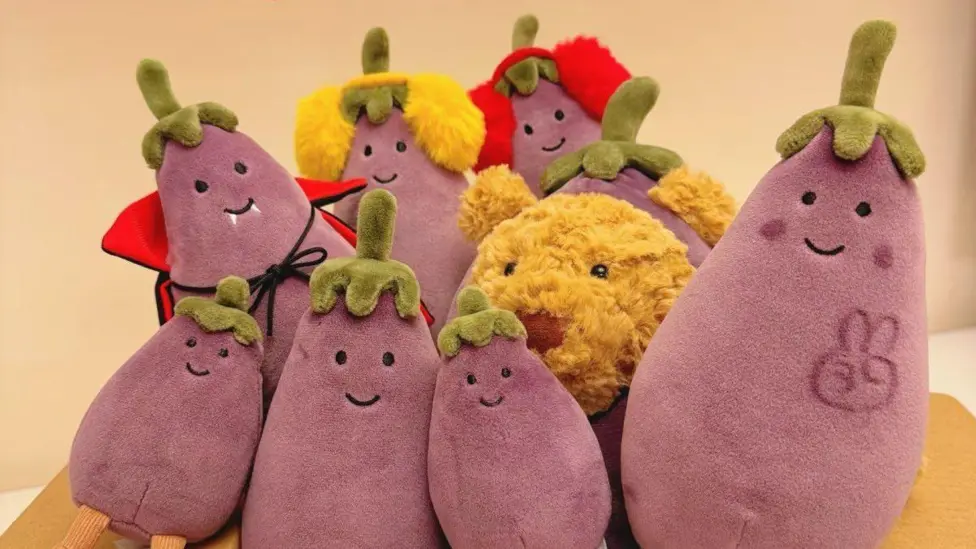
Jellycat was founded in the UK and built its reputation on quirky, softly styled plush toys that appeal to both children and adults. Unlike traditional stuffed animals, Jellycat products often feature playful expressions and unexpected designs such as food items, plants and household objects.
In China, where gifting culture is deeply rooted, these plush toys have found a unique niche. They are often purchased not just for children but for friends, partners and even colleagues. The designs feel lighthearted without being childish, making them suitable for a wide range of social contexts.
The power of social media discovery
A major driver of Jellycat’s success in China has been social media. Platforms like RedNote have become central to how Chinese consumers discover brands. Unlike traditional advertising, RedNote relies heavily on peer recommendations, personal stories and visual appeal.
Users frequently post photos of Jellycat toys styled in everyday settings, from desks to coffee shops. These posts frame the plush toys as companions rather than products. For consumers like Huang, seeing the gingerbread house plush sparked an emotional response tied to comfort and aesthetics rather than seasonal tradition.
Cultural adaptation without losing identity
Christmas has limited cultural significance in China and is largely viewed as a commercial event. Jellycat’s gingerbread house plush succeeded not because it symbolized the holiday, but because it evoked warmth and familiarity through design. This highlights the brand’s ability to transcend cultural boundaries without aggressive localization.
Rather than altering its identity to fit the Chinese market, Jellycat has allowed consumers to reinterpret its products in their own way. The toys are often associated with self care, stress relief and emotional expression, values that resonate strongly with younger urban consumers.
From niche import to mainstream favorite
Over time, Jellycat has moved from being a niche imported brand to a mainstream favorite among Chinese consumers. Demand has grown through word of mouth, online sharing and limited availability that enhances desirability. Some popular designs sell out quickly, further boosting the brand’s appeal.
Retailers have also adapted by highlighting Jellycat products in lifestyle focused stores rather than traditional toy sections. This positioning reinforces the idea that these plush toys are part of a broader lifestyle choice.
What Jellycat’s rise says about Chinese consumers
Jellycat’s success in China reflects a shift in consumer priorities. Emotional value, design authenticity and personal connection increasingly matter as much as price or practicality. For many buyers, a Jellycat plush represents comfort, optimism and small moments of joy.
As Chinese consumers continue to seek products that offer emotional resonance, Jellycat’s journey offers a clear lesson. Sometimes, winning a market does not require loud marketing or radical reinvention. It requires understanding how people feel and giving them something soft to hold onto.