Tech
How a 2000s online game made an unexpected comeback

A classic game that never truly disappeared
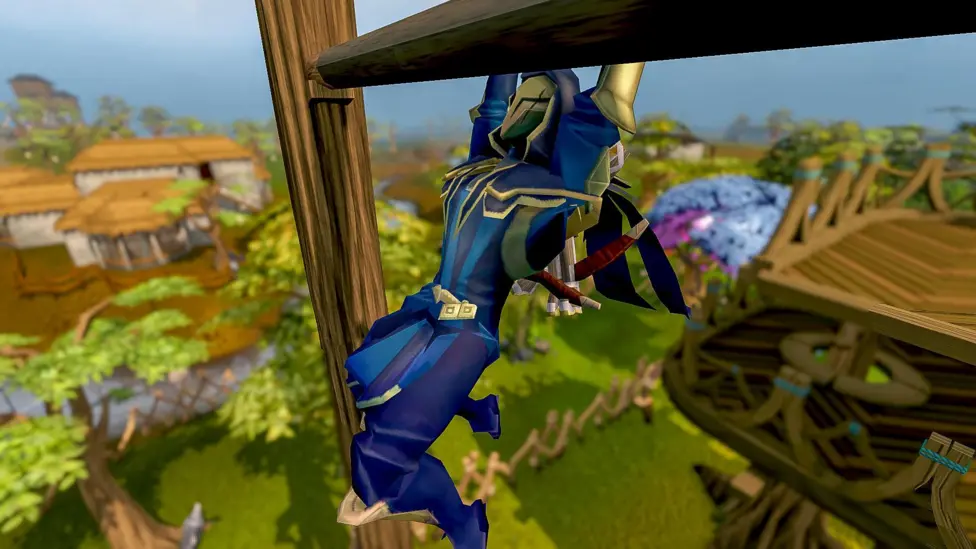
For many players, RuneScape is inseparable from memories of early internet culture, late night gaming sessions, and friendships formed through pixelated avatars. First launched in 2001, the online role playing game built its reputation on simple graphics, deep progression systems, and the freedom to explore a shared fantasy world at your own pace. While many assumed its popularity peaked decades ago, recent figures suggest the game has entered a new phase of growth rather than fading into nostalgia.
In 2025, RuneScape recorded a surge in activity that surprised even long time fans. The number of paying members rose by around 30 percent compared to the start of the year, pushing subscriptions to well over one million. Millions more continue to play for free, reinforcing the game’s position as one of the most enduring online worlds ever created.
Nostalgia meets modern gaming habits
One of the main drivers behind RuneScape’s renewed popularity is nostalgia. Players who grew up with the game are now returning as adults, drawn by memories of a simpler era of gaming. For many, revisiting RuneScape offers a sense of comfort and familiarity in contrast to the complexity and intensity of modern multiplayer titles.
At the same time, the game has proven surprisingly compatible with today’s gaming habits. Unlike many contemporary releases that demand constant attention and fast reactions, RuneScape allows for slower, more flexible play. This makes it appealing to players balancing work, study, and other responsibilities, who can progress at their own pace without feeling left behind.
Community and shared experience
RuneScape’s success has always been rooted in its community. Quests, trading, and social interaction remain central to the experience, encouraging cooperation rather than competition alone. In an era when many online spaces feel fragmented or hostile, RuneScape offers a relatively welcoming environment where long term relationships can form.
This sense of shared history has been reinforced by record breaking activity. In 2025, the game reached a historic milestone when around 240,000 players logged in at the same time, the highest number of simultaneous users in its 25 year history. For veterans, this was a powerful reminder that the world they once explored as teenagers is still alive and thriving.
How updates kept the game relevant
Behind the scenes, consistent development has played a crucial role in sustaining interest. Developer Jagex has continued to release new quests, skills, and quality of life improvements while preserving the core mechanics that define the game. This careful balance has allowed RuneScape to evolve without alienating its loyal base.
The company has also embraced multiple versions of the game, catering to players who prefer the classic experience as well as those who enjoy more modern updates. This flexibility has broadened RuneScape’s appeal across different age groups and play styles.
A contrast to modern gaming trends
RuneScape’s resurgence also reflects fatigue with certain modern gaming trends. Aggressive monetisation, seasonal pressure, and constant updates can make newer games feel like obligations rather than hobbies. RuneScape, by comparison, offers a sense of permanence. Progress is rarely invalidated, and time invested continues to matter years later.
For some players, this long term continuity is the game’s greatest strength. It provides a feeling of belonging to a world that grows slowly rather than resetting every few months.
Why RuneScape still matters
The renewed popularity of RuneScape shows that good game design can transcend generations. By combining nostalgia, community, and thoughtful updates, it has avoided becoming a relic of the past. Instead, it stands as proof that older games can still thrive in a fast changing industry, offering lessons about longevity that many modern titles struggle to match.