
Tech
Home Blood Test Breakthrough Could Transform Early Detection of Alzheimer’s

A new approach to early diagnosis
Scientists say a new at home blood test could mark a breakthrough in the early detection of Alzheimer’s disease, potentially allowing far more people to identify warning signs before symptoms become severe. The test uses a self sampling method that can be completed at home, with a small dried blood sample sent by post to a laboratory for analysis. Researchers believe this approach could remove many of the barriers that currently prevent timely diagnosis.
Why early detection matters
Alzheimer’s is a progressive neurological condition that develops gradually, often years before noticeable memory loss or confusion appears. By the time symptoms significantly affect daily life, damage to the brain is usually extensive. Early detection allows patients and families to plan ahead, access support sooner, and potentially benefit from treatments that work best in the earlier stages of the disease. Scientists argue that improving access to testing is one of the most important steps in addressing the growing impact of dementia.
How the home blood test works
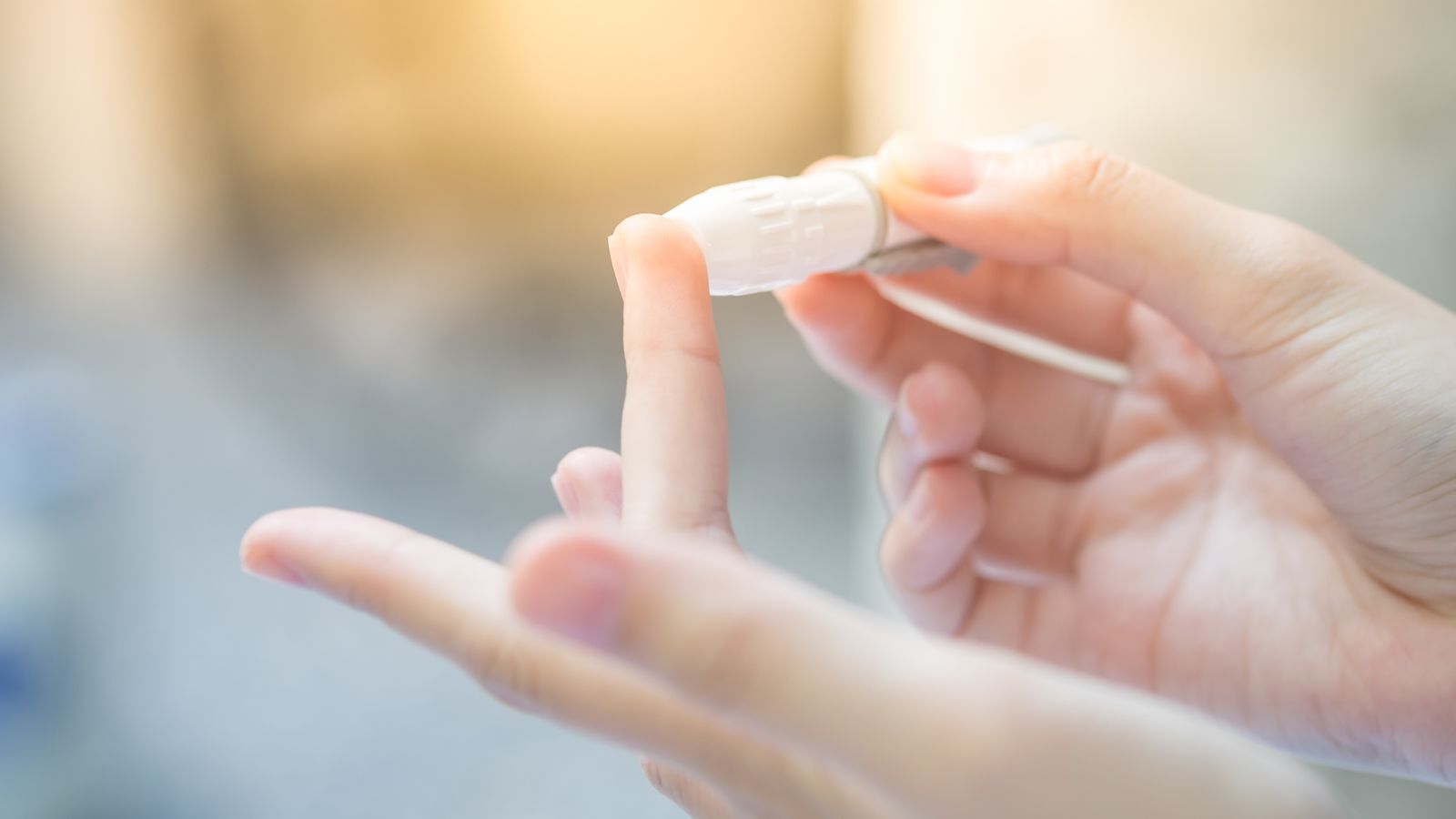
The new method relies on a simple finger prick performed by the individual at home. A small amount of blood is placed onto a special card and left to dry. The sample is then mailed to a laboratory, where it is analyzed for biological markers linked to Alzheimer’s. These markers are associated with changes in the brain that occur long before symptoms become obvious. Researchers say the accuracy of the test is promising when compared with existing laboratory based blood tests.
Making testing more accessible
Traditional diagnostic pathways for Alzheimer’s often involve referrals, hospital visits, and expensive imaging scans. These steps can be time consuming and intimidating, particularly for older people or those living far from specialist centers. An at home blood test could make initial screening far more accessible, especially for people who are hesitant to seek medical help or who face mobility and transport challenges. Scientists say wider access could lead to more conversations with doctors at an earlier stage.
What the test can and cannot do
Researchers stress that the test is not designed to provide a definitive diagnosis on its own. Instead, it acts as an early indicator that someone may be at higher risk and should seek further medical assessment. A positive result would typically be followed by clinical evaluation, cognitive testing, and potentially brain imaging. Experts caution that results must be interpreted carefully to avoid unnecessary anxiety, particularly since not everyone with biological markers will go on to develop dementia.
Implications for healthcare systems
If adopted widely, the test could have significant implications for healthcare systems such as the NHS. Earlier identification of at risk patients could improve planning and resource allocation, but it could also increase demand for follow up services. Health authorities would need clear guidelines on how results are communicated and how patients are supported after testing. Ensuring equity of access would also be essential to prevent widening health inequalities.
Ethical and emotional considerations
While increased access to testing has clear benefits, it also raises ethical questions. Knowing one’s risk of Alzheimer’s can be emotionally challenging, particularly in the absence of a cure. Scientists emphasize the importance of counseling and support alongside testing, so individuals understand what the results mean and what steps they can take next. Informed choice, they argue, should remain central to any rollout.
A step toward earlier intervention
Researchers describe the home blood test as a major step forward rather than a final solution. Combined with advances in treatment and support, it could shift Alzheimer’s care toward earlier intervention and prevention. As populations age and dementia rates rise, scientists believe innovations like this will be essential in helping individuals, families, and healthcare systems prepare for the future.



