News
Hasina’s War Crimes Conviction Puts India–Bangladesh Relations Under Tremendous Strain

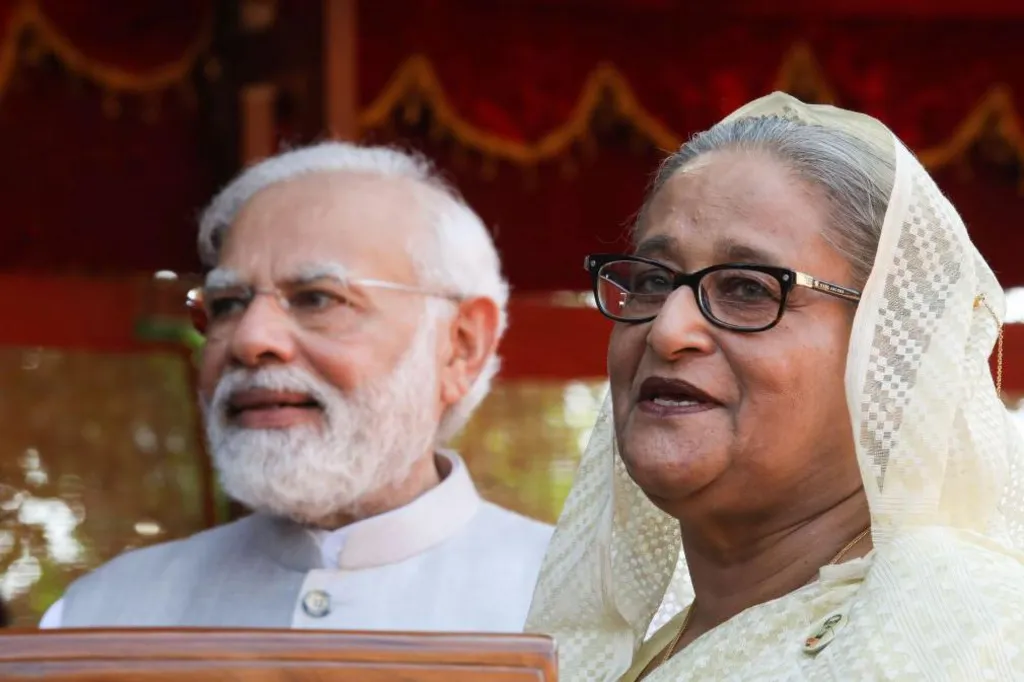
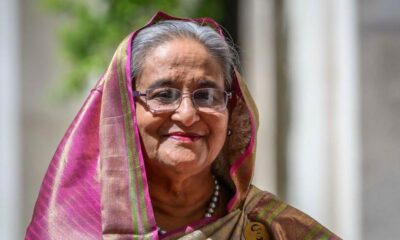
Few international partnerships have mattered as much to India in recent decades as its close relationship with former Bangladeshi leader Sheikh Hasina. For fifteen years, she offered Delhi what it values most in its neighborhood: political stability, regional connectivity and a government that aligned more closely with India than with China. But the bond is now under its biggest test yet.
Hasina, who fled to India last year after student-led protests toppled her government, has since been sentenced to death by a special tribunal in Dhaka for crimes against humanity linked to her crackdown on demonstrators. Nobel laureate Muhammad Yunus now heads an interim administration, and new elections are expected early next year.
Her conviction has created an awkward diplomatic crisis. Bangladesh wants her extradited, but India shows no sign of complying, effectively rendering the sentence unenforceable. What Delhi viewed as a humanitarian refuge is quickly becoming a long and uncomfortable dilemma about how far India is prepared to go for an old ally.
South Asia specialist Michael Kugelman says India’s choices are politically unattractive. Handing Hasina over is unthinkable for Delhi. Keeping her in India indefinitely could strain ties once a new government takes power in Dhaka. Silencing her is unrealistic as she continues to lead the Awami League in exile. Finding a third country willing to host her is equally difficult, given her legal troubles and security risks.
India’s discomfort is intensified by the deeply asymmetric nature of the India–Bangladesh relationship. Bangladesh’s creation in 1971 is rooted in India’s support, and the two economies remain heavily intertwined. Bangladesh is India’s largest trading partner in South Asia, and India is Bangladesh’s biggest export market in Asia. Billions of dollars in concessional credit, energy supplies, duty-free access and major connectivity projects form the backbone of their cooperation.
But Bangladesh’s interim government is signaling a sharp foreign policy pivot. Analysts say Dhaka under Yunus is moving to “de-Indianise” its diplomacy. Judicial exchanges have been halted, energy agreements are being reviewed, India-backed infrastructure projects have slowed, and Dhaka is engaging more openly with Beijing, Islamabad and Ankara. The shift coincides with a dramatic surge in pro-China sentiment among Bangladeshis, many of whom blame Delhi for supporting Hasina even as her rule became increasingly authoritarian.
History suggests economic ties may endure despite political friction, but India’s deeper concern is security. The two countries share a long and porous border, and instability in Bangladesh could spill over into India’s north-eastern states. Analysts say Delhi must now engage quietly with Bangladesh’s political and military stakeholders to keep the relationship from deteriorating further.
Experts warn that the coming year will be turbulent. Much will depend on how Bangladesh’s elections unfold and whether the next government reopens diplomatic space with India or allows anti-India sentiment to dominate policymaking.
Ultimately, India must balance loyalty to a longtime ally with long-term strategic interests in a crucial neighboring country. Whether both nations can weather the current storm will depend largely on political choices yet to be made.