Politics
Government waters down inheritance tax plan for farms

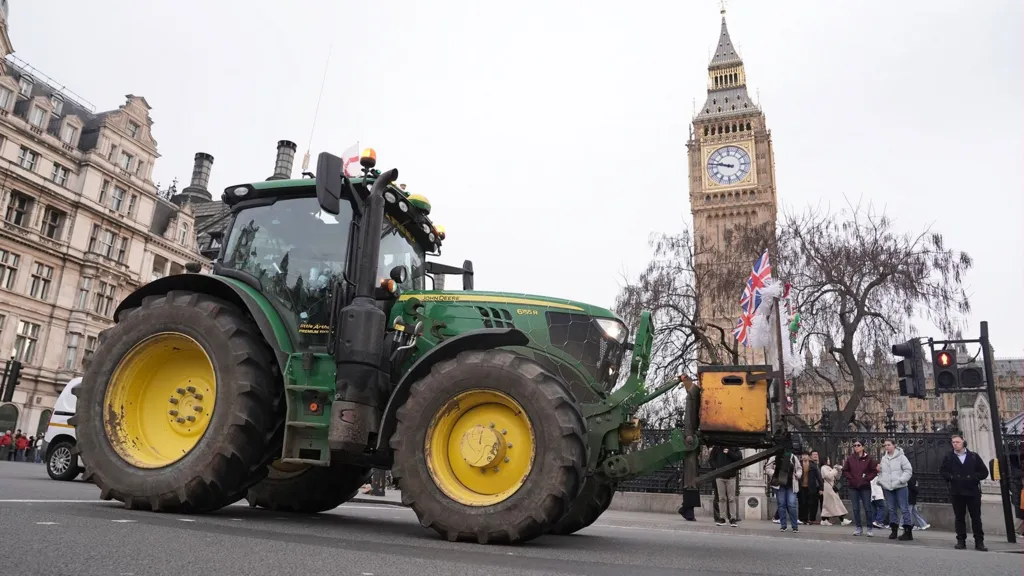
Threshold increase follows sustained pressure from farmers
The government has softened its plans to tax inherited farmland, raising the proposed threshold from one million pounds to two point five million pounds. The change represents a significant shift from earlier proposals and comes after months of protests by farmers alongside growing concern within the governing party.
Under the original plan announced at last year’s Budget, ministers said a twenty percent inheritance tax would apply to agricultural assets valued above one million pounds from April 2026. This would have marked the end of full inheritance tax relief for farmland, a policy that has been in place since the 1980s and long viewed by farmers as essential for preserving family owned holdings.
The revised threshold means fewer farms will fall into the tax net, particularly smaller and mid sized family operations that argued they would struggle to absorb such costs without selling land.
Why the original proposal caused backlash
The initial announcement triggered a strong reaction across rural communities. Many farmers warned that the policy risked forcing families to sell land that had been passed down through generations. Agricultural groups said that while farmland values have risen sharply on paper, cash flow on working farms often remains tight.
Protests took place across the country, with farmers arguing that the proposed threshold did not reflect the realities of modern agriculture. Concerns were also raised about food security and the long term sustainability of domestic farming if ownership became increasingly fragmented.
Inside Parliament, some Labour backbenchers voiced unease, particularly those representing rural and semi rural constituencies. They warned that the policy could alienate farming communities and undermine trust at a time when the sector is already facing pressure from rising costs and changing subsidy arrangements.
The revised plan and what it changes
By lifting the threshold to two point five million pounds, the government has significantly reduced the number of estates that will be affected by the new tax. While large agricultural estates may still face inheritance charges, ministers say the updated proposal is designed to protect ordinary family farms.
The tax rate itself remains unchanged at twenty percent on the value above the threshold. However, the higher limit is expected to shield many farms that would otherwise have been caught under the original plan.
The timing of the announcement drew attention, as it was released after MPs had left Parliament for the Christmas recess. Critics suggested this reduced immediate scrutiny, though ministers insisted the change reflected genuine engagement with stakeholders.
Government says it listened to farmers
In a statement accompanying the announcement, Environment Secretary Emma Reynolds said the government had responded directly to concerns raised by the farming community. She said ministers had listened closely to farmers across the country and were making changes to protect more family run farms.
The government has framed the revision as a balance between fairness in the tax system and the need to support agriculture. Officials argue that very large landholdings should still contribute more, while smaller farms should not be penalized simply for holding valuable assets.
Reaction from the farming sector
Initial responses from farming groups have been mixed. Some welcomed the higher threshold as a meaningful improvement, saying it shows that sustained pressure can influence policy. Others remain cautious, warning that even the revised plan could still create uncertainty for future generations.
Farmers have also called for clearer guidance on how land will be valued and how the tax will be administered. Many argue that complexity and unpredictability in the system could still discourage long term investment in farming businesses.
Political implications for Labour
The climbdown highlights the political sensitivity of agricultural policy. Rural voters have historically been wary of changes perceived as threatening traditional ways of life, and inheritance tax remains a particularly emotive issue.
By adjusting the plan, Labour appears to be seeking to avoid prolonged conflict with farmers while maintaining its broader commitment to tax reform. The episode also underscores the influence of backbench pressure in shaping policy outcomes.
What happens next
The revised inheritance tax plan is expected to be implemented from April 2026 as scheduled, but further details will be closely watched. Consultations on valuation methods and exemptions are likely to continue, and farming groups have signaled they will remain engaged.
For now, the higher threshold offers reassurance to many farming families concerned about the future of their land. The debate, however, has highlighted deeper questions about how agricultural assets are taxed and how policy can adapt to the changing realities of rural Britain.