
Sports
Gordon McQueen believed football heading contributed to his dementia, inquest hears

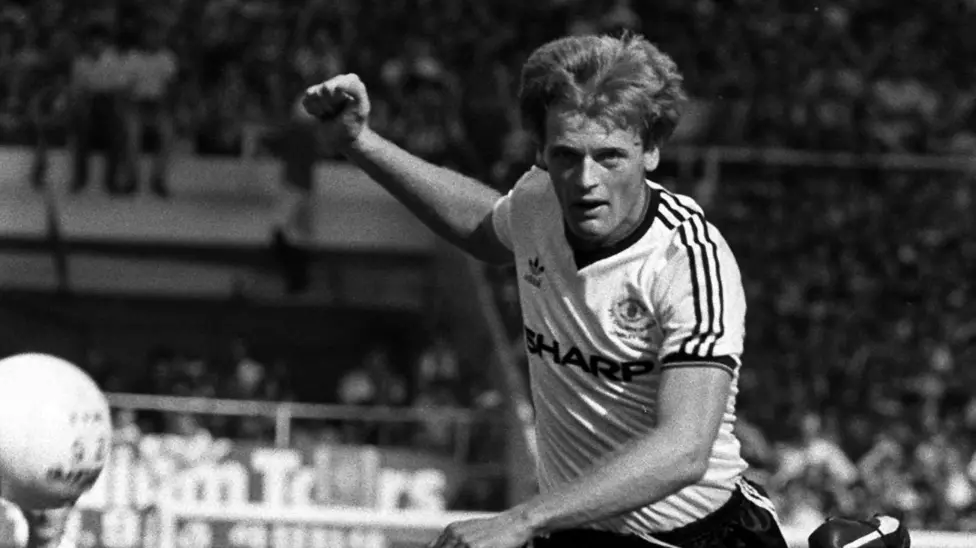
Former Scotland and Manchester United defender Gordon McQueen believed that years of heading a football may have contributed to the dementia that later defined the final chapter of his life, according to evidence given by his daughter. An inquest into McQueen’s death opened this week in North Yorkshire, offering a deeply personal account that has reignited debate about the long term neurological risks faced by professional footballers.
McQueen, who was diagnosed with vascular dementia, died in 2023 at the age of 70. Speaking at the coroner’s court, his daughter Hayley McQueen, a broadcaster and former footballer herself, described conversations with her father in which he openly linked his condition to repeated heading during his playing career. She recalled him saying that heading a ball for so many years probably had not helped his health.
Memories of early warning signs
Hayley McQueen told the court that even during her childhood, there were signs that something was not right. She remembered coming home from school to find her father lying down, complaining of frequent headaches and fatigue. At the time, those moments did not carry the weight they do now, but in hindsight they have taken on new meaning.
As a child, she questioned why someone so physically strong and successful in sport would suffer from such persistent headaches. Those memories, she said, stayed with her as his condition worsened later in life. Her testimony painted a picture not only of a celebrated athlete, but of a father whose health quietly deteriorated long before a formal diagnosis was made.
A distinguished football career
McQueen enjoyed a long and successful career at the highest levels of British football. Playing as a centre back, he was known for his physical presence and aerial strength, qualities that were highly valued during the era in which he played. Between 1970 and 1985, he made nearly 350 appearances for clubs including St Mirren, Leeds United, and Manchester United.
He was also a regular figure for the Scotland national team, competing at a time when heading the ball was an integral part of defensive play. Training routines and match tactics often involved repeated headers, with little understanding of the potential long term consequences for brain health.
Football and the dementia debate
McQueen’s case sits within a wider and increasingly urgent discussion about the link between football and neurodegenerative disease. Over recent years, growing evidence has suggested that repeated head impacts, including routine heading, may increase the risk of conditions such as dementia.
Football authorities have begun to introduce changes, including limits on heading in youth training and greater awareness of concussion. However, many former players argue that these measures have come too late for their generation. Families of affected players continue to seek answers, accountability, and improved support.
Emotional weight of the inquest
For McQueen’s family, the inquest is about more than medical findings. It represents an opportunity to ensure his experiences contribute to a better understanding of player welfare. Hayley McQueen’s testimony highlighted the emotional toll of watching a loved one decline and the frustration of not knowing earlier what might have been done differently.
Her account also underscores how symptoms can be overlooked or normalised in sporting culture, particularly among athletes conditioned to play through pain. What once seemed like ordinary headaches are now viewed as possible early indicators of serious neurological harm.
A legacy beyond the pitch
Gordon McQueen is remembered by fans for his strength, commitment, and success on the field. Yet his story now carries a wider significance, serving as a cautionary tale for the sport he loved. As football continues to confront its past practices, cases like McQueen’s add urgency to calls for reform and research.
The inquest is ongoing, but the message from his family is already clear. The human cost of the game’s traditions must be fully understood, so future generations of players are better protected than those who came before.



