News
Gig Workers’ Strike in India Rekindles Debate Over Human Cost of Ultra Fast Deliveries

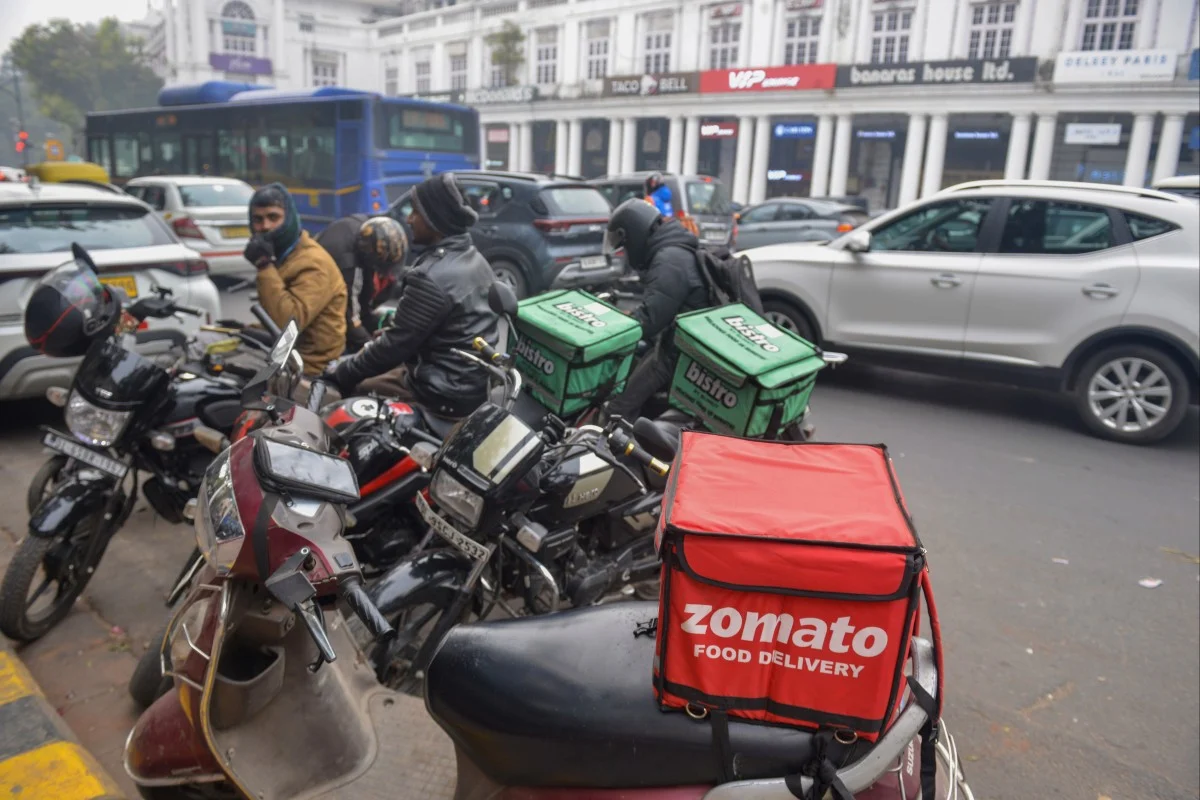
A flash strike by gig workers across India on New Year’s Eve has reignited a national debate over the human cost of the country’s rapidly expanding ultra fast delivery economy. The protests, which took place during one of the busiest delivery periods of the year, highlighted growing concerns about worker safety, exhaustion and the lack of basic labour protections in app based work.
More than 200,000 gig workers staged demonstrations in major cities, according to the Indian Federation of App Based Transport Workers. The workers are part of the vast network that powers India’s booming online commerce sector, including platforms offering 10 minute doorstep deliveries of groceries and everyday essentials. Their actions briefly disrupted services and forced public attention onto working conditions that are often invisible to consumers.
At the heart of the protests were concerns about physical strain and rising accident risks. Workers say intense delivery targets and algorithm driven incentives push them to work long hours at high speed, often navigating congested roads and poor infrastructure. Many reported chronic fatigue, stress and injuries, arguing that the race to deliver faster has prioritised customer convenience over human wellbeing.
India’s gig economy has expanded rapidly in recent years, fuelled by smartphone adoption, venture capital funding and fierce competition among delivery platforms. Speed has become a key selling point, with companies promising near instant fulfilment in dense urban areas. While the model has created flexible earning opportunities for millions, critics say it has also transferred risks from companies to individual workers.
Protesters demanded legislative recognition as workers rather than independent contractors, calling for minimum wages, social security coverage and insurance against accidents. They also urged limits on delivery targets and greater transparency in how algorithms assign orders and calculate pay. Without legal safeguards, workers say they have little recourse when injured or abruptly removed from platforms.
Industry representatives argue that gig work offers flexibility and income opportunities for those who might otherwise struggle to find employment. They point to incentive schemes, insurance coverage and training programmes as evidence of progress. However, labour advocates counter that such measures remain inconsistent and inadequate, especially given the scale and profitability of the sector.
The strike has prompted renewed discussion among policymakers about regulating app based labour. India has taken initial steps through social security codes that recognise gig and platform workers, but implementation has been slow and benefits remain limited. Labour experts say the protests reflect frustration with delays and a gap between policy promises and on the ground realities.
Public reaction to the strike has been mixed. Some consumers expressed sympathy, acknowledging that ultra fast deliveries come at a cost. Others voiced frustration over service disruptions, illustrating the tension between convenience driven demand and ethical concerns about labour practices. Analysts say this divide mirrors a broader global debate over the true price of on demand services.
The New Year’s Eve timing of the strike was symbolic, underscoring how peak demand periods often place the greatest strain on workers. By choosing that moment, gig workers aimed to demonstrate their central role in the digital economy and their collective power when acting together.
As India’s delivery sector continues to grow, the questions raised by the strike are unlikely to fade. Balancing innovation and speed with fairness and safety remains a complex challenge. For now, the protests have forced a reckoning over whether the promise of instant delivery is sustainable without meaningful protections for the people who make it possible.