News
Gabon Government Suspends National Team and Bans Aubameyang After AFCON Exit

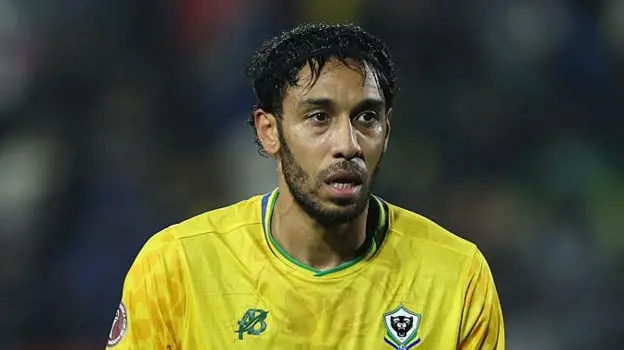
The government of Gabon has taken sweeping action against its national football team following a disappointing exit from the Africa Cup of Nations, announcing the suspension of the squad, the dismissal of the coaching staff and the exclusion of senior players including star striker Pierre-Emerick Aubameyang.
The decision was made public by Sports Minister Simplice Desire Mamboula after Gabon’s 3 2 defeat to Ivory Coast on 31 December, a result that confirmed the team’s elimination from the tournament. The Africa Cup of Nations is being held in Morocco, and Gabon finished bottom of their group after also losing to Cameroon and Mozambique.
Speaking after the final group match, Mamboula described the team’s performances as unacceptable and damaging to the country’s sporting reputation. He said the government had no choice but to act decisively, citing what he called a disgraceful campaign that failed to meet even minimum expectations.
As part of the measures, head coach Thierry Mouyouma has been dismissed along with the rest of the technical staff. The national team has been suspended until further notice, meaning no international matches or official activities will take place while a review is conducted. In addition, Aubameyang and defender Bruno Ecuele Manga have been barred from future selection, a move that has sparked intense debate among fans and analysts.
Aubameyang, Gabon’s most recognisable football figure, has long been seen as the face of the national team due to his successful club career in Europe. His exclusion marks a dramatic shift in the government’s stance and signals a desire to reset the squad by removing senior players associated with repeated tournament failures.
Officials did not provide detailed reasons for singling out individual players, but sources close to the sports ministry say leadership issues, discipline and on field commitment were all taken into consideration. The government believes structural problems within the team have persisted for years and that strong action is needed to restore pride and accountability.
Reaction within Gabon has been mixed. Some supporters welcomed the decision, arguing that poor performances have gone unpunished for too long. Others questioned whether political intervention in football could create further instability and harm player morale. Former players and coaches have also urged caution, warning that suspensions and bans could isolate Gabon from continental football and slow long term development.
The Gabonese football federation has yet to issue a detailed response, though officials are expected to meet with government representatives in the coming days. Any prolonged suspension could affect qualification plans for future regional and international competitions.
Across Africa, the incident has drawn attention as one of the strongest examples of state intervention following a tournament failure. It highlights the pressure placed on national teams where football is closely tied to national identity and public expectation.
For now, Gabonese football enters an uncertain period. Whether these measures lead to meaningful reform or deepen existing problems will depend on how the rebuilding process is managed once the suspension is lifted.