Fashion
From London Runways to Online Returns How UK Fashion Is Being Reshaped

UK fashion is undergoing a structural transformation that stretches far beyond seasonal trends. From the prestige of London runways to the logistics of online returns, the way fashion is designed, sold, and consumed in Britain is changing at speed. What was once a linear journey from catwalk to shop floor has become a complex digital ecosystem driven by data, convenience, and shifting consumer expectations.
London Runways Still Set the Tone
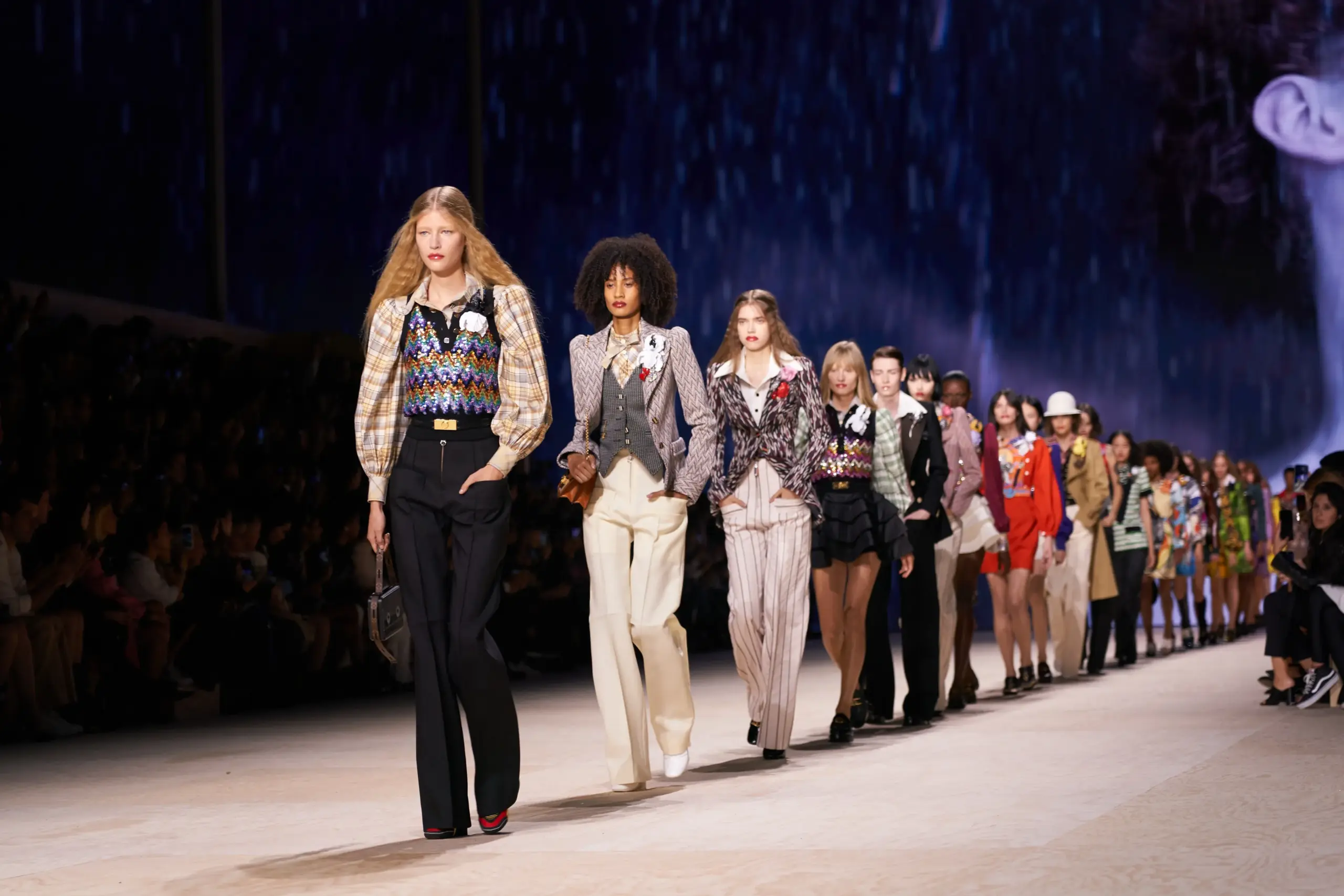
London remains a critical creative hub for global fashion. Designers continue to use runway shows to define aesthetics, signal innovation, and shape brand identity. However, the audience for these shows has expanded far beyond buyers and editors. Today, collections are designed with social media, livestreams, and instant online visibility in mind.
Designers now consider how garments will perform on screens as much as how they look in person. Bold silhouettes, adaptable styling, and storytelling have become essential as runway moments are quickly translated into digital content consumed worldwide within minutes.
The Rise of Digital First Fashion Consumption
While runways create aspiration, most purchasing decisions now happen online. UK consumers increasingly interact with fashion through apps, websites, and social platforms. This shift has altered how brands release collections, manage inventory, and price products.
Digital first launches allow brands to test demand, adjust supply, and respond to feedback in real time. Limited drops, pre orders, and influencer collaborations have become common strategies to reduce risk and create urgency without relying on traditional retail cycles.
Returns Are Reshaping the Business Model
One of the most disruptive elements of online fashion is the return culture. UK shoppers have embraced free and flexible returns as a basic expectation. While this convenience benefits consumers, it presents serious challenges for brands.
High return rates increase operational costs, create waste, and complicate forecasting. Many items returned online cannot be resold at full price, forcing brands to absorb losses or discount heavily. As a result, returns are no longer just a logistics issue but a central business concern shaping pricing and product design.
Data Now Drives Design Decisions
Fashion in the UK is becoming increasingly data driven. Brands analyze browsing behaviour, return reasons, and customer reviews to refine fit, fabric, and sizing. This feedback loop influences everything from pattern cutting to colour selection.
Rather than relying solely on creative instinct, designers now work alongside data teams. This collaboration allows brands to reduce unsold stock and improve customer satisfaction, but it also raises questions about whether creativity risks being constrained by algorithms.
Sustainability Pressures Across the Pipeline
The expansion of online fashion has intensified sustainability challenges. Increased packaging, transport emissions, and returned goods contribute to environmental impact. At the same time, UK consumers are more aware of these issues and increasingly demand transparency.
Brands are responding by experimenting with virtual try ons, improved sizing tools, and clearer product information to reduce unnecessary returns. Some are also rethinking production volumes and exploring resale or rental models as part of a more circular approach.
The Blurring of Physical and Digital Retail
Despite the dominance of online shopping, physical retail has not disappeared. Instead, it is being redefined. UK fashion stores are evolving into showrooms, collection points, and brand experience spaces rather than primary sales channels.
This hybrid model allows customers to interact with products physically while completing purchases digitally. It also supports omnichannel strategies where returns, exchanges, and customer service flow seamlessly across platforms.
A New Fashion Landscape Emerging
The journey from London runways to online returns illustrates how deeply UK fashion has changed. Success now depends on agility, technological integration, and an understanding of modern consumer behaviour.
Fashion in Britain is no longer just about design excellence. It is about managing complexity across creativity, commerce, and sustainability. Brands that adapt to this reality will define the next chapter of UK fashion, while those that cling to old models risk being left behind.