
Latest News
Forty Years On: Remembering a Life Lost and a Case That Still Haunts Liverpool

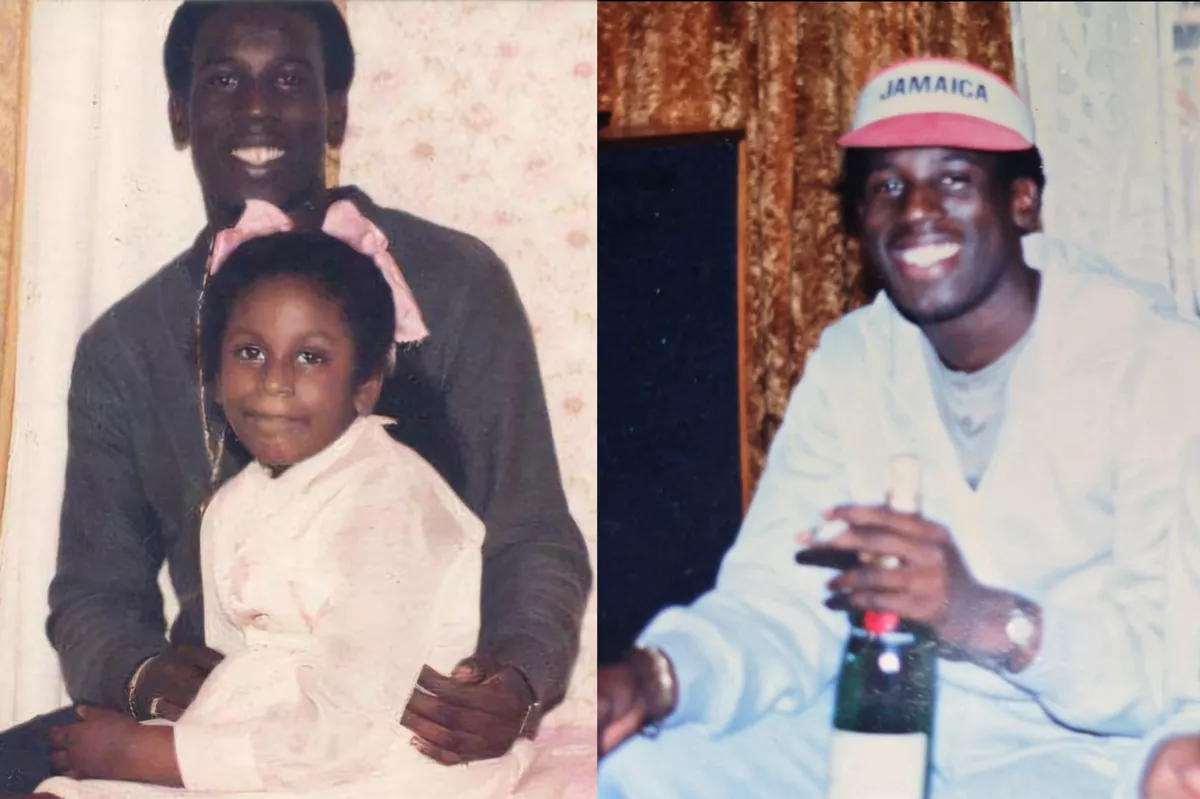
As I revisited reports from the summer of 1985, one detail kept returning to me: how quickly a celebration turned into tragedy. The death of 22-year-old Jeffrey McNish, stabbed at a Caribbean festival in Liverpool, remains unresolved four decades later — and for his family, time has not eased the unanswered questions.
Jeffrey was a reggae music fan from Forest Hill in South London. Like many young people at the time, he travelled north to attend the Toxteth Caribbean Festival, a vibrant event rooted in culture, music and community pride. It was meant to be a short trip. He never made it home.
A Festival Night That Ended in Violence
From what I observed across multiple reports, the violence that erupted on Saturday, August 10, 1985, stemmed from a dispute over festival admission fees. Tensions escalated between groups from London and Liverpool, eventually spilling into brutal confrontation at the Toxteth Sports Centre.
Jeffrey was attacked with cricket bats and stabbed three times. He was taken to hospital but died a week later from his injuries. The details are stark, but what stands out most is how public the setting was — and yet how little clarity followed.
Despite six arrests, no one has ever been charged with causing Jeffrey’s death.
A Case Marked by Silence
In reviewing coverage from the time, including BBC reporting, a recurring theme emerges: fear. Detectives struggled to gather information from the community. Witnesses were reportedly so afraid that some covered their faces when entering police stations.
This silence shaped the investigation. In 1986, one man was convicted of affray and another of perverting the course of justice, but neither conviction addressed the central question — who killed Jeffrey McNish?
It is a reminder of how justice can falter when communities feel unable to speak, especially during periods of strained trust between police and the public.
A Sister’s Memory, A Family’s Hope
What brings renewed attention to the case now is Jeffrey’s sister, Kimberley. Forty years on, she remembers the last Christmas she spent with her brother — a moment frozen in time before his life was cut short.
As I read her words and revisited photographs released by Merseyside Police, it became clear that this is not just a cold case. It is a family story that never reached its ending.
Kimberley hopes that a new piece of information, however small, could finally unlock the truth. With time, loyalties shift, fear fades, and memories resurface. That belief underpins so many cold-case appeals — and it is what keeps families holding on.
Why This Case Still Matters
Looking back, Jeffrey’s death sits within a broader social context. The mid-1980s were a turbulent period in cities like Liverpool, marked by racial tension, economic hardship, and fractured relationships with authorities. These conditions did not excuse violence, but they shaped the environment in which investigations unfolded.
What I noticed most is how unresolved cases like this continue to echo. They remind us that justice delayed is not justice denied only for victims, but for communities that carry the weight of silence.
A Call That Hasn’t Expired
Forty years later, Merseyside Police continue to appeal for information. Someone, somewhere, knows what happened that night in Toxteth.
As a journalist reflecting on this case, I’m struck by how memory itself becomes evidence over time. A conversation overheard. A detail once dismissed. A truth long kept quiet.
For Jeffrey McNish’s family, especially his sister Kimberley, the hope is simple but powerful: that the past still has something left to say.



