News
Failures in Met Police Vetting Exposed as Review Finds Two Rapists Among Officers Cleared to Serve

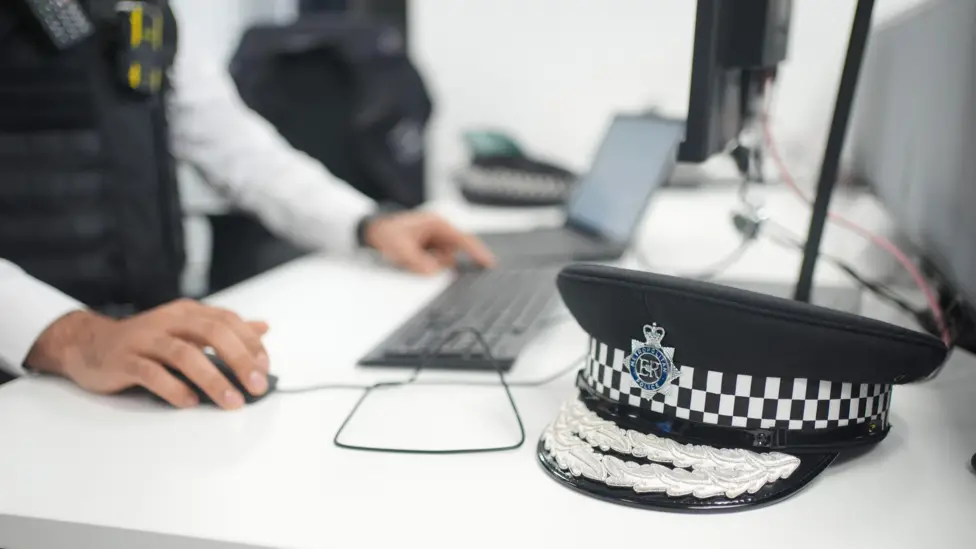
A major review of vetting practices within the Metropolitan Police has found that two serial rapists were among more than 130 officers and staff who went on to commit serious crimes or misconduct after not being properly vetted, raising renewed concerns about standards, accountability and public trust in the force.
The review examined vetting decisions made over a 10 year period up to the end of March 2023 within the Metropolitan Police. It identified 131 individuals who were cleared to join or remain in the organisation despite warning signs that should have prompted closer scrutiny. Among the most serious cases were those of David Carrick and Cliff Mitchell, both of whom were later convicted of rape.
Carrick, now regarded as one of the worst sexual offenders in British history, was able to serve as a police officer for years despite a pattern of concerning behaviour that was not adequately addressed. The review found that vetting failures allowed him to remain in uniform while committing repeated offences, severely damaging confidence in the force’s ability to protect the public from those within its own ranks.
The case of Mitchell highlighted a different but equally troubling failure. He was permitted to join the Metropolitan Police in 2020 after an initial decision to reject his application was overturned by a vetting panel. That panel was partly established to improve diversity and inclusion within recruitment processes. Despite a previous rape allegation, the decision was reversed, allowing Mitchell to enter the force. He was later convicted, prompting questions about whether competing priorities compromised safeguarding standards.
The review concluded that vetting processes were inconsistent and, in some cases, overly permissive. It found that relevant intelligence, allegations and behavioural indicators were either not fully assessed or not given sufficient weight. In several instances, decision makers lacked clear guidance or felt pressured to resolve cases quickly, leading to flawed outcomes.
Senior figures acknowledged that the findings were deeply troubling. They said the failures demonstrated the need for a fundamental reset of vetting standards and decision making culture. The report stressed that public confidence depends on rigorous checks and a willingness to err on the side of caution, particularly when allegations of serious violence or sexual misconduct are involved.
The findings come amid ongoing scrutiny of policing standards across United Kingdom, following a series of high profile scandals involving officers abusing their positions. Campaigners and victims’ groups have repeatedly warned that inadequate vetting enables predatory individuals to exploit the authority and access that comes with a police badge.
The review also raised concerns about internal accountability. In some cases, officers who raised objections were overruled without sufficient explanation, while record keeping was inconsistent, making it difficult to trace how decisions were reached. This lack of transparency, the report said, weakened institutional safeguards.
In response, the Metropolitan Police said it has already begun tightening vetting procedures, including rechecking serving officers and strengthening oversight of vetting panels. New measures are intended to ensure that allegations of serious wrongdoing carry decisive weight and cannot be dismissed without robust justification.
For many observers, however, the damage has already been done. The presence of two convicted rapists among officers who passed vetting processes has intensified calls for independent oversight and cultural change. The review’s findings underline a stark lesson that without uncompromising standards, efforts to reform policing risk being undermined from within.