Tech
EV adoption rates accelerate across major UK cities

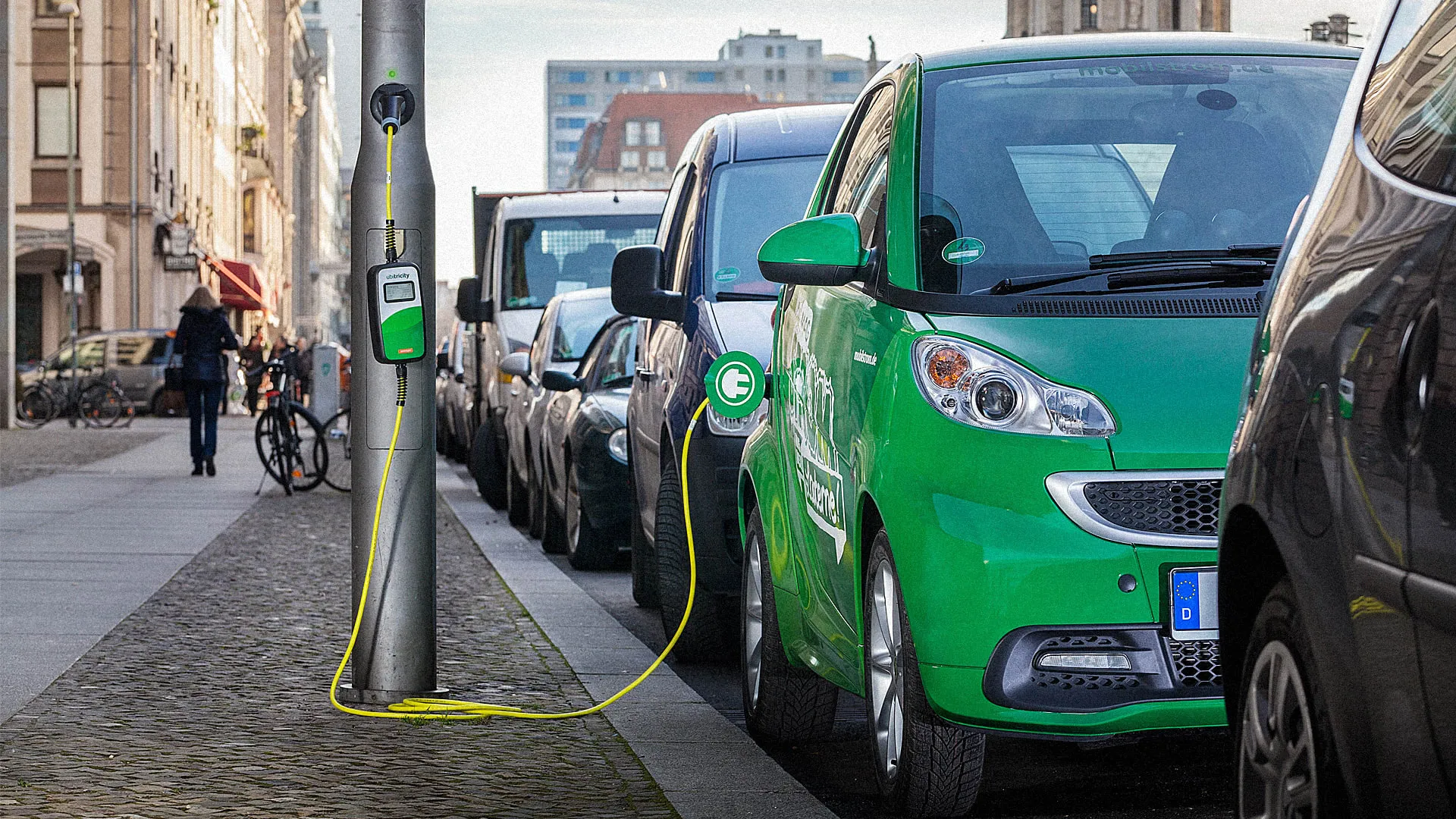
Major cities across the United Kingdom are experiencing a rapid increase in electric vehicle adoption as residents prioritise cleaner transport options and long term cost savings. Drivers in London Manchester Birmingham Glasgow and Bristol are showing stronger interest in electric models due to rising fuel costs expanding charging networks and growing awareness of environmental impact. Transport analysts note that the shift reflects a broader cultural change where households are viewing electric mobility as a practical and future focused choice rather than an experimental alternative.
Government incentives have also encouraged more people to consider electric vehicles. Grants for charging equipment lower road taxes and supportive policies for clean air zones have created an environment where drivers feel more confident investing in new technology. Many urban residents say that electric vehicles align with their daily commuting patterns especially as cities continue developing compact efficient infrastructure for low emission travel.
Charging Infrastructure Expands Across the Country
One of the biggest contributors to accelerated adoption is the rapid expansion of charging infrastructure. Local authorities and private companies have installed thousands of new charging points in car parks residential areas supermarkets and service stations. Drivers no longer feel restricted by concerns about finding a place to charge during busy days. The wider availability of convenient locations has helped reduce hesitation among new buyers.
Fast charging stations in particular are becoming central to the growth. These stations significantly reduce waiting times and make electric travel more suitable for longer distances. Many cities plan to introduce ultra fast chargers in high traffic areas to support both private vehicles and commercial fleets. The combined effort between councils and private firms highlights the importance of accessible charging solutions in shaping the future of mobility.
Electric Models Become More Affordable and Appealing
Automotive companies are introducing a wider variety of electric vehicle models at different price points making it easier for households to find options that match their needs. Compact city cars family sized vehicles and high performance models are all available in electric versions. The increasing range of choices allows buyers to focus on comfort reliability and style without feeling limited by technology.
Battery improvements also play a role. Modern electric vehicles offer longer driving ranges and more efficient energy usage which helps reduce concerns about daily commuting. Many drivers report that the quiet smooth performance of electric models enhances the overall driving experience. These factors combine to create greater trust in electric vehicle technology.
Commercial Fleets Accelerate the Transition
Businesses are also contributing to rising adoption rates as commercial fleets shift toward electric vans taxis and delivery vehicles. Logistics companies appreciate the lower long term maintenance costs and predictable charging schedules. Ride hailing services are encouraging drivers to switch to electric models due to cleaner operations and growing demand for low emission transport options.
Local councils are updating their own fleets by introducing electric buses and service vehicles. These changes help cities reduce pollution levels and demonstrate institutional commitment to sustainable mobility. As more electric vehicles operate in public spaces residents become more familiar with the technology and more likely to consider adopting it.
Environmental Impact Encourages New Buyers
Environmental awareness continues to shape buying decisions across the country. Many residents say they want to reduce their carbon footprint and view electric vehicles as an effective way to support climate goals. Air quality concerns in densely populated areas have encouraged families to look for cleaner alternatives that benefit both their health and the environment.
Research indicates that emissions have already begun to decline in areas with high electric vehicle usage. Cleaner transport options help reduce traffic related pollution and support broader environmental strategies. Cities that promote electric mobility often see improved public health outcomes and stronger support for sustainability initiatives.
Challenges Remain but Progress Continues
Although growth is strong certain challenges remain. Some residents still worry about the initial cost of electric vehicles despite increasing affordability. Others express concerns about charging access in older neighbourhoods where private parking is limited. Industry leaders believe these issues can be addressed through targeted policies expanding public charging coverage and continued improvements in battery technology.
Energy demand is another area receiving attention. As electric vehicle adoption rises the electricity grid must adapt to support higher usage levels. Energy companies are investing in smart charging tools and renewable energy projects to meet future requirements. These efforts aim to ensure that electric mobility remains reliable even as demand increases.
A Transformative Shift in Urban Mobility
The rise in electric vehicle adoption across major UK cities marks a significant moment in the evolution of national transportation. City residents are embracing cleaner technology that offers practical benefits comfort and long term sustainability. With continued investment in infrastructure supportive policies and growing public awareness the shift toward electric mobility is expected to accelerate further in the coming years.