News
EU court rules Poland must recognise same sex marriages registered elsewhere in the bloc

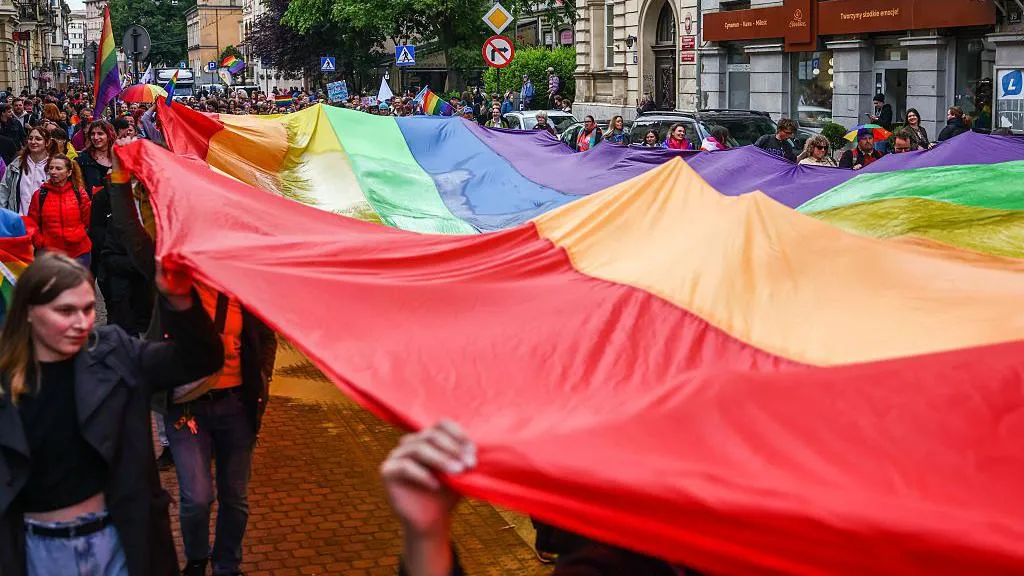
Poland must recognise same sex marriages legally performed in other European Union member states, the EU’s top court has ruled. The decision from the European Court of Justice affirms that EU citizens who marry in one member state retain their rights as a married couple when they move elsewhere in the bloc, even if the receiving country does not permit same sex marriage under its own laws.
The case centred on a Polish couple who married in Berlin in 2018. When they later moved to Poland, authorities refused to acknowledge their marriage certificate, arguing that Polish law only recognises unions between a man and a woman. The refusal prompted a legal challenge that ultimately reached the ECJ, which issued its ruling on Tuesday.
The court stressed that Poland does not need to amend its domestic marriage laws. Instead, it must recognise marriages lawfully concluded in another EU state when doing so is necessary to uphold EU citizens’ rights. The judges said that while marriage rules fall within national authority, member states must still comply with EU law when exercising that authority, particularly in areas involving freedom of movement and family life.
According to the ruling, EU citizens who marry in one country must be able to maintain their family status when moving to another. The court found that forcing the couple to live as unmarried partners in Poland violated their EU rights and created legal uncertainty around their family life. Such a situation, it said, contradicts the principles of free movement that form a core part of the European Union.
Across the EU, same sex marriage laws vary widely. Since the Netherlands became the first country to recognise such unions in 2001, many others have followed. But several states, including Poland, Hungary and Slovakia, still oppose same sex marriage. In September, Slovakia amended its constitution to limit adoption rights to heterosexual couples, drawing criticism from rights advocates.
Poland’s current pro European coalition government has signalled that it wants to expand protections for same sex couples. However, any legislative reform could face resistance from conservative President Karol Nawrocki, who holds veto power. The ECJ ruling may therefore play a significant role in shaping how Poland approaches the issue in the near term.
The decision was welcomed by supporters of LGBT rights. Katarzyna Kotula, a secretary of state and an ally of Prime Minister Donald Tusk, called the ruling an important milestone on the road toward marriage equality. Krzysztof Smiszek, a centre left member of the European Parliament, wrote online that “history is happening”, reflecting the significance many see in the judgment.
The court’s decision reinforces the principle that EU citizenship carries tangible rights that cannot be overridden by national restrictions, particularly when they affect fundamental aspects of private and family life.