News
English Councils to Gain Wider Powers to Fine Pavement Parking Under New Rules

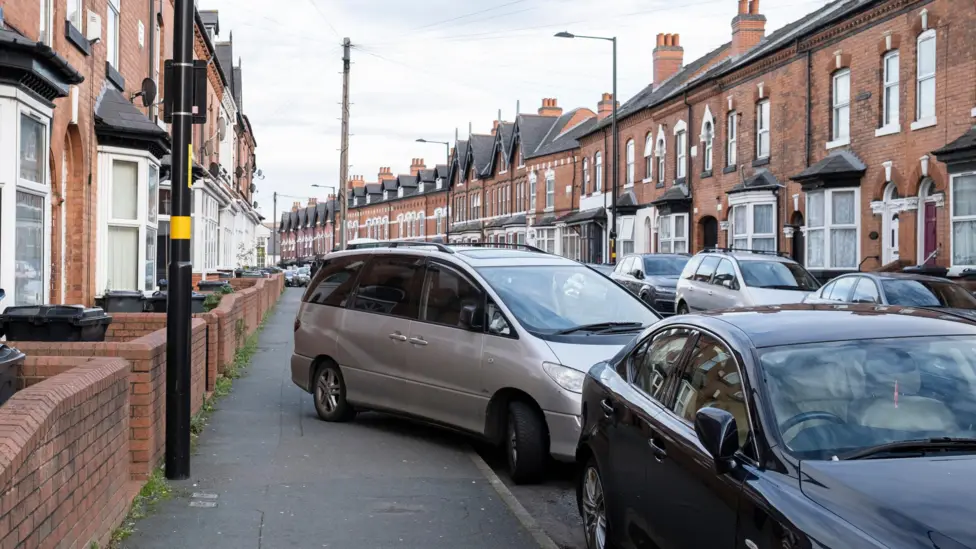
Councils across England are set to receive expanded powers to fine motorists who park on pavements, in a move aimed at reducing disruption and improving safety for pedestrians. The changes are expected to take effect later this year and will be accompanied by national guidance designed to ensure the rules are enforced in a proportionate and consistent manner.
At present, pavement parking is banned outright in London and across Scotland. Elsewhere in England, councils can only act if specific restrictions are introduced street by street, a process that can be time consuming and costly. The new framework would give local authorities broader authority to penalise the most disruptive cases without having to rely on individual traffic orders.
The government says the change is intended to make enforcement simpler and more effective, particularly in areas where pavement parking causes persistent problems. Officials argue that vehicles left on pavements can obstruct people using wheelchairs or pushchairs, force pedestrians into the road and damage paving infrastructure. In narrow streets, the practice can also block visibility and create hazards for drivers and cyclists.
Under the new approach, councils would have discretion over how and where the powers are applied. National guidance will set out expectations around fairness, encouraging authorities to focus on behaviour that clearly causes obstruction or danger rather than penalising minor or unavoidable cases. Ministers have said enforcement should take local conditions into account, including street width, parking availability and the needs of residents.
Supporters of the move say it addresses a long standing gap in traffic enforcement outside London and Scotland. Disability advocacy groups have repeatedly highlighted pavement parking as a major barrier to independent travel, particularly for people with mobility impairments or visual difficulties. They argue that consistent enforcement is essential to ensure pavements remain accessible and safe.
Local government representatives have also welcomed the proposals, saying they provide councils with a clearer legal basis to tackle complaints from residents. Many councils report that they receive frequent reports about pavement parking but lack the tools to respond effectively unless specific restrictions are already in place.
However, some motorists and community groups have expressed concern about how the new powers will be applied. In older residential areas with limited off street parking, pavement parking is often used to keep roads passable for emergency vehicles. Critics warn that heavy handed enforcement could lead to frustration unless councils clearly communicate how the rules will work.
The government has sought to reassure drivers that the aim is not to issue fines indiscriminately. Officials say the guidance will emphasise education and common sense, encouraging councils to target only the worst examples of obstruction. Clear signage and public information campaigns are expected to accompany the rollout.
The changes form part of a broader effort by the UK Government to give local authorities more flexibility in managing their streets. By standardising powers across England, ministers hope to reduce confusion for both drivers and pedestrians while improving the overall use of public space.
As councils prepare for the new rules, attention will turn to how they balance enforcement with local realities. If applied carefully, supporters say the measures could make pavements safer and more accessible without placing unnecessary burdens on residents. The effectiveness of the policy will ultimately depend on how consistently and sensitively councils use their new powers.