Business
Energy Bills to Fall for Most UK Households After Ofgem Cuts Price Cap

Most households across Britain will see their energy bills fall from April after regulator Ofgem announced a 7 percent reduction in the price cap on standard tariffs. The move is expected to ease pressure on families still grappling with elevated living costs.
The new cap will be set at 1,641 pounds per year for a typical household using average amounts of gas and electricity. That represents a drop of 117 pounds compared with the level in place between January and March.
Ofgem said the main driver behind the reduction was a shift in policy costs announced in last year’s budget. The government confirmed it would move 75 percent of the cost of the Renewables Obligation scheme from household bills to general taxation. The scheme funds renewable electricity generation and has formed part of consumer energy charges for years.
Ministers also scrapped a requirement for suppliers to fund certain efficiency measures, such as insulation and heating upgrades for low income households. Combined, the changes were expected to remove around 150 pounds from the average annual bill.
Tim Jarvis, Director General for Markets at Ofgem, said the updated cap reflects changes in policy costs and lower wholesale prices in recent months. Wholesale gas and electricity prices remain a significant component in the formula used to calculate the cap, and these have softened compared with earlier peaks.
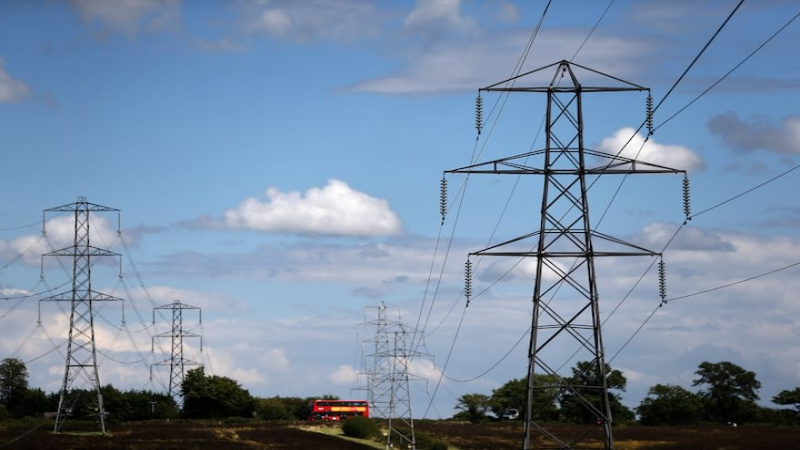
However, not all elements of energy bills are falling. Network costs have risen sharply as the country invests in modernising and expanding its transmission infrastructure. Levies associated with a 24 billion pound upgrade to the national grid have begun to feed into household charges. As a result, network costs increased by 66 pounds compared with the previous price cap period, offsetting part of the savings from policy adjustments and wholesale price movements.
Despite the reduction, energy costs remain well above levels seen before the energy crisis triggered by global supply shocks and geopolitical tensions. Even at the new rate, the cap is around 30 percent higher than during the winter of 2021 to 2022.
Consumer groups welcomed the cut but warned that many households would continue to struggle. Campaigners said bills remain hundreds of pounds higher than historic norms and urged additional targeted support for vulnerable families.
The price cap, introduced in 2019, applies to standard variable tariffs and covers roughly two thirds of UK households. It is reviewed every three months based on wholesale costs, network charges and policy levies.
Prime Minister Keir Starmer said the latest reduction demonstrates that the government is acting to bring down costs for households, though he acknowledged that further work is needed to ease the wider cost of living pressures facing families.