Business
Elon Musk Says H1B Visas Are Being Abused but Warns Against Scrapping the System

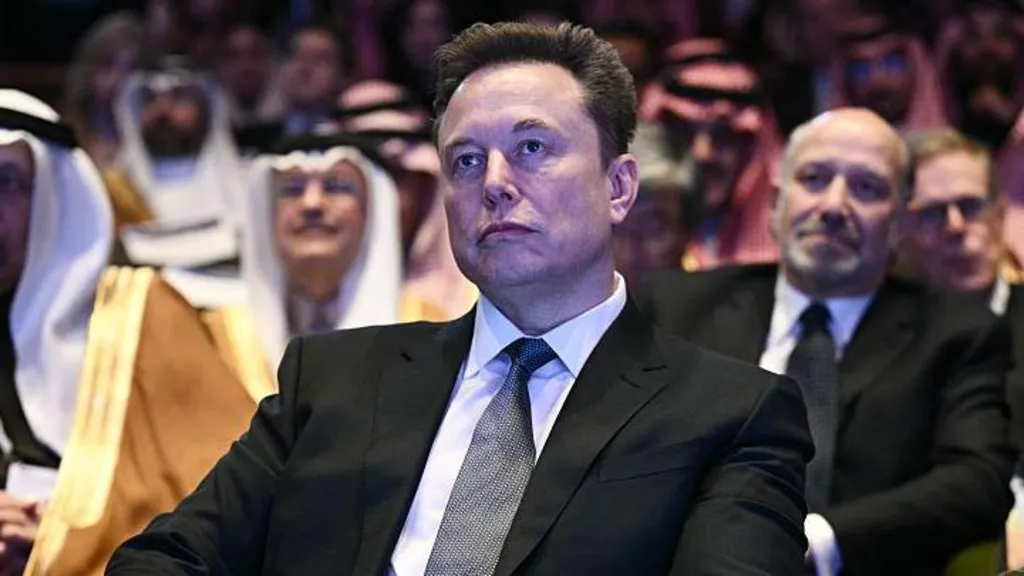
Tesla chief executive Elon Musk has voiced strong opinions about the United States’ H1B visa programme, saying the system is being “gamed” by certain outsourcing companies but insisting that the answer lies in correcting abuse, not dismantling a programme that has long benefited the country. Speaking on entrepreneur Nikhil Kamath’s podcast, Musk discussed visas, immigration and global trade, offering a wide ranging perspective on America’s economic and political landscape.
Indian Workers at the Centre of the Debate
The H1B visa programme enables American companies to hire foreign skilled workers, especially in technology, engineering, research, and medicine. Roughly seventy per cent of H1B visas are issued to Indian nationals, many of whom work in sectors that rely heavily on specialized talent. These workers have contributed significantly to innovation in the United States, and Musk acknowledged this positive impact.
However, concerns have grown about how some outsourcing and staffing firms may be taking advantage of the system. The H1B lottery can be influenced by firms submitting multiple entries on behalf of the same candidate, or by hiring lower paid contract workers for roles that should require highly specialized skills. These practices have prompted calls for reform.
A Call to Fix Abuse Without Destroying the System
Musk’s comments emphasized the need for balance. He said the visa programme should not be abolished, as some political groups have suggested, but rather refined to ensure fairness. He noted that misuse of the programme hurts both US companies and genuinely skilled applicants seeking opportunities to contribute to American industries. Musk argued that shutting down the system would be counterproductive, saying that the United States has long benefited from attracting talented workers from India and other countries.
He also cautioned that ending the H1B programme would harm US competitiveness, particularly in fields where domestic talent shortages persist. For Musk, the priority is preventing “gaming of the system,” not eliminating it.
New Fees Heighten Anxiety Among Applicants
The visa debate intensified in September when President Donald Trump introduced a one hundred thousand dollar fee for companies sponsoring H1B applicants. The move has created anxiety among Indian workers and employers, many of whom fear that rising costs could push companies to reduce their hiring of foreign workers. Critics say the policy risks undermining industries that rely on international expertise, while supporters argue the fees may deter misuse of the system.
The National Foundation for American Policy recently reported that approvals for H1B petitions from Indian outsourcing companies have fallen dramatically. The top seven Indian firms secured only four thousand five hundred seventy-three approvals for first-time employment this year, marking a seventy percent drop from 2015.
A Warning About Economic Distortion
During the podcast conversation, Musk also discussed Trump’s preference for tariffs as a key economic tool. He revealed that he had tried unsuccessfully to convince the former president to rethink tariff increases, explaining that they create market distortions and raise costs for consumers and businesses. Musk argued that tariffs should be used sparingly, as too much reliance on them can disrupt supply chains and damage international trade relationships.
Yet Trump has continued to embrace tariffs, especially in disputes involving India. The United States has imposed tariffs of up to fifty per cent on various Indian goods, including penalties related to purchases of Russian oil. These policies have added friction to US India trade relations even as both countries work toward a larger trade agreement.
Trade Talks Continue Despite Tensions
Despite disagreements over visas and tariffs, the United States and India remain engaged in negotiations over a comprehensive trade deal. Officials from both sides hope to reach an agreement by the end of the year. Such a deal could reduce tariff barriers and create new opportunities for collaboration across technology, energy and manufacturing sectors.
For Indian workers, American companies, and global industries, the future of the H1B programme remains a major point of attention. Musk’s remarks reflect a broader conversation about how the United States can maintain its leadership in technology while ensuring fairness and preventing exploitation.
Balancing Innovation, Fairness and National Policy
The debate surrounding H1B visas demonstrates the complexity of modern immigration policy. The programme supports economic growth and innovation but remains vulnerable to manipulation. Musk’s comments highlight the need to protect the system while addressing legitimate concerns about misuse.
As the United States continues to adjust its immigration and trade policies, the challenge will be finding solutions that safeguard economic competitiveness, support skilled migrants and prevent practices that undermine the spirit of the programme.