Trending
Double Murderer Awarded £7,500 Compensation Over Human Rights Breaches

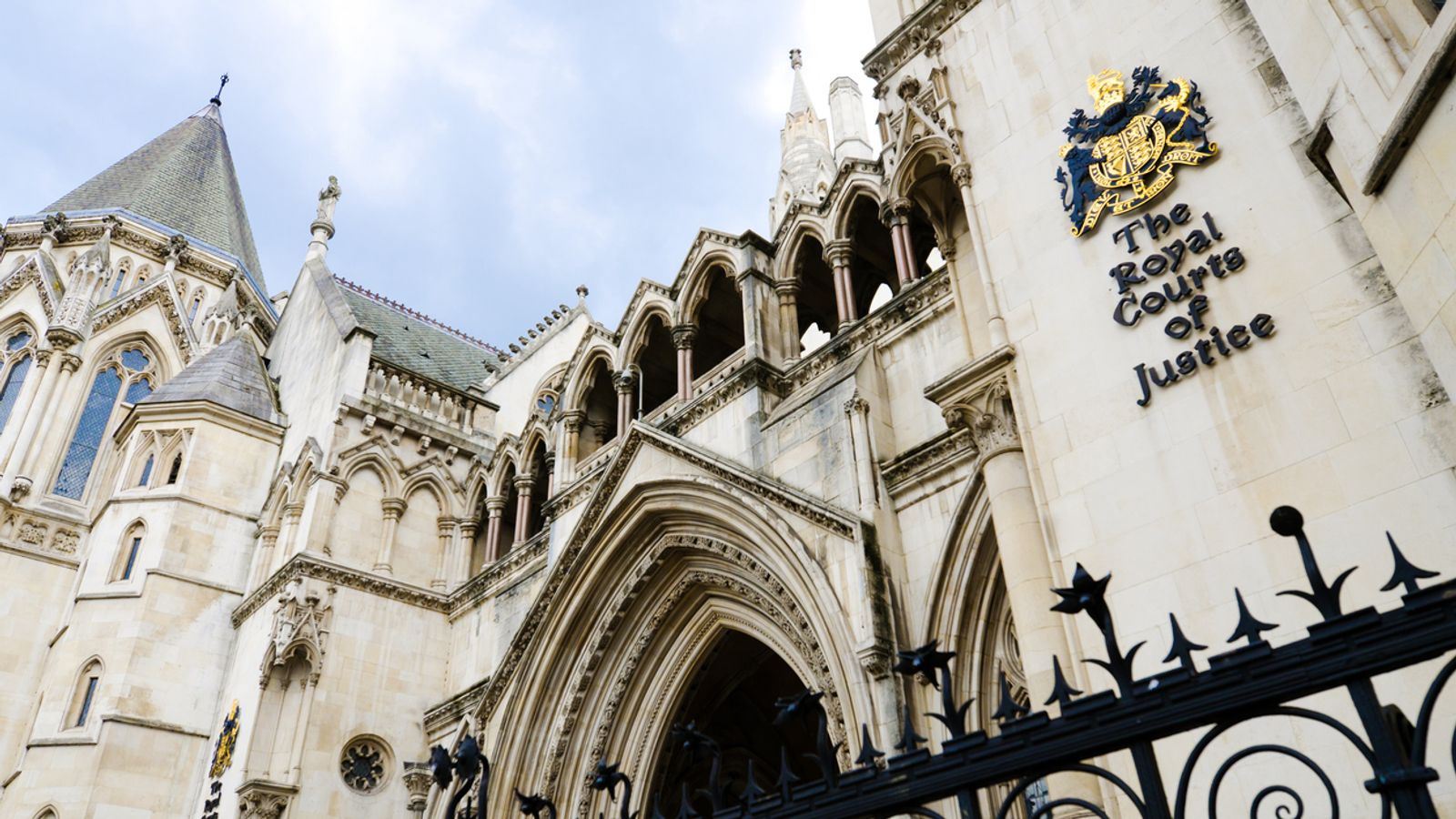
Compensation ruling sparks public controversy
A convicted double murderer serving a life sentence has been awarded £7,500 in compensation after a court found that his human rights were breached while he was held in prison. The decision has reignited public debate in the UK over the balance between prisoner rights, public safety, and accountability within the justice system.
Fuad Awale was convicted of shooting two teenagers in the head and is currently serving a life sentence. Despite the gravity of his crimes, the court ruled that aspects of his prison treatment violated his rights under human rights law.
Background to the prison restrictions
Awale was transferred to a special unit for dangerous prisoners after threatening to kill a prison officer. Authorities later imposed further restrictions, including preventing him from having contact with other inmates.
Prison officials argued that the measures were necessary to maintain safety and order within the facility. However, the court concluded that the extended isolation and lack of meaningful human contact went beyond what was legally justified, even for a high risk prisoner.
The ruling found that while prison authorities have wide discretion to manage security risks, they must still operate within legal limits designed to protect basic human dignity.
Court finds breach of fundamental rights
The court determined that Awale’s prolonged isolation amounted to a breach of his rights, leading to the compensation award. Judges acknowledged the seriousness of his offences and the threats he posed but emphasised that punishment imposed by the courts does not remove all legal protections.
Under UK law, prisoners retain certain fundamental rights regardless of their crimes. These include protections against inhumane or degrading treatment, which courts must uphold even when dealing with individuals convicted of extreme violence.
The compensation was awarded to recognise the breach itself, rather than to excuse or minimise Awale’s actions.
Strong public reaction to the ruling
News of the payout has triggered strong reactions, particularly among victims’ advocates and members of the public who question why a convicted killer should receive compensation funded by taxpayers.
Critics argue that such rulings undermine confidence in the justice system and risk prioritising offenders over victims. Some politicians have renewed calls for reform of how human rights law is applied in cases involving serious violent offenders.
Supporters of the ruling counter that the justice system’s legitimacy depends on consistent application of the law, even when outcomes are unpopular.
Prison management under legal scrutiny
The case highlights ongoing challenges faced by prison authorities managing inmates considered extremely dangerous. Special units and isolation measures are often used to prevent harm to staff and other prisoners, but they must be carefully monitored to avoid breaching legal standards.
Legal experts say the ruling serves as a reminder that risk management must be proportionate and regularly reviewed. Failure to do so can expose authorities to legal challenges, financial penalties, and reputational damage.
Prison services have said they are reviewing policies to ensure security measures remain compliant with legal obligations.
Broader implications for UK justice policy
The compensation award raises wider questions about how human rights law interacts with criminal justice policy. The UK remains bound by domestic and international legal frameworks that require humane treatment of all detainees, regardless of offence severity.
Courts have repeatedly stressed that respecting these standards does not weaken public safety, but rather reinforces the rule of law. However, the political sensitivity of such cases means they often become focal points in debates over reform.
Some lawmakers have argued for clearer legal guidance to help prison authorities balance security needs with human rights compliance.
Victims and public trust
While the legal reasoning behind the ruling is rooted in established principles, the emotional impact on victims’ families cannot be ignored. Advocacy groups stress the importance of ensuring that victims remain central to the justice process, even as offender rights are protected.
Public trust in the justice system depends not only on legal correctness but also on perceptions of fairness. Cases like this test that trust, particularly when outcomes appear counterintuitive to many citizens.
A complex and uncomfortable outcome
The award of £7,500 to a convicted double murderer underscores the complexity of modern justice systems. It illustrates how the law can reach outcomes that provoke discomfort while still adhering to legal standards.
For authorities, the case serves as a cautionary example of the consequences of overreach in prison management. For the public, it highlights the ongoing tension between punishment, protection, and principle at the heart of the legal system.