Latest News
Dire Conditions Reported as Tens of Thousands Flee DR Congo Violence Into Burundi

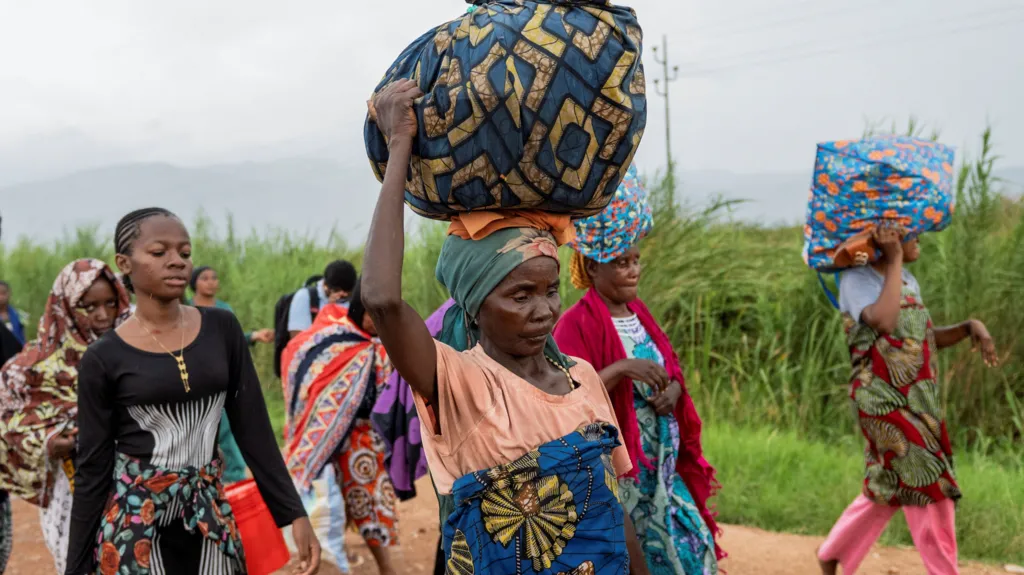
Nearly 90,000 people who have fled escalating violence in eastern Democratic Republic of Congo are facing extremely harsh conditions after crossing into Burundi, according to humanitarian organisations working on the ground. Aid agencies warn that overcrowded camps, shortages of food and water, and limited medical care are placing vulnerable families at serious risk.
The recent influx follows renewed fighting in eastern Congo after M23 rebels captured the city of Uvira, located close to the Burundian border. Although the rebel group has since said it has withdrawn from the city, the fighting has already forced hundreds of thousands of civilians to flee their homes. Many families escaped with little more than the clothes they were wearing, making the humanitarian response particularly challenging.
Those arriving in Burundi are being sheltered in temporary and often cramped camps that lack basic infrastructure. Aid workers say conditions are deteriorating quickly as the number of arrivals overwhelms existing facilities. Clean water and sanitation are limited, raising fears of disease outbreaks, while food supplies are stretched thin.
Medical charity Doctors Without Borders, also known as MSF, said it is providing emergency assistance but is increasingly concerned about the scale of needs. The organisation reported that many refugees are arriving exhausted, malnourished, and in urgent need of medical care. Children suffering from dehydration and preventable illnesses are among the most common cases being treated.
The UN refugee agency UNHCR said women and children are bearing the brunt of the crisis. Pregnant women, in particular, face serious health risks due to a lack of prenatal care and insufficient nutrition. Some refugees told aid workers they had gone several days without food during their journey or after reaching safety.
Burundi, one of the poorest countries in the region, is struggling to cope with the sudden surge in refugees. Local communities near the border have offered support where possible, but resources are limited. Aid agencies say international assistance is urgently needed to prevent the situation from worsening further.
The conflict in eastern Democratic Republic of Congo has displaced millions over the years, driven by fighting between armed groups and government forces. The resurgence of violence around Uvira has once again highlighted the instability of the region and the severe impact on civilians.
Humanitarian groups are calling for improved access to refugee sites, increased funding, and stronger coordination between regional authorities and international donors. Without additional support, they warn that basic services could collapse, leaving thousands at risk of hunger, disease, and further trauma.
Aid agencies are also urging renewed diplomatic efforts to stabilise eastern Congo and protect civilians. While the immediate priority remains lifesaving assistance, they stress that long term solutions are needed to address the cycle of violence and displacement that continues to affect the region.
As families crowd into makeshift shelters and wait for help, the situation in Burundi stands as a stark reminder of the human cost of conflict. For those who fled Uvira and surrounding areas, safety has come at the price of severe hardship, with little certainty about when they will be able to return home.