
Tech
Digital Mapping Offers New Protection for Historic Ghosts House

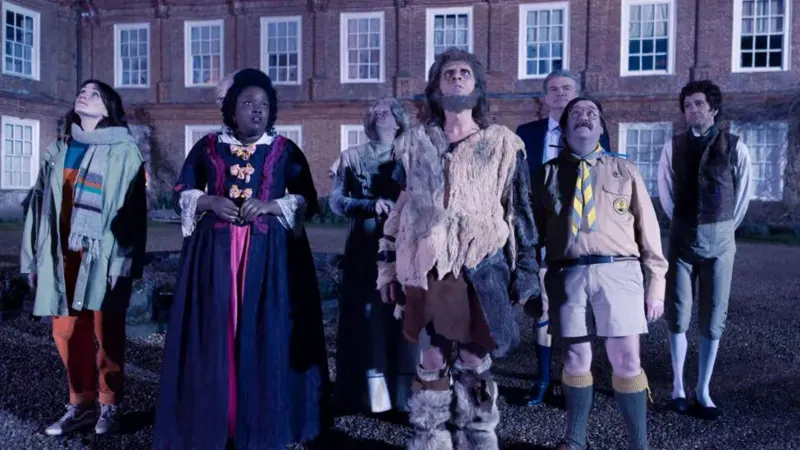
A historic country house best known to many as a filming location for the television series Ghosts is entering a new era of preservation through advanced digital technology. West Horsley Place in Surrey has been digitally mapped in unprecedented detail, creating a highly accurate three dimensional record that experts believe could transform how historic buildings are protected, managed, and experienced.
A Landmark Brought Into the Digital Age
The Grade 1 listed West Horsley Place, a 15th century estate with centuries of architectural evolution, has been digitally captured using state of the art laser scanning technology. Engineers from University of Surrey spent more than a year completing a full digital survey of the site, recording millions of precise measurements across the building and its surrounding structures.
High resolution laser scanners were used to document every accessible surface, from intricate timber beams to stone walls shaped by time. The result is a comprehensive three dimensional model that reflects the building’s current condition with remarkable accuracy. This digital replica now acts as a permanent record of the estate at a specific moment in its long history.
How Laser Scanning Protects Historic Buildings
Laser scanning technology allows engineers and conservationists to detect subtle structural changes that may not be visible to the naked eye. Over time, these digital records can be compared to identify movement, deterioration, or damage caused by weather, aging materials, or environmental stress.
For historic buildings like West Horsley Place, this capability is particularly valuable. Traditional preservation relies heavily on periodic inspections, which can miss slow developing issues. Digital mapping enables continuous monitoring without physical intervention, reducing the risk of damage during inspections and lowering long term maintenance costs.
Preservation Meets Visitor Experience
Beyond conservation, the digital model opens new possibilities for how visitors interact with historic sites. According to the project team, the technology could reshape how the estate is experienced by the public. Virtual tours, interactive exhibits, and educational resources can now be built using the detailed three dimensional data.
This approach allows people who cannot physically visit the site to explore it remotely, while also enhancing on site visits with digital overlays and guided experiences. For heritage organisations, this creates opportunities to expand engagement without increasing footfall in sensitive areas.
Cultural Value Beyond Television Fame
While West Horsley Place has gained renewed popularity through its role as the filming location for the BBC series Ghosts, its historical significance extends far beyond popular culture. The house has passed through numerous owners over centuries and reflects architectural styles spanning hundreds of years.
Digitally preserving the estate ensures that both its cultural legacy and its physical form are safeguarded for future generations. Even if parts of the structure were to be damaged or altered, the digital record would remain as a reference for restoration or academic study.
A Model for Future Heritage Projects
The success of this project highlights how digital mapping is becoming a core tool in heritage management. As climate change increases risks from extreme weather and rising maintenance costs threaten historic properties, digital documentation provides a practical and scalable solution.
Universities, heritage trusts, and local authorities are increasingly exploring similar approaches to protect vulnerable landmarks. The West Horsley Place project demonstrates how collaboration between academic institutions and heritage sites can produce long term value that extends beyond preservation alone.
Technology Safeguarding the Past
The digital protection of West Horsley Place reflects a broader shift in how technology is applied to cultural preservation. Rather than replacing traditional conservation methods, digital mapping enhances them, offering deeper insight, improved planning, and richer public engagement.
As historic buildings face growing pressures, projects like this show how advanced technology can help ensure that the past remains accessible, understood, and protected well into the future.



