News
Deep Freeze Triggers Widespread Travel Disruption Across Western Europe

A severe spell of winter weather has caused major disruption across western Europe, grounding flights, delaying trains and leaving thousands of travellers stranded as heavy snow and ice grip key transport hubs.
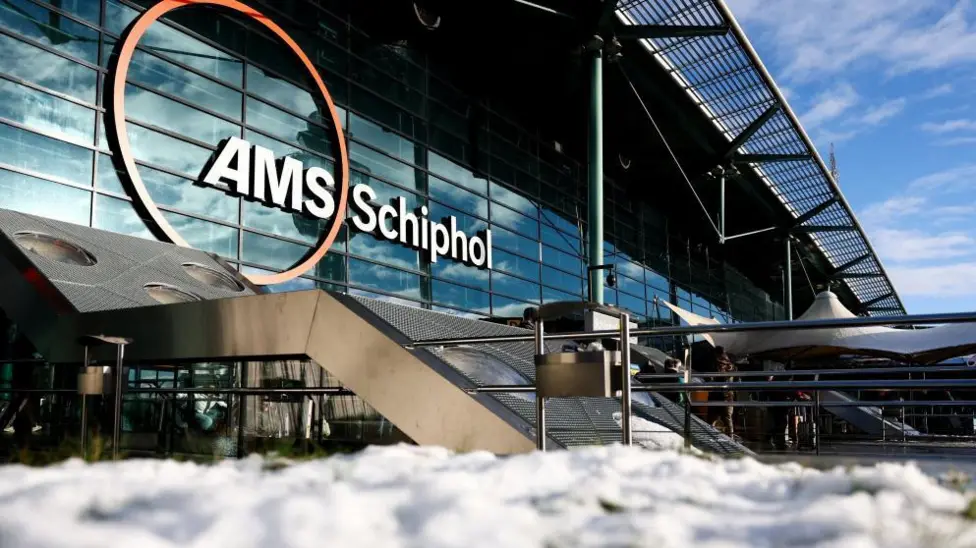
Airports have been among the worst affected. More than 700 flights were cancelled at Schiphol Airport on Wednesday, dealing a major blow to one of Europe’s busiest aviation hubs. Snow covered runways, freezing temperatures and aircraft de icing delays forced airlines to suspend operations, with knock on effects felt across the continent.
In France, aviation authorities ordered airlines to cut 40 percent of scheduled flights at Charles de Gaulle Airport, citing safety concerns and limited ground handling capacity. Passengers faced long delays, last minute cancellations and packed terminals as airlines struggled to reorganise schedules.
Rail services were also hit hard. Eurostar trains linking the United Kingdom with mainland Europe experienced delays and cancellations as ice and snow affected tracks and signalling systems. Freight and haulage operations across northern France, Belgium and the Netherlands were disrupted, adding pressure to already strained supply chains.
The cold snap has had deadly consequences. At least six people have died in weather related incidents across Europe this week, with five deaths reported in France and one in Bosnia. Authorities said the fatalities were linked to traffic accidents, falls on icy surfaces and exposure to extreme cold.
At Schiphol, the situation became increasingly strained as freezing conditions persisted for several days. Dutch national airline KLM warned that the airport was close to running out of de icing fluid, a critical resource for keeping aircraft safe to fly. The shortage underscored how prolonged cold can overwhelm even well prepared transport systems.
KLM spokesperson Stephan Donker described the situation as exceptional, saying the combination of sustained freezing temperatures, high traffic volumes and logistical constraints had created unprecedented challenges. More than 1,000 travellers were forced to spend the night at the airport, sleeping in terminals as hotels filled up and onward travel options disappeared.
Road conditions across western Europe were equally treacherous. Black ice formed rapidly on untreated surfaces, leading to numerous accidents and traffic jams. Emergency services reported a surge in call outs, while local authorities urged people to avoid non essential travel and check weather warnings closely.
Meteorologists said the freeze was caused by a mass of Arctic air pushing southwards, bringing temperatures well below seasonal norms. In several regions, overnight lows fell to levels rarely seen in recent winters, while snowfall accumulated quickly in areas unaccustomed to such conditions.
Governments activated emergency measures, including additional snow clearing crews and temporary shelter arrangements for vulnerable people. Schools were closed in some regions, and hospitals prepared for an increase in weather related injuries.
Experts note that while Europe has experienced milder winters overall in recent decades, extreme cold spells remain a serious risk. Rapid temperature swings can catch infrastructure and travellers off guard, particularly when systems are designed for more moderate conditions.
As forecasts suggest icy conditions may persist in parts of the region, transport operators warn that disruption could continue. Airlines and rail companies are advising passengers to check travel updates frequently and allow extra time for journeys.
The big freeze has once again highlighted the fragility of Europe’s interconnected transport networks in extreme weather. With airports, railways and roads under strain, the coming days will test how quickly systems can recover once temperatures begin to rise.