Latest News
Deadly protests and clashes in Syria – what happened and what’s next?

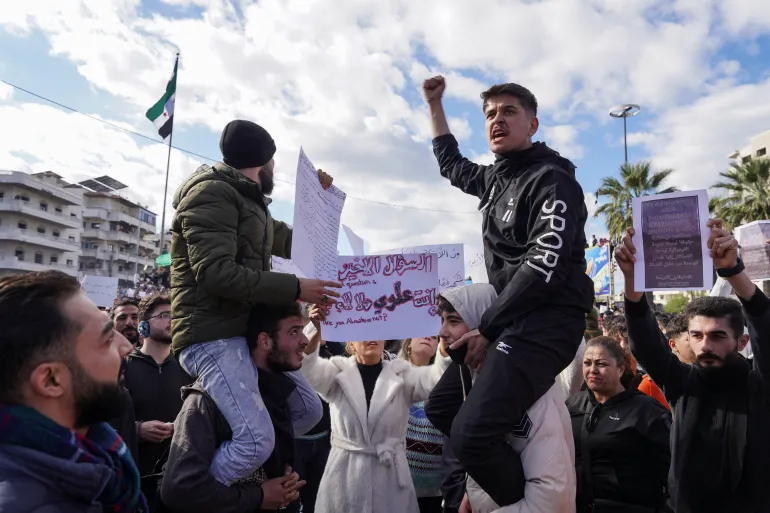
Syria’s Mediterranean cities have been rocked by protests and violent clashes following a deadly bombing at an Alawite mosque in Homs that killed at least eight people. The attacks sparked demonstrations across the coastal regions, highlighting growing sectarian tensions since the overthrow of Bashar al-Assad’s regime a year ago.
The Alawite minority, the same sect to which Assad belongs, led protests demanding security guarantees, federalism, and political reforms. In Latakia, demonstrators clashed with security forces at the al-Azhari roundabout, while in Banias, Tartous governorate, unknown assailants reportedly threw a hand grenade at a local police station. Gunfire and violence were reported in several cities, indicating the unrest is spreading along the Mediterranean coast.
The protests have reignited fears of sectarian violence in a country still struggling with the aftermath of civil war. Analysts warn that unless the government addresses underlying grievances, further clashes could destabilize the region and potentially draw in other groups. Security forces have increased their presence in coastal cities, but the situation remains volatile.
Observers say the coming days are crucial in determining whether Syria can manage the unrest through political dialogue and reforms or whether the clashes will escalate into broader conflict. International actors are monitoring the situation closely, concerned that renewed sectarian violence could exacerbate humanitarian challenges and trigger regional instability.