News
Cuba Pushes Back Against Trump’s Threat to Cut Off Venezuelan Oil and Funding

The government of Cuba has responded defiantly to recent comments by Donald Trump, the president of the United States, who declared that no Venezuelan oil or financial support would be allowed to flow to the island nation and urged Havana to negotiate a deal with Washington before it is “too late.” The escalation comes amid broader tensions involving Venezuelan politics and shifting energy ties in the Caribbean.
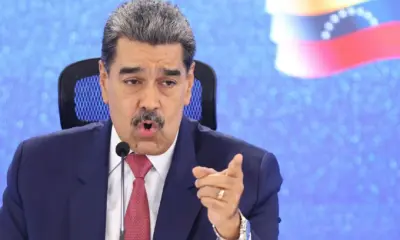
Trump’s statement, posted on his social media platform, said that Venezuela’s oil and money would be cut off from Cuba after Caracas’s controversial leadership changes and the United States’ increased pressure on the Venezuelan oil sector. Venezuela has historically been Cuba’s largest source of oil, supplying roughly 26,500 barrels per day of crude and fuel needed to support the island’s power generation and industrial needs. However, shipments have halted since early January amid a strict US oil blockade and the capture of Venezuelan leader Nicolás Maduro by American forces.
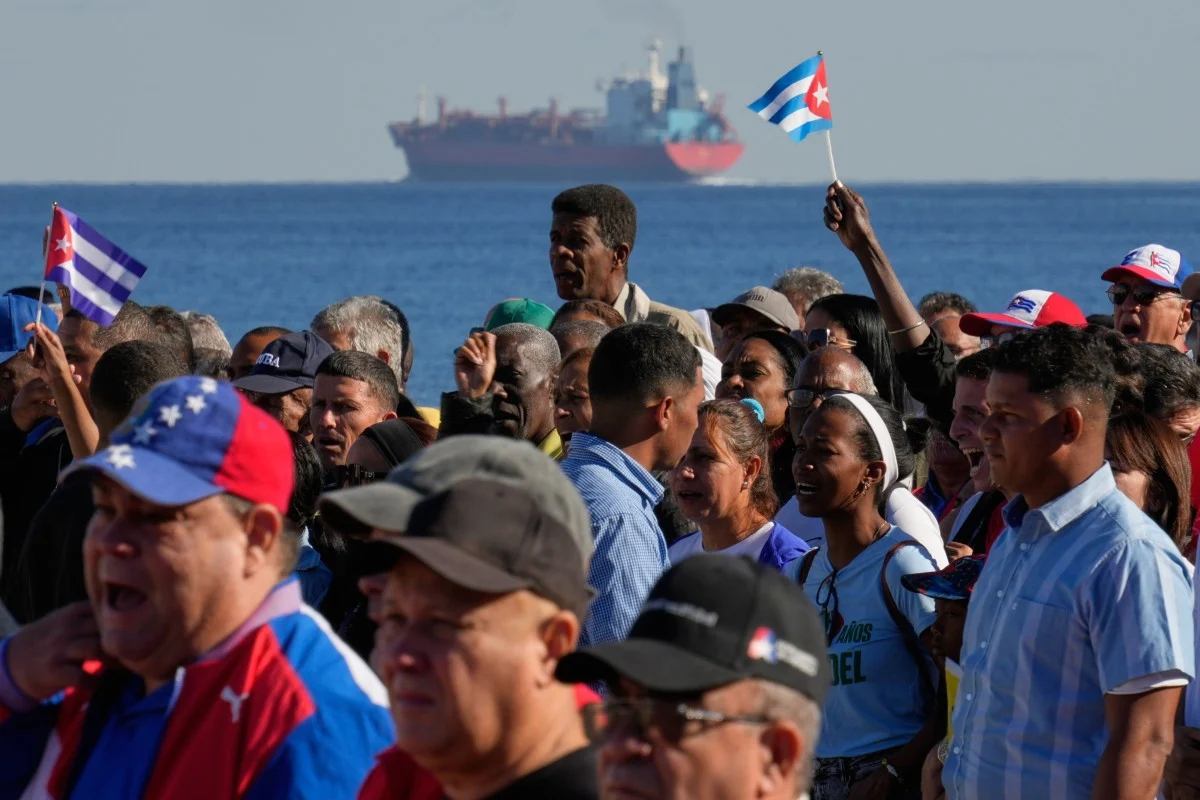
Cuba’s leadership rejected the ultimatum, with President Miguel Díaz-Canel asserting that the island is a sovereign nation that cannot be dictated to by external powers. He argued that the United States lacks moral authority to pressure Cuba into making a deal and emphasised Cuba’s long history of resisting foreign interference. Cuban officials have also stressed that the country has the right to import fuel from any willing partner and denied that it received financial compensation in exchange for security services rendered to Venezuela.
The Cuban government’s public reaction underscores the island’s precarious position. Decades of economic challenges have been compounded by rolling blackouts, shortages of food and medicine, and declining tourism revenue. Despite this, Havana’s leadership framed the US threat as a continuation of a historical adversarial relationship and vowed to defend national sovereignty.
Amid the standoff, Mexico has emerged as a secondary supplier of crude oil to Cuba, but volumes remain limited compared with the levels Venezuela once provided. Analysts say that while alternative sources help to ease Cuba’s energy shortfall, they are unlikely to fully replace the volume and favourable terms that Havana previously enjoyed.
The broader geopolitical context is also significant. The United States is reportedly negotiating a multibillion-dollar oil deal with Venezuela, in which up to 50 million barrels could be supplied to US markets with proceeds held in Treasury supervised accounts, a move that could reshape regional energy flows. At the same time, Trump’s pressure on Cuba reflects a more assertive US approach in Latin America, one that seeks to align nearby states with Washington’s strategic interests.
Despite strong rhetoric on both sides, there are currently no indications of formal negotiations between the United States and Cuba. Cuban officials have said that any discussions must be based on mutual respect and international law, a stance that suggests diplomatic engagement remains distant. Meanwhile, Cuba continues to navigate severe economic pressures and uncertainty over its energy future as traditional support from Venezuela declines.