Business
Congestion Charge for EV Drivers Comes into Effect in London

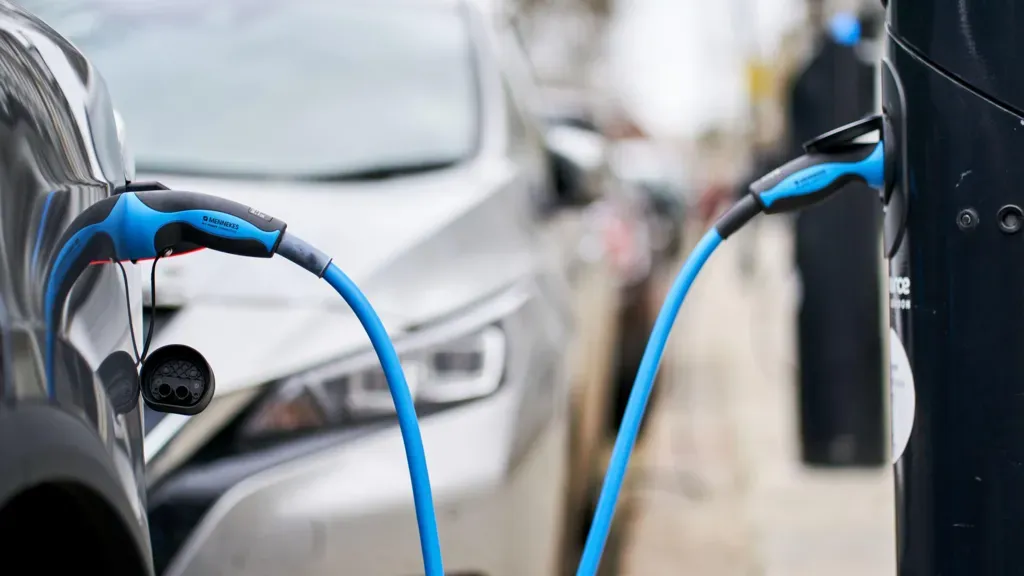
Electric vehicle drivers in central London are now required to pay the capital’s congestion charge for the first time, marking a significant shift in transport policy as city authorities look to manage traffic levels and emissions more broadly. The change ends a long standing exemption that had been in place to encourage the early adoption of cleaner vehicles.
Under the new rules, drivers of pure battery powered electric vehicles must pay the congestion charge unless they qualify for a discount. Those registered for Auto Pay are eligible for a 25 percent reduction, bringing the daily cost to £13.50. For drivers who are not registered, the full charge applies. Transport officials say the move reflects the growing number of electric vehicles on London’s roads and the need to rethink incentives as the market matures.
At the same time, the daily congestion charge for non electrified vehicles has risen from £15 to £18. This is the first increase since 2020 and comes amid rising operational costs and continued pressure to reduce traffic congestion in the city centre. Authorities argue that the charge is not just about emissions, but also about managing limited road space in one of the world’s busiest cities.
When the exemption for electric vehicles was first introduced, EVs represented only a small fraction of vehicles on London’s roads. Since then, uptake has increased rapidly, driven by government incentives, falling battery costs, and expanding charging infrastructure. City officials say the exemption has outlived its original purpose and that congestion levels remain high despite the growth in electric vehicle use.
The policy change has sparked mixed reactions among drivers and environmental campaigners. Some EV owners argue that removing the exemption undermines confidence in long term incentives and risks slowing the transition away from petrol and diesel vehicles. They point out that while electric cars reduce tailpipe emissions, they still contribute to cleaner air goals and should continue to be encouraged.
Others support the decision, noting that congestion is caused by traffic volume regardless of how vehicles are powered. Transport analysts have long argued that exempting any category of private vehicles weakens the effectiveness of congestion charging as a tool to reduce traffic. From this perspective, charging EVs is seen as a logical step towards a more consistent and fair system.
The 25 percent discount for Auto Pay registered EVs is intended to soften the impact while still ensuring that electric cars contribute to congestion management. Transport for London has encouraged eligible drivers to register in advance to avoid paying the full daily charge. Officials have also stressed that support for electric vehicles continues through other measures, including investment in charging infrastructure and the expansion of low emission zones.
For businesses and commuters who rely on driving into central London, the changes add another cost consideration at a time when many are already facing higher fuel prices, parking fees, and general living expenses. Some small business owners have expressed concern that rising transport costs could further squeeze margins, particularly for trades that depend on vehicle access.
The changes come as London continues to pursue broader transport goals, including reducing car dependency, improving air quality, and encouraging greater use of public transport, cycling, and walking. City leaders argue that congestion charging remains one of the most effective tools available to achieve these aims, even as vehicle technology evolves.
As electric vehicles become the norm rather than the exception, the policy signals a shift in focus from promoting specific technologies to managing overall travel behaviour. For EV drivers, the end of the exemption represents a new phase in the city’s approach to cleaner transport, one where incentives are increasingly balanced against the realities of congestion in a growing and densely populated capital.