News
China’s Firms in Latin America Face New Test as US Moves in the Region

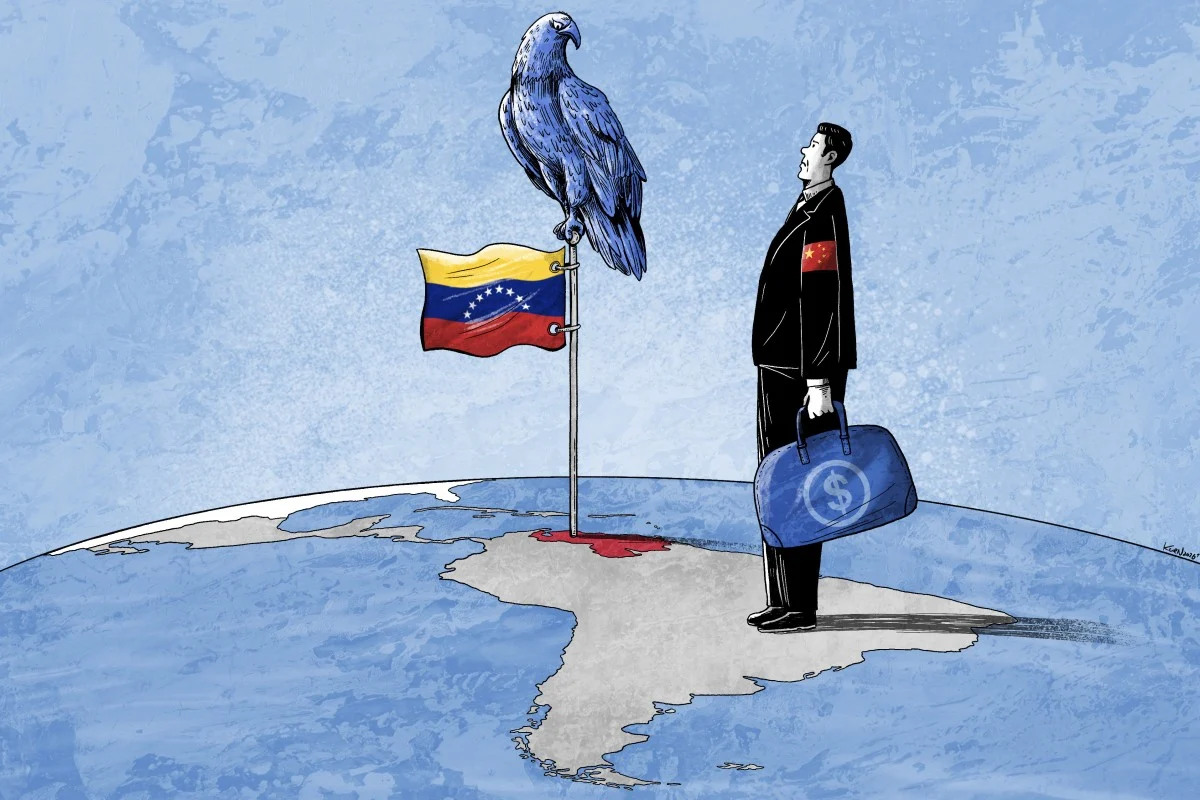
China’s businesses with operations across Latin America are reassessing their prospects after a dramatic shift in the region’s political landscape following a United States military operation that removed Venezuelan president Nicolás Maduro. While many Chinese entrepreneurs say they are staying put, broader questions are emerging about how Beijing-linked firms will navigate geopolitical risk and whether they can still cash in on opportunities in a market long shaped by Chinese investment and trade.
For more than two decades China has deepened its economic footprint in Latin America, drawing on trade, loans, infrastructure projects and energy ties to build influence from Brazil to Peru and Venezuela. Chinese investment has helped fund ports, mining projects, railways and energy infrastructure, and countries across the region have come to rely on China as a major source of capital and trade.
The recent political upheaval, particularly in Venezuela, has sent shockwaves through this dynamic. The ousting of Maduro and Washington’s high-profile intervention were widely interpreted by analysts and local business leaders as a clear signal from the United States that its hemisphere remains a strategic priority and that foreign powers, particularly China, must contend with heightened scrutiny.
Despite this, executives from Chinese firms operating in Latin America say they are not yet retreating. Many have established long-term stakes in sectors such as energy, minerals and consumer goods, and views among business leaders interviewed in recent reporting suggest they are treating the situation as a risk management challenge rather than a moment to withdraw. They note that Latin American markets are diverse, and each country requires a tailored approach rather than a one-size-fits-all response.
Still, the environment in which these firms operate is becoming more complex. Washington’s renewed focus on countering Chinese influence in the region puts pressure on local governments to balance economic ties with Beijing against security and diplomatic considerations tied to the United States. This could lead to tighter screening of Chinese investment, especially in strategic sectors, and greater alignment with US-led initiatives.
Economic fundamentals continue to draw Chinese capital, particularly for commodities, clean energy projects and infrastructure that support resource export. Latin American countries remain important suppliers of soybeans, copper, lithium and other inputs vital to China’s manufacturing and energy transition strategies. Analysts say this structural economic link is unlikely to disappear, even amid geopolitical shifts.
Chinese firms may also find opportunities in emerging sectors such as electric vehicles and technology financing, building on decades of cooperation in the region. The focus, experts say, is shifting from simply expanding footprint to managing risk and adapting business models to a more competitive and politically sensitive context.
At the same time, lingering uncertainties remain about how political developments will shape future investment. The capture of a sitting Venezuelan president by foreign forces has underscored both the limits of China’s leverage and the risks that firms face when their interests are tied to volatile politics. For many Chinese companies, the priority now is resilience and responsiveness rather than rapid expansion or exiting the region entirely.