News
China and Canada Look to Rebuild Trade Links as US Tariffs Prompt Strategic Shift

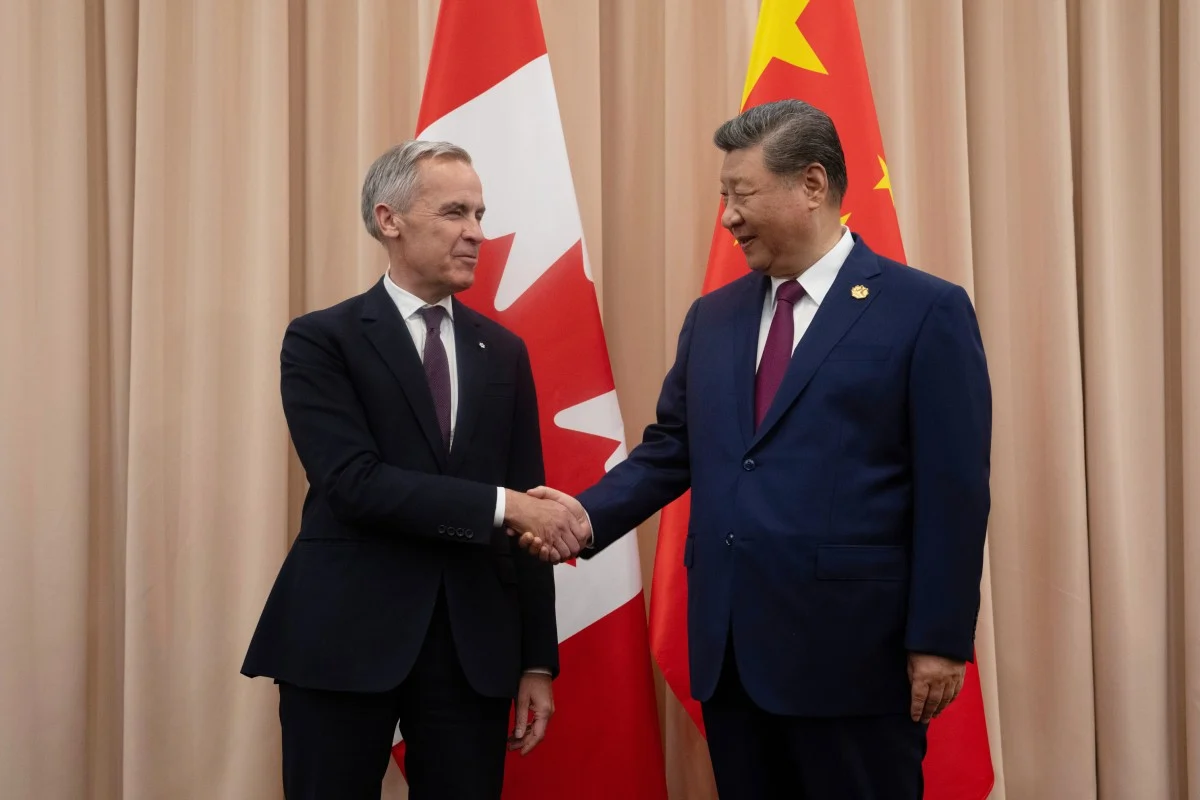
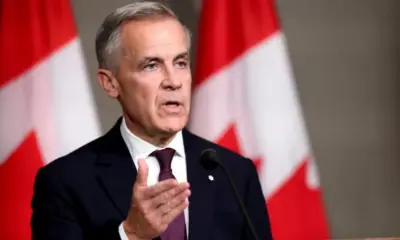
China and Canada appear to be exploring a reset in their strained trade relationship as both countries reassess their economic dependence on the United States in the wake of renewed tariff pressures under President Donald Trump. The shift comes as Canadian Prime Minister Mark Carney visits Beijing this week, signaling a possible thaw after years of diplomatic and commercial tension.
For much of the past decade, relations between China and Canada have been overshadowed by political disputes and competing strategic alignments. Trade ties suffered as trust eroded, with both sides becoming increasingly cautious. However, recent global economic shifts and rising uncertainty in US trade policy are prompting Ottawa and Beijing to reconsider the value of pragmatic engagement.
Canada’s export profile to China highlights why renewed dialogue matters. Crude oil, copper, iron ore, and other raw materials have become central to bilateral trade, reflecting China’s continued demand for energy and industrial inputs. While the United States has historically been Canada’s largest trading partner, new and potential tariffs are forcing policymakers in Ottawa to diversify export destinations and reduce exposure to political risk south of the border.
Prime Minister Carney’s visit is widely seen as an effort to reopen channels that have remained largely dormant. Canadian officials say the aim is not to replace existing partnerships but to rebalance them. With global supply chains under strain and economic nationalism on the rise, Canada is seeking more predictable and stable trade relationships, particularly in Asia.
From Beijing’s perspective, improving ties with Canada also serves a broader strategic purpose. China has been working to strengthen economic links with middle powers as relations with Washington remain volatile. Canadian resources are attractive to Chinese industries seeking long-term supply security, especially as geopolitical frictions complicate access to certain global markets.
Analysts note that both sides are proceeding cautiously. Political differences have not disappeared, and public opinion in Canada remains divided over closer engagement with China. Issues related to national security, investment screening, and human rights continue to influence the debate. Still, economic realities are creating space for dialogue that was largely absent in recent years.
The timing of the talks reflects a changing global environment. Trump’s tariff-driven approach to trade has revived concerns among US allies about overreliance on the American market. For Canada, the lesson has been clear: diversification is no longer optional. Strengthening trade with China, despite its complexities, offers one avenue to cushion potential economic shocks.
Officials on both sides emphasize that any reset will be gradual. Initial discussions are expected to focus on trade facilitation, energy exports, and critical minerals rather than sweeping agreements. Even modest progress, however, would mark a significant shift after years of stagnation.
As global trade becomes more fragmented, China and Canada appear willing to test whether economic pragmatism can outweigh past grievances. The coming months will reveal whether this renewed engagement leads to tangible outcomes or remains a cautious experiment shaped by a rapidly changing world economy.