
News
Chile Shifts Sharply to the Right as José Antonio Kast Wins Presidential Election

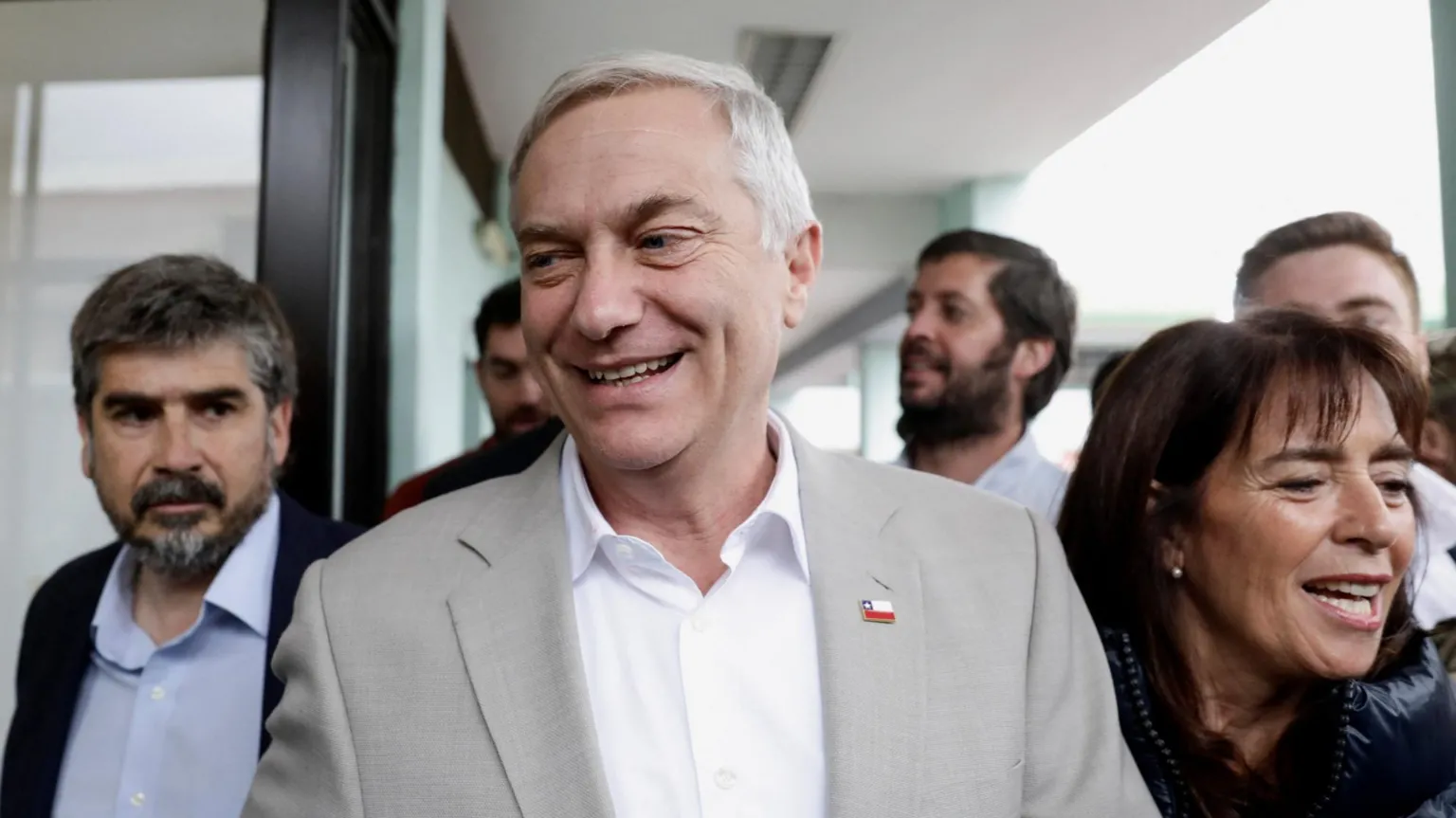
Chile has elected far right politician José Antonio Kast as its next president, marking a dramatic political shift after an election campaign dominated by concerns over crime, security, and immigration.
Kast secured a decisive victory over the governing left wing coalition’s candidate Jeanette Jara, winning more than 58 percent of the vote. It was his third attempt at the presidency and represents the most significant move to the right in Chilean politics since the end of the military dictatorship in 1990.
The result reflects widespread public anxiety about rising crime and insecurity, issues Kast placed at the center of his campaign. Throughout the race, he portrayed Chile as a country sliding into disorder and pledged tough measures to restore what he described as safety and national pride. His message resonated strongly with voters frustrated by economic uncertainty and fears over public safety.
In his first speech as president elect, Kast struck a defiant tone. Addressing cheering supporters, he promised a crackdown on criminals and vowed that Chile would once again be free from fear. He said offenders would be pursued, judged, and imprisoned, signaling a hardline approach to law enforcement that became the cornerstone of his campaign.
Celebrations erupted among his supporters in the capital Santiago as results were confirmed. Many waved Chilean flags, took selfies, and wore campaign slogans inspired by US politics. Some backers said they felt the country had lost a sense of security in recent years and believed Kast was the leader who could restore order.
Supporters interviewed at the gathering spoke of longing for a return to what they saw as safer times. Several said walking freely in the streets had become increasingly difficult due to crime and that Kast’s promises offered hope. Others framed his victory as a recovery of patriotism and national identity.
Kast’s rise has also stirred controversy. He has openly praised former military ruler Augusto Pinochet, whose dictatorship left deep scars through widespread human rights abuses. Critics fear Kast’s admiration for the era signals a willingness to weaken democratic institutions and civil liberties in the name of security.
During the campaign, Kast proposed sweeping changes, including sharp cuts to public spending, stricter controls on immigration, and an aggressive response to crime. He pledged to build a border wall along Chile’s northern frontier with Peru and Bolivia, expand maximum security prisons, and deport large numbers of undocumented migrants, many of whom have arrived from Venezuela in recent years.
Kast is also a vocal admirer of Donald Trump, and his political style and rhetoric closely mirror that of the former US president. Analysts expect him to seek closer ties with Trump, should he return to power, positioning Chile alongside conservative governments focused on nationalism and tough border policies.
For Chile, a country long seen as one of Latin America’s more stable democracies, the election marks a turning point. While supporters celebrate what they see as a mandate for law and order, opponents warn that the shift could deepen divisions and roll back hard won democratic gains.
As Kast prepares to take office, attention will now turn to whether he can deliver on his security promises without undermining democratic norms. The election has revealed a country deeply divided, with hope, fear, and frustration all shaping Chile’s political future.



