Politics
Birmingham Council Leader Faces Parliamentary Scrutiny

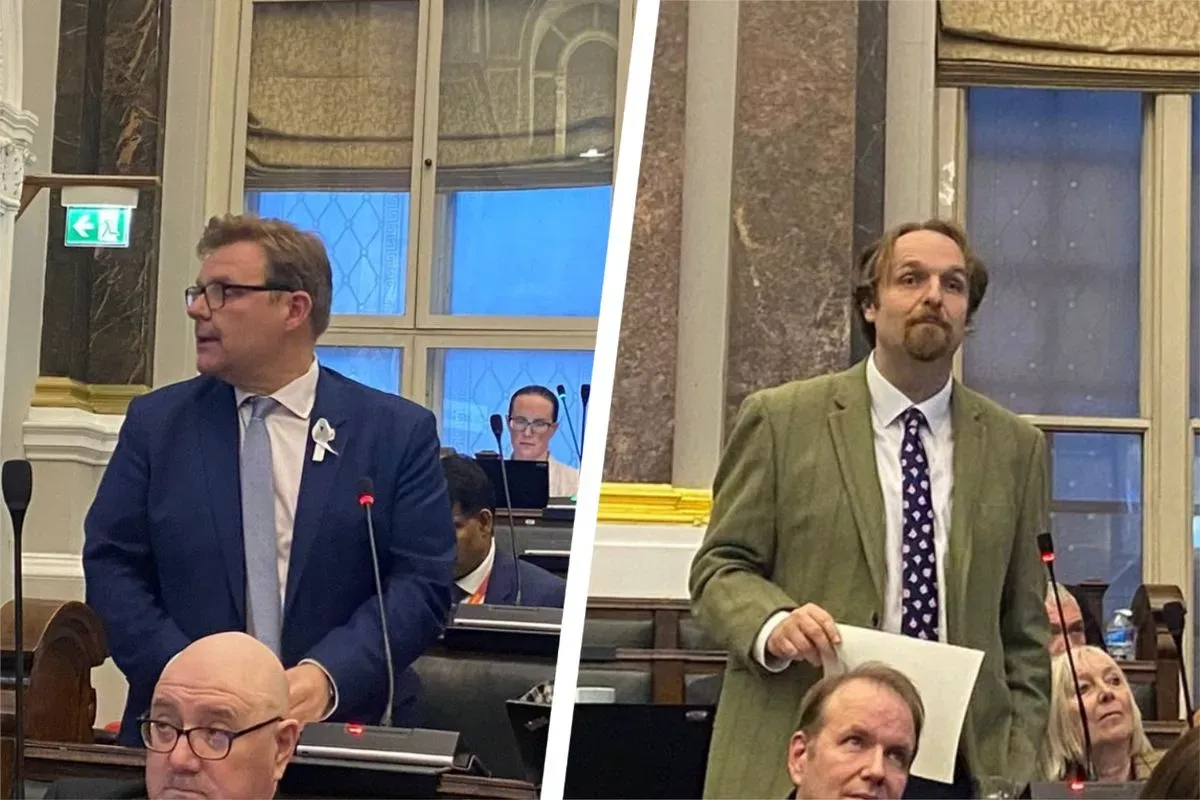
A senior local authority figure is set to face questions from MPs following a controversial decision that prevented Israeli football fans from attending a European match in England. Birmingham’s council leader has been summoned to give evidence to Parliament over the ban on supporters of Maccabi Tel Aviv from an away fixture against Aston Villa. The move has sparked a national debate around public safety, discrimination, and accountability in decision making by local authorities and police.
Decision That Sparked National Attention
The ban was enforced ahead of a Europa League match at Villa Park in November, when away fans were prevented from attending due to safety concerns. The decision was taken by a safety advisory group involving Birmingham City Council and West Midlands Police. Officials cited risks linked to public disorder and the wider geopolitical climate as reasons for restricting attendance.
However, the decision quickly became controversial, with critics arguing that it unfairly targeted a specific group of supporters and set a troubling precedent. Supporters of the ban maintain it was a proportionate response to intelligence assessments at the time, while opponents argue that collective punishment undermines principles of fairness and inclusion.
MPs Step In to Examine the Process
The Home Affairs Committee has now launched an inquiry into how the decision was made. The committee, which oversees matters related to policing, public safety, and civil liberties, is examining whether the ban was justified and whether proper procedures were followed.
By calling Birmingham’s council leader to give evidence, MPs are signalling that the issue goes beyond football. The inquiry aims to establish how local authorities balance security concerns with the rights of individuals, particularly when decisions have cultural or international sensitivities.
Role of Police and Safety Advisory Groups
Safety advisory groups play a central role in assessing risks around major sporting events. They bring together councils, police, emergency services, and stadium operators to evaluate crowd management, transport, and potential threats. Their recommendations often carry significant weight, but they are not immune from scrutiny.
In this case, questions are being raised about the evidence used to justify the ban and whether alternative measures could have been put in place. Critics argue that increased policing or ticket restrictions may have addressed concerns without excluding an entire group of supporters.
Wider Political and Community Implications
The controversy has resonated beyond Birmingham. Jewish groups and civil liberties advocates have expressed concern that the ban could be perceived as discriminatory, regardless of intent. Others worry that allowing geopolitical tensions to influence domestic policing decisions risks deepening divisions within communities.
For local government leaders, the case highlights the difficulty of navigating complex risk assessments under intense public scrutiny. Decisions made in the name of safety can quickly become political flashpoints, particularly when transparency is limited.
Accountability Under the Spotlight
The council leader’s appearance before MPs will place local decision making under a national microscope. Lawmakers are expected to question how accountability is maintained when councils and police act jointly, and who ultimately bears responsibility when decisions prove controversial.
The outcome of the inquiry could influence how future high risk events are managed, particularly those involving international teams or sensitive political contexts. Clearer guidance or stronger oversight mechanisms may emerge as a result.
A Test Case for Future Policy
This case is being closely watched by football authorities, councils, and policing bodies across the country. It raises fundamental questions about proportionality, evidence based decision making, and the rights of supporters.
As parliamentary scrutiny continues, the evidence given by Birmingham’s council leader may shape not only public understanding of this specific ban, but also how similar situations are handled in the future. The debate underscores the challenge of ensuring public safety without compromising principles of fairness and equal treatment.