News
BBC journalists reportedly advised on wording over US role in Venezuelan raid

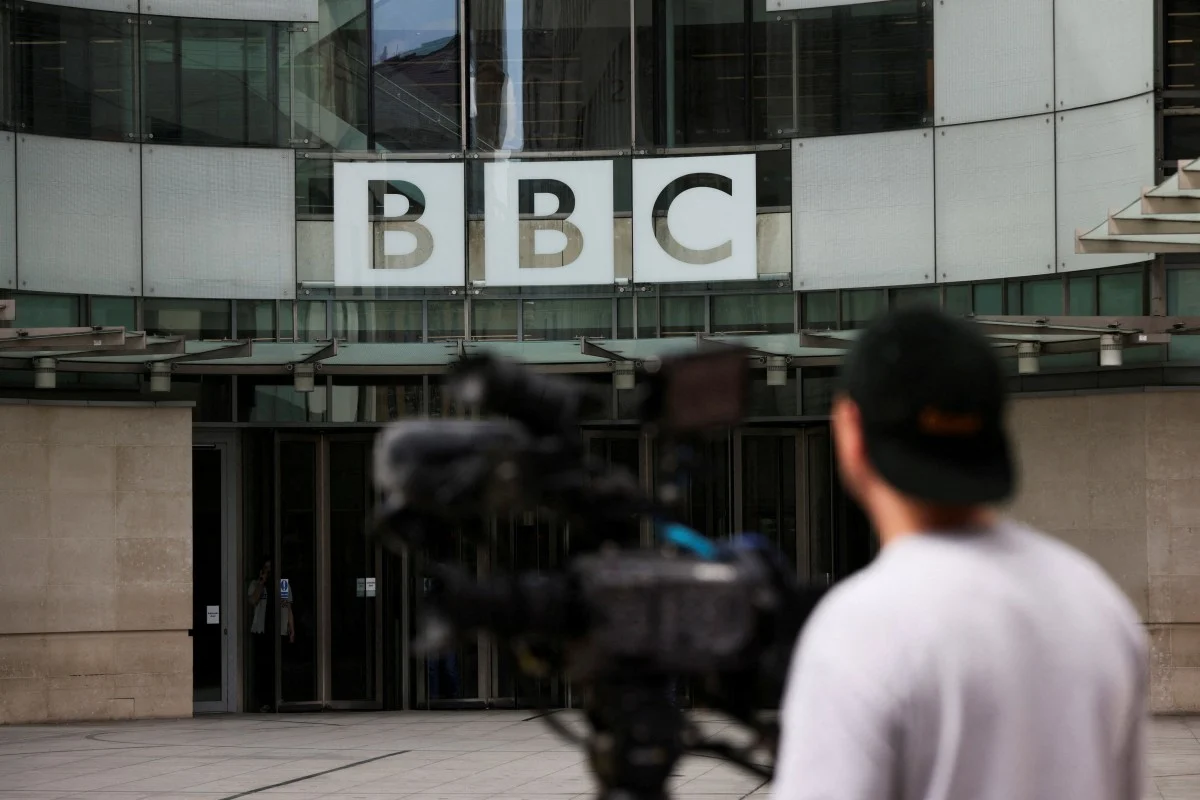
Journalists working for the BBC have reportedly been instructed to avoid using the term kidnapped when describing the removal of Venezuelan leader Nicolás Maduro during a recent military operation involving the United States. According to accounts from staff familiar with the matter, an internal memo circulated within the broadcaster offered guidance on language choices to be used in coverage of the incident.
The memo is said to recommend the word captured when referencing the United States’ own description of the operation, while urging caution over terminology that could imply illegality or moral judgment before facts are fully established. The guidance reflects longstanding editorial practices at the BBC, which emphasise precision and neutrality, particularly when reporting on contested international events.
The reported instruction has sparked debate among media observers and journalists, with critics arguing that such language guidance risks shaping public perception by aligning too closely with official narratives. Supporters, however, say the approach is consistent with the BBC’s responsibility to distinguish between verified facts and politically charged characterisations, especially in fast moving geopolitical situations.
The operation in Venezuela has drawn global attention and divided opinion. US officials described the raid as a lawful military action, while Venezuelan authorities and some international observers characterised it as a violation of sovereignty. The question of whether Maduro was kidnapped or captured sits at the heart of this dispute, highlighting how terminology can influence how audiences interpret events.
Within the BBC, editorial guidelines typically stress the importance of attribution. Journalists are encouraged to clearly state who is making a claim and to avoid adopting loaded terms as statements of fact. In this case, staff were reportedly told that if the word captured was used, it should be explicitly attributed to the US position, while alternative descriptions could be included when attributed to other sources.
Media analysts note that such internal discussions are common in major news organisations, particularly during international crises. Decisions about wording can have significant legal and diplomatic implications, and broadcasters often seek to minimise the risk of appearing to take sides.
The reported memo comes at a time of heightened scrutiny of public broadcasters and their role in covering conflicts involving major powers. The BBC, funded by licence fee payers and operating under a public service mandate, has long faced criticism from across the political spectrum, with different groups accusing it of bias in opposite directions.
For journalists on the ground and in newsrooms, the episode underscores the challenges of reporting on events where facts, interpretations and political interests collide. While internal guidance may aim to ensure consistency and accuracy, it can also raise questions about editorial independence and transparency.
As the situation in Venezuela continues to unfold, coverage by international media is likely to remain under close watch. The debate over language at the BBC highlights a broader issue confronting global news organisations, namely how to report clearly and responsibly when even a single word can carry heavy political weight.