
News
Barbican Tower Plans Reduced After Resident Backlash but Critics Remain Unconvinced

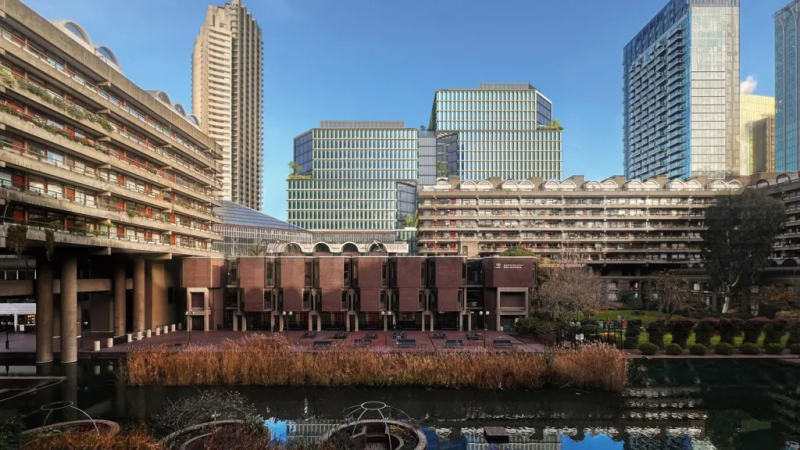
Developers behind a major office scheme opposite the Barbican have scaled back their proposals following strong opposition from residents, though campaigners argue the revisions fail to address core concerns about height and impact on the surrounding estate.
The 1 Silk Street development, led by LaSalle Investment Management and Lipton Rogers with designs by Skidmore, Owings and Merrill, originally proposed demolishing the former Linklaters building and replacing it with two towers rising 20 storeys above ground level. The plans triggered around 1,000 objections, with many residents describing the scheme as overpowering and out of character with the historic Barbican complex.
Under revised proposals, the western tower has been reduced by three storeys, bringing it down to 17 storeys. The eastern tower remains at 20 storeys. Developers say the changes represent substantial revisions that respond directly to community feedback.
According to the project team, the reduction in height will significantly limit the loss of daylight to neighbouring homes, particularly Speed House and Cromwell Tower, which sit close to the proposed site. The amended scheme also includes a five percent reduction in overall office floorspace compared with the original submission.
Despite the adjustments, campaign group Barbican Quarter Action has criticised the revisions as insufficient. Representatives argue that while any reduction in height is welcome, the development would still rise above the existing building and continue to affect residents’ light and privacy.
Opponents say the scheme risks undermining the architectural character of the Barbican estate, which is widely regarded as one of London’s most significant examples of brutalist design. They have pointed to nearby developments that, in their view, better balance commercial objectives with sensitivity to context and civic identity.
Developers maintain that the updated plans strike a more appropriate balance between economic growth and community benefit. They say the project will enhance public access, improve pedestrian routes around Silk Street and contribute to the cultural and commercial vitality of the City of London.
Supporters of the scheme argue that modern office space is essential to maintain the Square Mile’s competitiveness as a global financial centre. They say new developments must adapt to changing workplace demands while contributing to the public realm.
The proposal forms part of wider regeneration ambitions in the area, as the City of London seeks to attract investment and modernise its office stock. However, concerns about scale, overshadowing and the cumulative impact of high rise projects near residential communities continue to shape debate.
A planning decision on the revised application will determine whether the scaled back design satisfies both heritage considerations and the City’s economic priorities.



