Politics
Badenoch says US action in Venezuela was morally justified but legally troubling

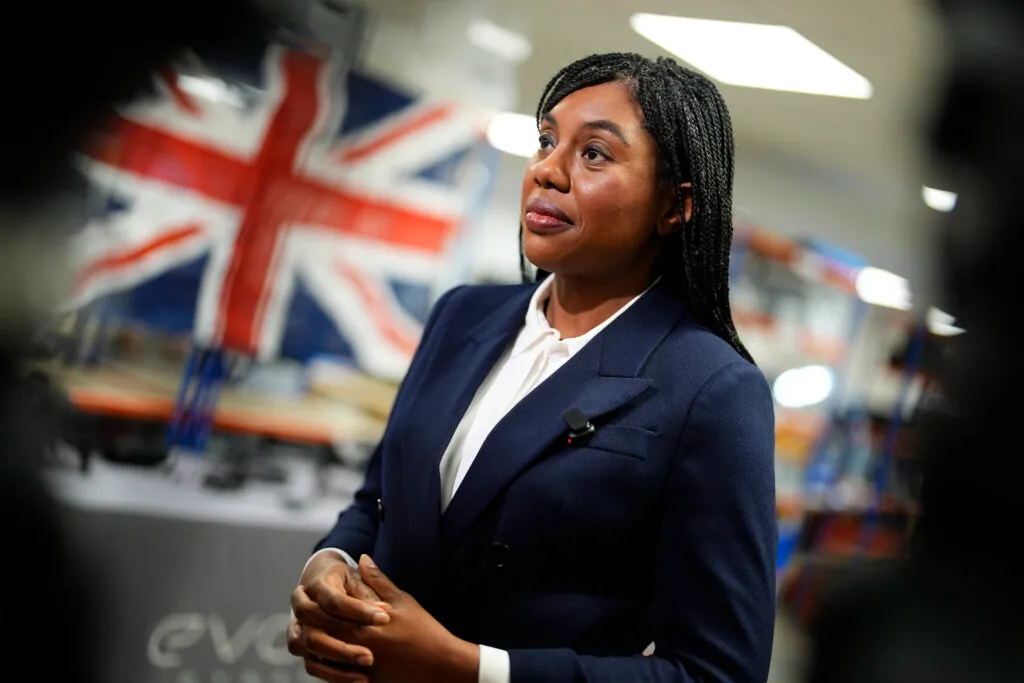
Kemi Badenoch has said the United States was morally right to remove Venezuela’s president, even as she raised doubts about the legal justification for the operation. Speaking after confirmation that Nicolás Maduro had been forced from power, Badenoch said she was glad to see the end of what she described as a brutal regime. However, she made clear that moral approval did not automatically translate into legal clarity.
Badenoch said she did not fully understand the legal basis under which US President Donald Trump authorised the action. While supporting the outcome, she warned that the intervention raised serious questions about the future of the international rules based order, a system that relies on shared legal principles rather than unilateral force.
A cautious UK government response
The UK government has so far avoided directly criticising the US action or stating whether it breached international law. Instead, ministers have focused on Maduro’s legitimacy, arguing that he was not a lawful president and had lost democratic authority long before the intervention. This position allows the government to acknowledge concerns about Venezuela’s leadership without explicitly endorsing the military operation itself.
Officials have been careful in their language, reflecting the sensitivity of balancing relations with Washington while upholding international norms. By framing Maduro as illegitimate, the government appears to be sidestepping the more difficult question of whether the removal of a foreign leader by force sets a dangerous precedent.
Divisions across British politics
Badenoch’s comments highlight growing divisions within UK politics over how to respond to the US action. While she emphasised the moral case against Maduro, opposition parties have taken a more critical stance. Labour MPs, along with the Liberal Democrats, Green Party, and SNP, have called on the government to condemn the operation and label it illegal.
Critics argue that failing to challenge the legality of the action risks weakening international law. They warn that selective enforcement of legal principles could encourage powerful nations to bypass established frameworks when it suits their interests. For them, opposing Maduro’s rule does not justify ignoring legal constraints.
Morality versus international law
The debate reflects a long standing tension in foreign policy between moral judgement and legal process. Supporters of the US action argue that Maduro’s government oversaw widespread repression, economic collapse, and human rights abuses, leaving few ethical alternatives. From this perspective, removing him was an act of justice rather than aggression.
Opponents counter that international law exists precisely to prevent such unilateral actions, regardless of how objectionable a regime may be. They argue that allowing moral arguments to override legal standards undermines the predictability and stability that the global system depends on.
Implications for the rules based order
Badenoch’s warning about the rules based order suggests concern beyond Venezuela itself. If major powers act without clear legal authority, smaller nations may feel less bound by international agreements. This could weaken institutions designed to manage conflict and increase the risk of future interventions justified on subjective moral grounds.
The UK’s restrained response indicates awareness of these risks. By neither fully endorsing nor condemning the US move, the government appears to be keeping its options open while watching how the international community reacts.
A debate unlikely to fade quickly
As more details emerge about the operation and its aftermath, pressure on the UK government to clarify its position is likely to grow. The situation has forced politicians to confront uncomfortable questions about where moral responsibility ends and legal obligation begins.
Badenoch’s remarks capture this dilemma. She welcomed the removal of a leader she viewed as illegitimate and brutal, yet acknowledged that the method used to achieve that outcome could challenge the very principles Britain claims to defend. How this balance is resolved may shape future UK responses to international crises.