Tech
Artificial Intelligence Helps Farmers Target Weeds With Precision

A New Approach to an Old Farming Problem
Farmers have long struggled with weeds that compete with crops for nutrients, sunlight, and space. One of the most persistent challenges in the UK is black grass, a fast spreading weed that has proven difficult to control using traditional methods. Now, researchers are testing how artificial intelligence can help farmers spot and manage weeds more effectively, potentially transforming how crops are protected and how chemicals are used in agriculture.
How AI Powered Sprayers Work
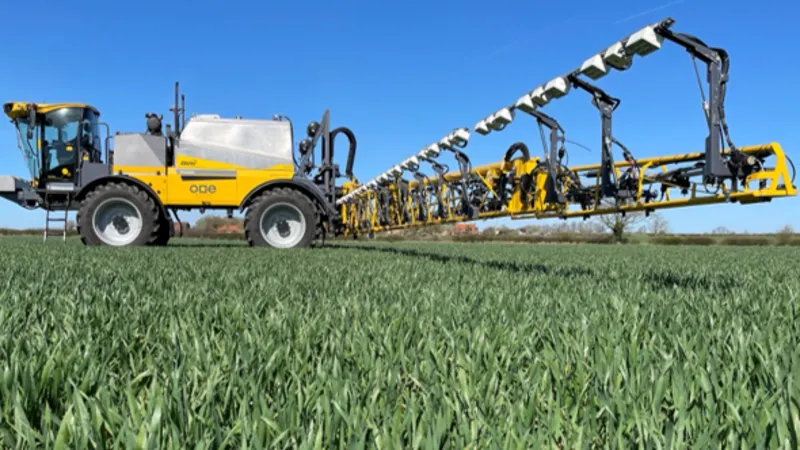
The trial is being led by Rothamsted Research, a long established agricultural research centre based in Harpenden, Hertfordshire. Scientists have fitted cameras to crop sprayers that scan fields as machinery moves across them. These cameras feed images into an artificial intelligence system trained to recognize black grass plants at different stages of growth. When the system detects the weed, it signals the sprayer to apply herbicide only to the affected areas rather than across the entire field.
Precision Spraying Reduces Chemical Use
One of the main advantages of the system is its ability to deliver herbicide with greater accuracy. Instead of blanket spraying, which treats weeds and healthy crops alike, the AI guided approach targets specific patches. This reduces the overall volume of chemicals applied and limits unnecessary exposure for crops and surrounding ecosystems. For farmers, this can translate into lower costs and improved environmental outcomes.
Tackling Black Grass More Effectively
Black grass has become a major concern for cereal growers because it spreads quickly and has developed resistance to some commonly used herbicides. Dr David Comont, an evolutionary ecologist at Rothamsted Research, said the project brings together decades of scientific understanding about the weed with modern computing power. By combining long term research with real time detection, the system offers a more adaptable response to a problem that has frustrated farmers for years.
From Research Knowledge to Field Technology
Rothamsted’s work on black grass spans many years of field studies and laboratory research. This deep understanding of the weed’s biology has helped scientists train the AI to recognize subtle differences between crops and unwanted plants. The result is a system that does not rely solely on generic image recognition but reflects specific agricultural expertise embedded into the technology.
Benefits Beyond Weed Control
The implications of this approach extend beyond managing black grass alone. Precision spraying supported by AI could help address broader concerns around sustainable farming. Reducing chemical use supports soil health, protects beneficial insects, and lowers the risk of pollution in nearby water sources. It also aligns with policy goals aimed at making agriculture more environmentally responsible while maintaining productivity.
Challenges to Wider Adoption
Despite its promise, the technology faces hurdles before widespread use. Farmers would need access to compatible machinery, reliable software support, and training to integrate AI systems into everyday operations. Cost remains a consideration, particularly for smaller farms. Researchers also note that systems must perform reliably in varying weather, lighting, and crop conditions to be practical on a large scale.
A Sign of Agriculture’s Digital Shift
The trial reflects a broader trend toward digital and data driven agriculture. Artificial intelligence, sensors, and automation are increasingly being used to optimize planting, irrigation, and pest control. These tools aim to make farming more precise rather than more intensive, allowing growers to respond to conditions as they appear rather than applying uniform treatments.
Looking Ahead for Smart Farming
Rothamsted Research believes the AI weed detection project demonstrates how scientific knowledge and modern technology can work together to solve long standing agricultural problems. If developed further, systems like this could help farmers protect yields, reduce costs, and farm more sustainably. The trial offers a glimpse of how artificial intelligence may become a practical partner in fields as well as laboratories.