Business
A Swiss City Experiments With Everyday Bitcoin Payments

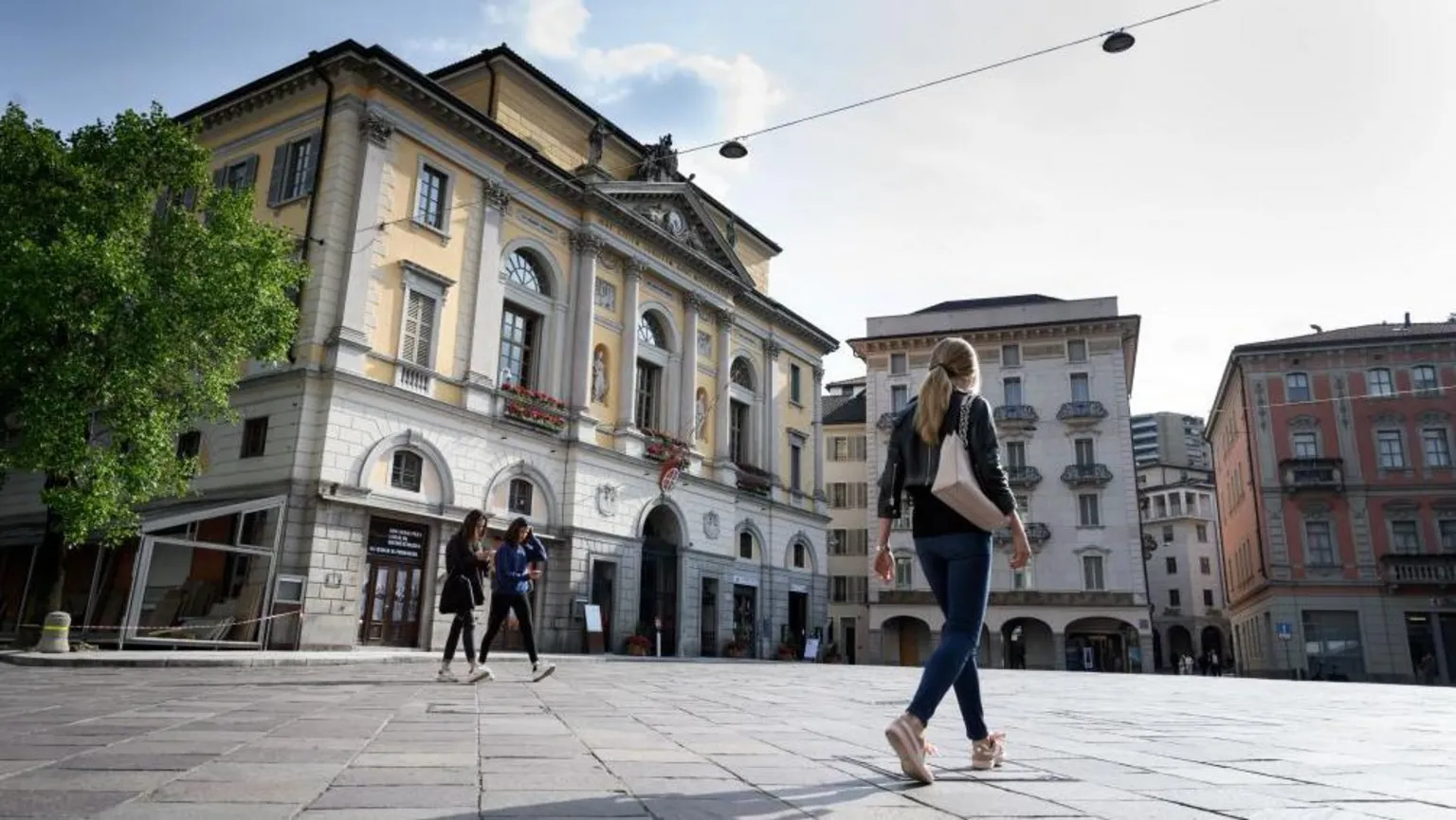
In the picturesque Swiss city of Lugano, the idea of paying for everyday items with bitcoin is not a futuristic concept but a reality. The city has quietly become one of Europe’s most active testing grounds for cryptocurrency adoption, blending traditional Alpine charm with a modern experiment in digital finance. Inside a McDonald’s by the lakeside, where mountains frame the skyline, a customer casually asks whether he can use bitcoin to buy his morning coffee. The cashier presents a terminal that looks like any card reader, but it is designed specifically to accept crypto payments. Scenes like this reveal how Lugano is redefining how cryptocurrencies function in daily life.
How Lugano’s Bitcoin System Works
The cryptocurrency payment terminals found in shops and restaurants across the city are part of a programme launched by the local authority. The devices were distributed at no cost to businesses, removing a major barrier to adoption. Customers pay contactlessly using a bitcoin wallet on their mobile phones. In the McDonald’s example, the total cost of the drink translates to a tiny fraction of a bitcoin, yet the process feels as seamless as tapping a debit card. For most crypto holders, bitcoin is still viewed as a long term investment rather than a transactional currency, but Lugano is attempting to bridge that gap by making everyday payments effortless and accessible.
Expanding Crypto Acceptance Across The City
More than three hundred and fifty shops and restaurants now accept bitcoin alongside the Swiss franc. Even municipal services have joined the shift. Residents can pay for services such as pre school childcare using cryptocurrency, a decision that signals how deeply the city’s administration is committing to digital alternatives. This elevated level of participation stands out in a global landscape where many cities remain cautious about incorporating crypto into public services. Lugano, however, sees the integration as a way to position itself as a forward looking innovation hub capable of attracting tech minded residents and investors.
What Locals And Visitors Think About Paying With Bitcoin
Among those embracing the system is Nicolas, a visitor from France, who describes himself as a strong believer in the philosophy behind bitcoin. For him, the appeal goes beyond convenience. He sees bitcoin as a form of financial independence that avoids traditional banking intermediaries. During his stay in Switzerland he discovered bitcoin gift cards, which allow users to buy a prepaid amount in Swiss francs and convert it into cryptocurrency on their phones. These cards provide an easy entry point for newcomers and demonstrate how retailers are experimenting with user friendly solutions to increase crypto engagement.
Why Some Businesses Are Adopting Bitcoin
Retailers in Lugano are still seeing only modest adoption, but many view bitcoin as a long term opportunity. In a luxury shop called Vintage Nassa, which sells high end bags and watches, owner Cherubino Fry explains that bitcoin payments cost him less in fees than traditional card transactions. Crypto fees tend to remain below one percent, while debit card charges can approach one point seven percent and credit card fees can climb even higher. For small businesses and luxury sellers alike, the difference in cost is significant. Although bitcoin transactions remain sporadic, Fry believes that usage will expand steadily and that, like a tree, the system will grow larger over the next decade.
Lugano’s Experiment And The Future Of Crypto Payments
Lugano’s approach represents a bold experiment in transforming cryptocurrency from an investment vehicle into a practical everyday tool. While adoption is still slow, the city has established the infrastructure needed for long term growth, relying on both technological readiness and a population willing to explore new forms of payment. Whether bitcoin becomes a widely used currency or remains a niche alternative, Lugano’s model provides valuable insights into how cities can integrate digital financial systems into daily life. As crypto evolves, urban experiments like this may shape the future direction of global payments.