Tech
A landmark AI licensing deal sparks unease in creative industries

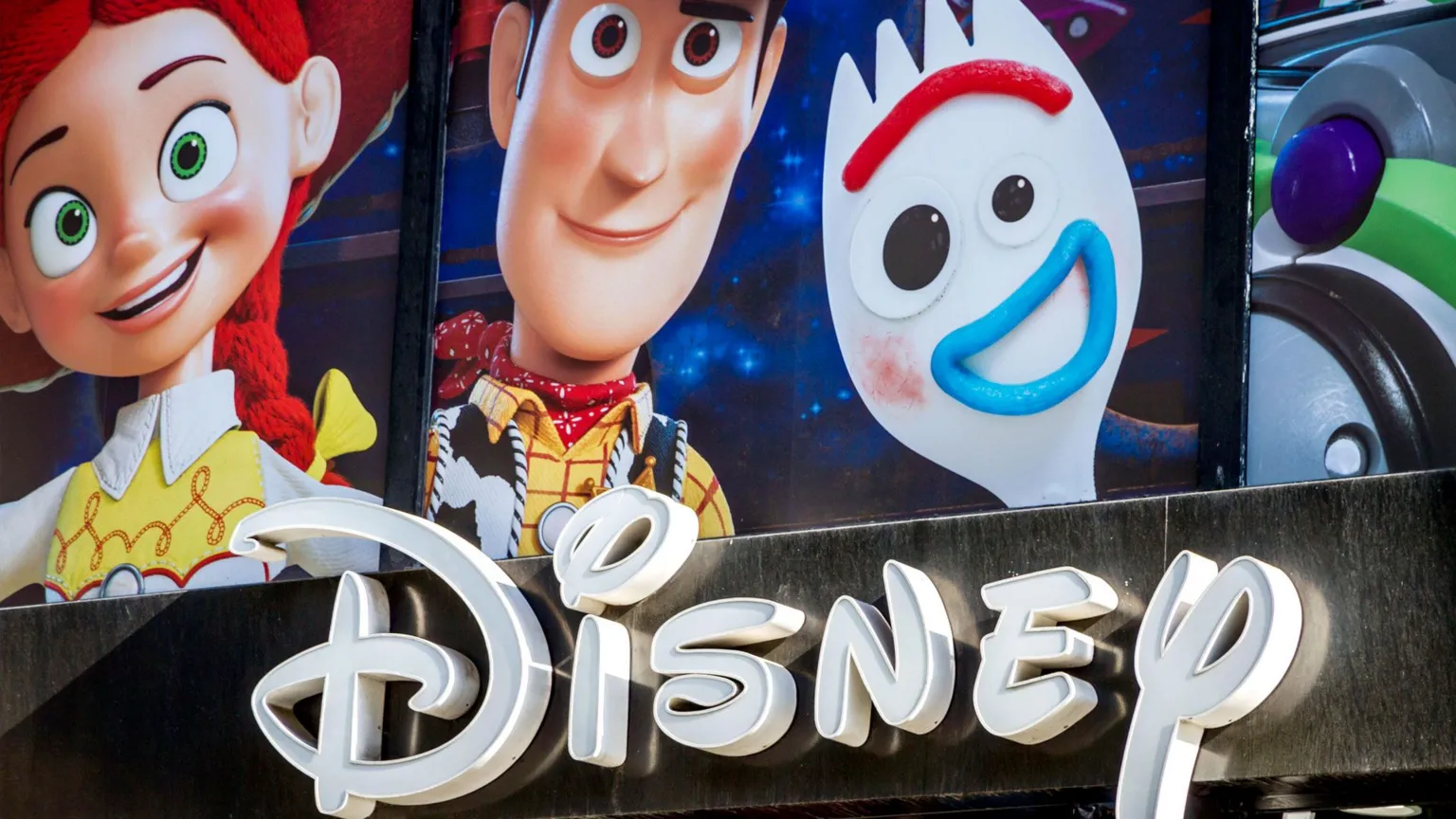
A major agreement between OpenAI and Disney has triggered deep concern across the creative industries, with unions warning that the deal could reshape how creative work is produced, owned, and valued. The one billion dollar agreement will allow OpenAI to use parts of Disney’s vast catalogue to bring well known characters into its AI tools, including ChatGPT and the video generation platform Sora. While the partnership is being framed as an innovation milestone, many artists and performers fear it could weaken protections for human creativity.
What the OpenAI Disney deal involves
Under the agreement, Disney becomes the first major Hollywood studio to formally license elements of its intellectual property to OpenAI. Fans will be able to generate and share images and videos featuring more than two hundred characters from Disney’s portfolio. This includes globally recognized franchises such as Pixar, Marvel, and Star Wars. The content will be produced using OpenAI’s systems, which are designed to create text, images, and video based on user prompts.
For technology firms, the deal represents a step toward legitimizing AI generated entertainment. For Disney, it opens new ways to engage fans and monetize its characters in digital spaces that are growing rapidly.
Anxiety among performers and creators
Despite the commercial appeal, the reaction from creative workers has been largely cautious. Sag Aftra, the union representing actors, voice artists, and other performers, said the deal has caused widespread anxiety. Executive director Duncan Crabtree Ireland said there is real concern about what the agreement means for creative talent. Many fear that AI tools trained or powered by licensed characters could reduce demand for human performers, writers, and designers.
The concern is not only about job losses but also about creative control. Artists worry their work could be replicated, altered, or extended by AI systems without meaningful involvement or long term compensation.
A shift in power dynamics
The deal highlights a broader shift in the entertainment industry where large technology companies are gaining influence over how stories and characters are produced and distributed. Traditionally, creative workers negotiated directly with studios over pay, credit, and usage rights. AI platforms add a new layer where content can be endlessly remixed by users, raising questions about who benefits from that value creation.
Unions argue that without strong safeguards, performers could lose leverage as studios rely more heavily on automated tools to generate content at scale.
Lessons from recent industry disputes
The agreement comes not long after high profile strikes in Hollywood, where actors and writers demanded protections against the unregulated use of artificial intelligence. Those disputes centered on fears that studios might use AI to recreate performances or write scripts without proper consent. While the Disney OpenAI deal is licensed, critics say it sets a precedent that could normalize AI generated use of creative assets.
Once major franchises enter these systems, it may be harder for smaller creators to resist similar arrangements.
Innovation versus protection
Supporters of the deal argue that licensed AI use is preferable to unregulated scraping of creative content. By working directly with OpenAI, Disney retains some control over how its characters appear and are used. They say this approach could establish clearer rules and revenue streams in a fast evolving digital environment.
However, unions counter that innovation should not come at the expense of human creativity. They are calling for clearer limits on how AI generated content can replace or imitate real performers and for stronger guarantees that creative workers share in the benefits.
A defining moment for entertainment
The OpenAI Disney partnership may prove to be a turning point for the entertainment industry. It demonstrates how quickly AI is moving from experimental technology into mainstream cultural production. For creative workers, the challenge now is ensuring that technological progress is matched by protections that preserve jobs, credit, and artistic integrity.
As more studios consider similar deals, the balance between innovation and creative rights is likely to become one of the most important debates shaping the future of entertainment.