Politics
James Murray takes over as health chief amid pressure
As health secretary new James Murray replaces Wes Streeting, ministers face NHS waits, staffing, and funding decisions. Live scrutiny and daily Update pressure build.

James Murray: A Profile of the New Secretary
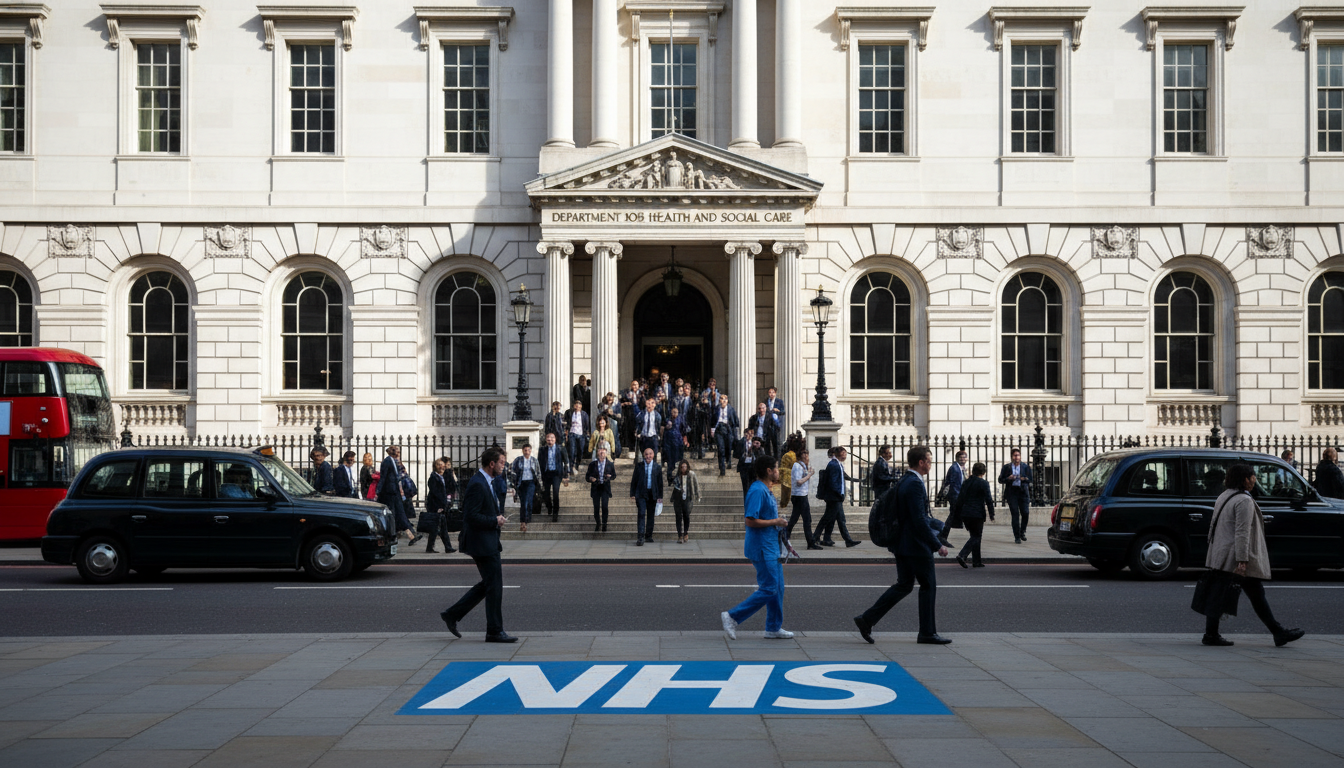
Westminster moved quickly as James Murray arrived at the Department of Health and Social Care with briefings focused on delivery rather than messaging. Today, officials inside the UK Health Ministry described a packed first week of meetings with NHS England leaders and Treasury counterparts, as the minister settles into the role left by Wes Streeting, and the immediate question is what a health secretary new to the top job can do in days, not months, to show control of the agenda. Live scrutiny will be intense because early choices on priorities and comms signal how Murray intends to manage Cabinet expectations. Civil servants said the first internal Update has been to map urgent decisions across workforce, waiting lists, and social care.
Immediate Challenges in UK Healthcare
The most urgent constraint is capacity, with leaders warning that demand is outpacing staffing and estate in multiple regions. Today, Murray is being asked to stabilise day to day performance while also setting a longer term direction for reform. Parliament is already a pressure point, and an official Health Bill page is tracking proceedings and documents at Health Bill, UK Parliament as MPs push ministers for detail. The DHSC must also keep a Live grip on industrial relations, where any misstep can quickly become a front page Update. NHS England’s own public reporting continues to frame the operational challenge facing the new team.
Policy Directions Under Murray’s Leadership
Early signals from colleagues suggest Murray will be judged on whether Health Policy is translated into deliverables that hospitals and GPs can feel quickly. Today, the department is expected to refine near term actions on elective recovery, primary care access, and the interface with local authority social care budgets, areas where accountability often blurs. The political test is whether a health secretary new to leading the brief can impose priorities without triggering constant redesign. Coverage of policy spillover into other services, such as mobility support and eligibility rules, has also sharpened public attention, and a recent related UK case study is outlined in Motability halts black box installs after backlash. Officials said the next internal Update will focus on delivery metrics and ministerial sign off processes, with Live monitoring of risks raised by NHS managers.
Reactions from the Health Sector
In private conversations, health leaders are prioritising clarity on workforce planning, capital spending, and the relationship between ministers and NHS England. Today, several national bodies have urged the UK Health Ministry to avoid short term target churn and instead focus on fixes that reduce bottlenecks, such as diagnostics and discharge. The political context also matters, because Wes Streeting built expectations around visible reform, and stakeholders want to know what changes Murray will keep or drop. An Update on vaccine eligibility debates is also being watched in Parliament, where members track proposals on the public record at Offer MenB vaccine to under 22s, UK Parliament. The core request from providers is a stable set of instructions that can survive media storms, especially when Live service pressures rise over weekends and bank holidays.
Future Outlook: Health Ministry Under Murray
The next few weeks will show whether James Murray Health Secretary can keep control of the timetable while making decisions that survive scrutiny from the Commons and frontline staff. Today, the department’s credibility will rest on whether it can publish clear milestones, avoid mixed messages, and explain trade offs on funding and performance without overstating what can be delivered, with early tests likely to land around weekly NHS performance reporting and Commons questioning. Ministers also face an unforgiving media cycle, where a single bad weekend can reshape narratives, so Live operational visibility will be treated as a governance tool rather than a communications tactic. A major early Update will be how Murray frames accountability between the centre, NHS England, and integrated care boards, because that structure determines who is blamed when waits rise. The UK Health Ministry will be judged on outcomes that patients can see quickly.