Trending
Rising warnings of a new financial crisis ahead
Economists warn a financial crisis could form through debt stress, market fragility and policy limits. Live signals and Update tracking show risks rising Today.

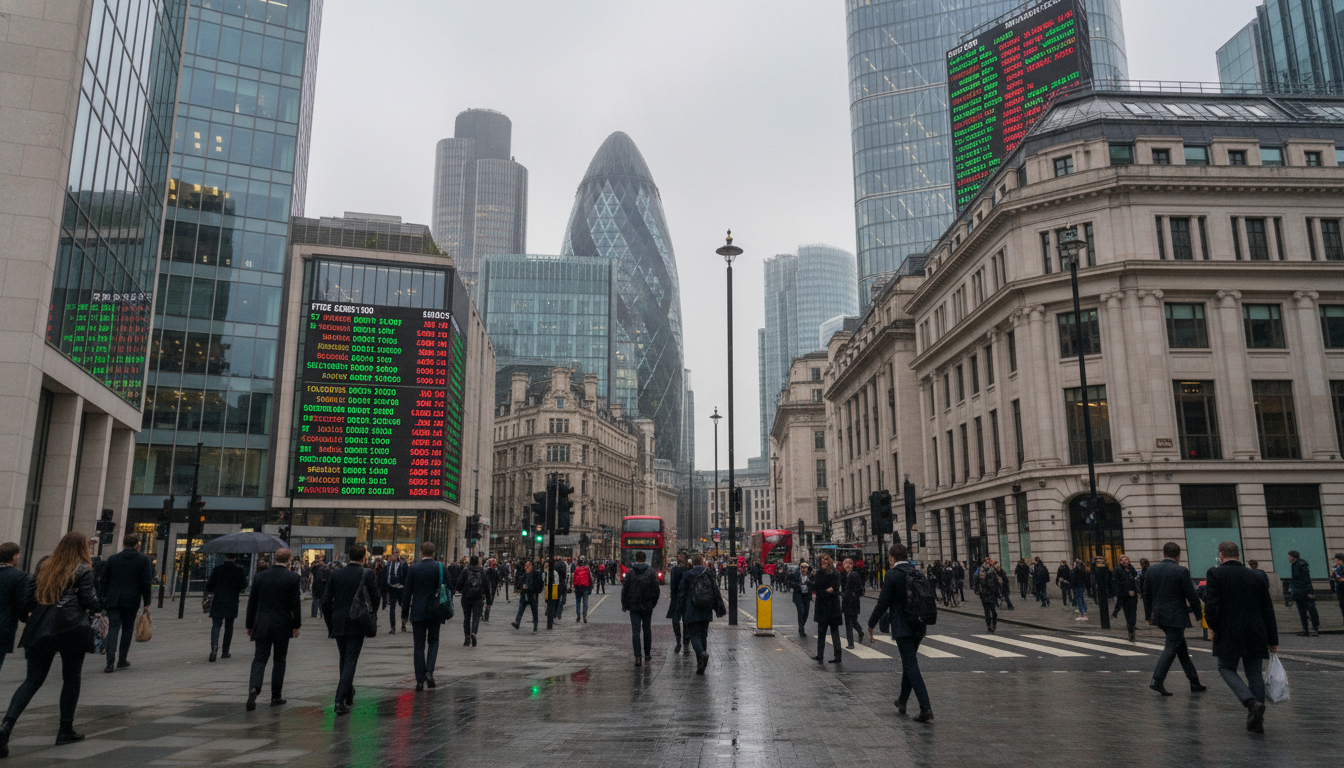
Economists Alert on Potential Crisis
Market watchers are treating recent volatility as more than noise as risk gauges tighten across credit and equities. In televised commentary Today, former US Treasury Secretary Lawrence Summers argued that a cluster of shocks can amplify quickly when confidence slips, and Live pricing in options markets shows investors paying more for protection. Several desks describe the current setup as one where a financial crisis could emerge from multiple smaller breaks instead of a single collapse. An Update from the International Monetary Fund has also stressed that high debt and tighter financial conditions can interact in ways that expose weak borrowers. The immediate story is not panic, it is positioning for faster contagion.
Differences from the 2008 Crisis
The baseline comparison remains the 2008 global financial crisis, yet analysts say the plumbing has changed as banks hold more capital and stress tests are routine. In Live markets Today, the stress is showing up in nonbank finance, private credit and leveraged trades that can unwind sharply when liquidity dries up. A parallel concern is that commodity shocks can now transmit faster into inflation expectations, complicating responses, and for context on oil and policy sensitivity, see BBC analysis on how UAE’s exit could affect Opec influence on oil prices. The macro backdrop also differs because interest rates are higher than the post 2008 era, leaving less room for rapid cuts without reigniting price pressures. An Update from the Bank for International Settlements has warned that liquidity strains can migrate quickly across markets.
Key Factors Contributing to Concerns
Traders point to three live fault lines: refinancing risk, concentrated bets and political constraints on bailouts. The Federal Reserve, in its Financial Stability Report, has highlighted vulnerabilities from higher rates and elevated asset valuations, and Today those themes are echoed in tighter lending standards. The focus remains the financial crisis as strategists map debt maturities that bunch up after several years of cheap money, and the keyword financial crisis 2025 is gaining traction in those discussions. In the United States, the phrase david steiner usps financial crisis is circulating in labor and pension discussions, reflecting how balance sheet stress can spill into public services and local credit. Market nerves also flare around geopolitical headlines that move energy prices; a recent market angle on this dynamic is covered in Oil hits $119 as Iran blockade fears rattle markets. An Update cycle now focuses on funding markets rather than mortgage defaults.
Impacts on the UK Economy
In London, the concern is less about subprime and more about financing costs hitting households, firms and the state at the same time. The Office for Budget Responsibility has warned that debt interest is sensitive to rate moves, and Live gilt trading Today reflects that sensitivity through sharper swings around data releases. A renewed financial crisis would likely show up first as tighter credit for small businesses, slower hiring and more stress in commercial property, according to the Bank of England’s Financial Policy Committee statements. Retail and services also watch consumer confidence closely; the squeeze is already visible in high street security changes referenced by Greggs pulls display cabinets in theft hotspot shops. The phrase uk financial crisis is being used by commentators to frame these compounding pressures, and each Update from policymakers is scrutinised for reassurance.
Preventive Measures and Future Outlook
Officials are signalling preparedness but also acknowledging limits. The Bank of England has said its tools focus on resilience, including countercyclical capital buffers and liquidity requirements, while the IMF has urged governments to rebuild fiscal space when growth allows. In Live briefings Today, central bankers have stressed they will separate inflation control from financial stability operations if needed, a lesson sharpened by post 2022 interventions in bond markets. Consumer messaging is also being managed to avoid self fulfilling runs, and financial regulators continue targeted checks on leverage and collateral practices. While social media chatter ranges from memes to a 2008 global financial crisis hoodie, the more consequential issue is whether margin calls and redemptions accelerate during a shock. The next Update to watch is not a forecast date, it is evidence of funding stress in real time.