Latest News
UK to appeal ruling that could cut VAT on public electric vehicle charging

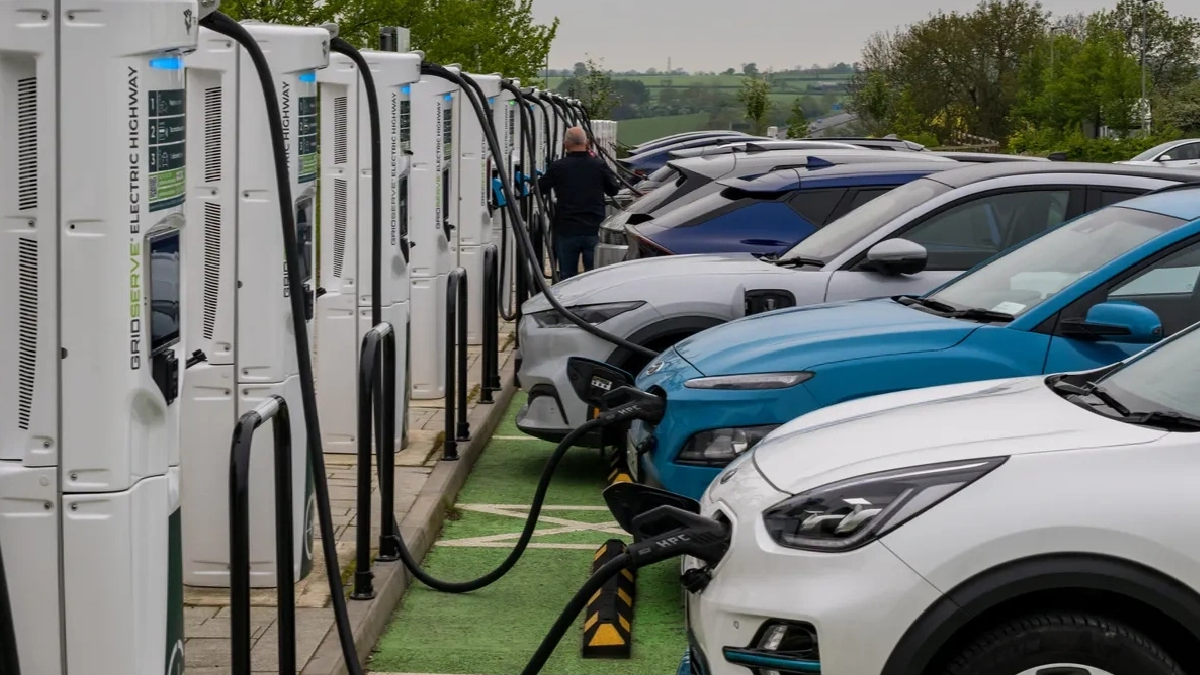
The UK government has confirmed it will challenge a tribunal decision that could significantly reduce VAT on public electric vehicle charging, a move that has sparked debate over fairness and the transition to cleaner transport. HM Revenue and Customs announced plans to appeal after a London tax tribunal found that charging the standard 20 percent VAT rate on public chargers may have been incorrect under existing law. The case has drawn attention as it directly affects the cost of charging electric vehicles for drivers who rely on public infrastructure.
The original ruling followed a legal challenge brought by Charge My Street, a not for profit operator, which argued that VAT on public charging should match the reduced 5 percent rate applied to domestic electricity. The tribunal agreed, suggesting that drivers using public chargers have effectively been paying higher costs than those able to charge at home. This discrepancy has been a longstanding concern for electric vehicle users, particularly those without access to off street parking or private charging facilities.
HM Revenue and Customs has stated that it will formally appeal the decision, meaning the current VAT structure will remain in place while the legal process continues. The appeal reflects broader concerns within government about the potential financial and policy implications of changing the tax framework. Officials are expected to argue that the existing system aligns with current legislation, even as critics claim it creates an uneven playing field for electric vehicle adoption.
Industry voices and environmental advocates have expressed disappointment over the decision to appeal, warning that maintaining higher VAT rates on public charging could slow the shift away from petrol and diesel vehicles. They argue that equalising costs would support wider adoption of electric vehicles, particularly in urban areas where many residents depend on public charging networks. The debate highlights a key challenge in the transition to cleaner energy, balancing fiscal policy with environmental goals.
The outcome of the appeal could have far reaching consequences for the UK’s electric vehicle market, influencing pricing, infrastructure investment, and consumer behaviour. As the government continues to promote greener transport solutions, the VAT dispute is likely to remain a central issue in discussions about accessibility and fairness. The case will now move through the appeals process, with stakeholders across the automotive and energy sectors closely watching developments.