Latest News
Social media firms deny platforms are addictive to children during heated UK parliamentary hearing


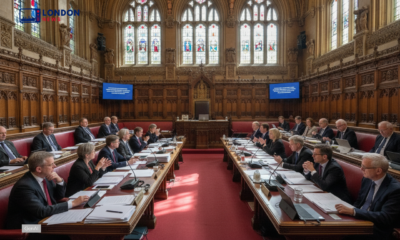
Senior representatives from Meta, TikTok and Roblox have rejected claims that their platforms are inherently addictive to children, during a tense parliamentary session in London. The executives appeared before MPs as part of an inquiry into the impact of social media on young users, where they faced sustained questioning over screen time, online safety, and the design of their platforms. The discussion highlighted growing concerns among lawmakers about the role of digital platforms in shaping the behaviour and wellbeing of children and teenagers.
During the hearing, members of the cross party education select committee challenged the companies on whether their products were intentionally designed to encourage prolonged use among younger audiences. The executives responded by stating there is no clear evidence to support the claim that their platforms are addictive by nature. They emphasised that their services are built to provide entertainment, communication, and creativity, while also offering tools aimed at promoting healthier usage habits and parental controls to help manage time spent online.
The session also addressed proposals to restrict access to social media for users under the age of 16, an idea that has gained attention in the UK and internationally. Representatives from the companies argued that such a ban would be difficult to enforce in practice, citing challenges related to verifying user age and the risk of pushing young people toward unregulated or less secure online spaces. Their position reflects ongoing debate about how best to balance child protection with practical implementation of digital policies.
The hearing took place as part of wider discussions within government about potential regulatory changes in the digital sector. Lawmakers are currently exploring measures that could include stricter age limits, enhanced safety requirements, and increased accountability for tech companies. The inquiry is examining how platforms operate and what responsibilities they hold in protecting young users from harmful content, excessive usage, and online risks.
While the companies maintained their stance during questioning, the session underscored the continued scrutiny facing social media platforms in the UK. Policymakers are expected to review the evidence presented as part of a broader consultation process, which may shape future legislation governing online platforms. The outcome of these discussions could have significant implications for how social media is accessed and regulated by younger audiences across the country.