Politics
Starmer confronts Mandelson vetting row in PMQs
Keir Starmer says officials withheld results in the Mandelson vetting controversy, raising new Westminster questions over security vetting and trust.

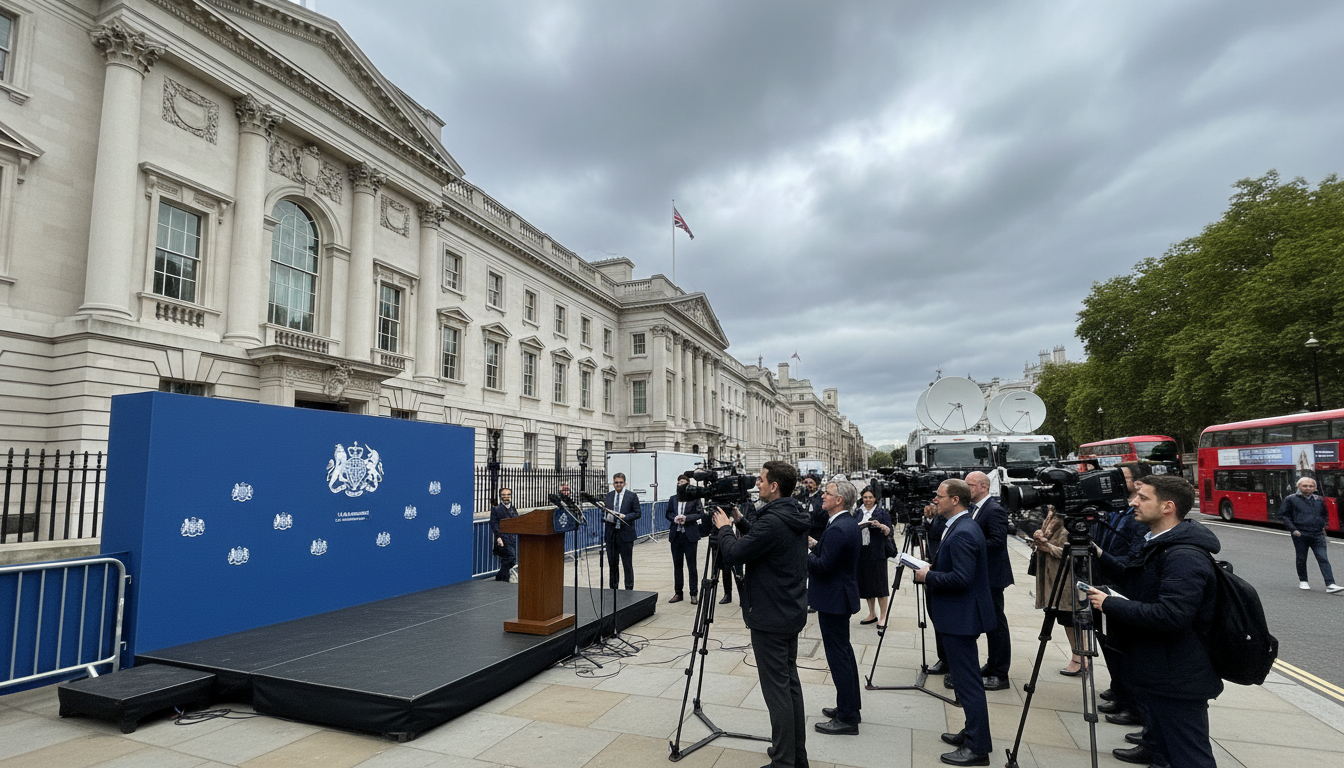
Starmer Speaks on Mandelson Vetting
Keir Starmer used a tightly worded statement to describe how he was briefed on the Mandelson case and why he believes the record presented to him was incomplete. In a Live exchange with journalists outside Westminster, he said officials deliberately withheld the vetting outcome from him, a claim first carried in detail by the BBC. The Mandelson vetting controversy has quickly become a test of whether No 10 can demonstrate control over internal advice chains when appointments are discussed. Today, Downing Street framed the issue as one of process rather than personalities, stressing that decisions must rest on complete information. Starmer said he wants clarity on who had access to the result and why it was not shared.
The Impact on Government Appointments
Inside Whitehall, the immediate concern is whether the information gap affected appointment decisions and how similar cases are handled going forward. In a Today briefing, Starmer signalled a review of how submissions reach the prime minister, with an emphasis on written audit trails and accountability for omissions. He also pointed to earlier Cabinet Office expectations on the handling of sensitive material, while avoiding naming individual officials in public. A separate Update in Parliament records shows the government is already under pressure to explain internal governance, including through formal channels such as UK Parliament written statements record. The government insists routine work continues while internal lines are checked.
The Role of Security Vetting in Politics
Security vetting sits at an awkward intersection of national security practice and political accountability, because outcomes can be highly sensitive while consequences are plainly political. In this case, the Mandelson vetting controversy is being discussed as a question of whether the prime minister was denied material needed to make a judgement, rather than a debate about publishing classified details. A Live briefing note circulated to lobby correspondents reiterated that vetting processes are designed to inform, not to decide, and that ministers remain responsible for appointments. Today, officials sought to separate the integrity of the vetting system from the handling of the result, with Starmer indicating he wants both tested. He said future Update notes to No 10 must clearly flag any restrictions, caveats, or adverse findings.
Reactions and Political Ramifications
Opposition figures and some government backbenchers are focusing on who controlled the flow of information and whether the prime minister can credibly claim he was kept in the dark. In Westminster, the story has sharpened scrutiny of the centre of government, where small failures in paper handling can produce large political costs. Commentators also compared the episode with other recent administration problems where transparency and document control became flashpoints, citing continuing debate around Home Office hotel accommodation litigation pressures as an example of how internal process issues can expand into broader confidence questions. A Live response from No 10 rejected claims of chaos and promised an Update once the internal fact finding is complete. Starmer allies argued that swift disclosure of the chain of custody would limit damage.
What’s Next for UK Political Integrity?
The next phase turns on documentation, including who signed off briefs, what was circulated, and whether any guidance was breached when the vetting result was handled. Starmer has indicated he expects a timetable for findings and will then decide what disciplinary or procedural steps are required, framing the matter as a test of standards in government. The Mandelson vetting controversy is also likely to drive renewed attention to how sensitive advice is logged and escalated, particularly when political reputations are at stake. Today, Downing Street said the prime minister wants a system that is both secure and intelligible to decision makers, and that reforms should not weaken protective checks. A final Live Update to Parliament is expected once officials complete interviews and document reviews.