Business
FTSE 100 falls to two month low as Bank of England decision and Middle East tensions weigh on markets

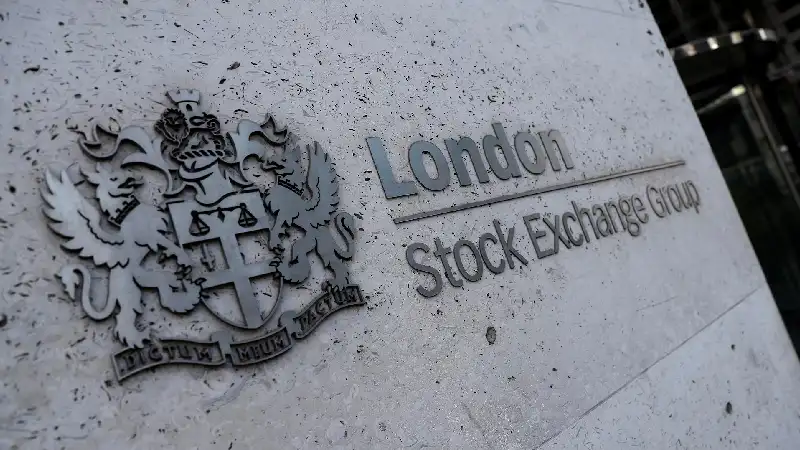
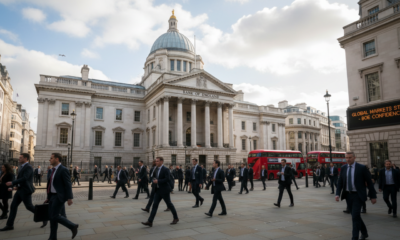
London’s stock markets declined sharply, with the FTSE 100 closing at its lowest level in two months as investors reacted to the Bank of England’s latest policy decision and rising geopolitical risks. The benchmark index dropped 2.4 percent, reflecting broad based losses across sectors as uncertainty intensified. The FTSE 250 also fell by a similar margin, reaching its weakest point in nearly four months. Market sentiment remained fragile as investors weighed the implications of steady interest rates alongside escalating tensions in the Middle East that continue to impact global financial stability.
The Bank of England’s decision to keep interest rates unchanged added to market caution, particularly as policymakers highlighted growing risks to inflation. Investors had expected a divided vote, but the unanimous decision signalled a cautious stance amid uncertainty. Analysts say the central bank’s warning about inflation pressures, especially from rising energy prices, has raised expectations that borrowing costs could increase later in the year. This shift in outlook has led investors to reassess risk exposure, contributing to the sharp sell off seen across equity markets.
Geopolitical developments played a major role in shaping investor behaviour, with conflict in the Middle East driving oil prices higher and increasing volatility across global markets. The surge in energy costs has raised concerns about inflation and economic growth, prompting investors to move away from riskier assets. In the UK market, most sectors ended the day in negative territory, with mining and banking stocks among the worst performers. Analysts noted that uncertainty surrounding energy supply and global trade conditions continues to influence market movements.
The energy sector was the only area to post gains, supported by rising oil prices. Shares in major energy companies moved higher as investors anticipated stronger revenues linked to increased commodity prices. BP was among the top performers, benefiting from both the broader rally in energy stocks and company specific developments including asset sales and cost reduction plans. The divergence between energy stocks and the wider market highlights how geopolitical events are reshaping sector performance and investor priorities.
Additional economic data released during the day also contributed to the cautious mood. Figures showed that wage growth in the UK has slowed to its lowest level in several years, suggesting easing pressure in the labour market. While this could help moderate inflation over time, the impact is being overshadowed by external factors such as rising energy costs. Investors are now balancing domestic economic signals with global developments, creating a complex environment for decision making in financial markets.
Corporate developments added to the pressure on equities, with banking stocks facing renewed scrutiny. HSBC shares declined after reports suggested the lender could consider significant job cuts as part of cost management efforts. The move reflects broader challenges facing financial institutions as they navigate changing economic conditions and shifting regulatory expectations. The combination of macroeconomic uncertainty and company specific developments has contributed to a widespread decline across the market.
As trading closed, the overwhelming majority of FTSE 100 stocks finished in negative territory, underlining the scale of the downturn. Market participants are expected to remain cautious in the near term as they monitor central bank signals, energy prices and geopolitical developments. The current environment suggests continued volatility, with investors closely watching how economic and political factors evolve in the coming weeks.