Business
Bank of England Likely to Delay Interest Rate Cut as Iran Conflict Raises Inflation Risks

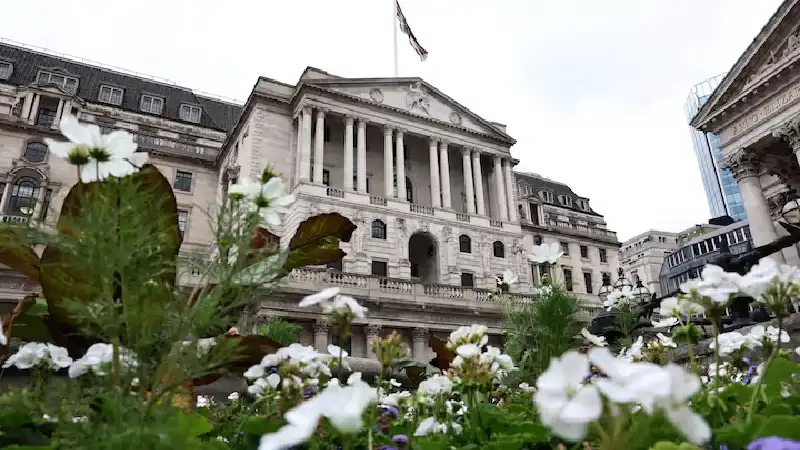
The Bank of England is expected to delay a planned interest rate cut as policymakers confront growing inflation risks linked to the ongoing conflict in the Middle East. Economists say the central bank is increasingly cautious as rising energy prices threaten to push inflation higher across the United Kingdom. The Monetary Policy Committee is widely expected to keep the Bank Rate at 3.75 percent during its upcoming policy meeting, reversing earlier expectations that borrowing costs would soon begin to fall. Analysts note that global uncertainty and volatile oil markets are forcing central banks to reassess their strategies as geopolitical tensions begin to influence economic forecasts.
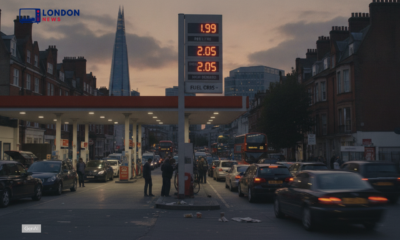
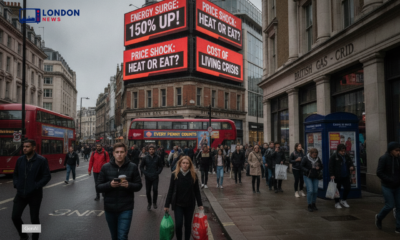
Before the escalation of tensions involving Iran, financial markets had largely anticipated that the Bank of England would reduce interest rates in March to support economic growth. However, rising oil and gas prices have altered the outlook significantly. Energy costs are a major factor in inflation because they affect transportation, manufacturing and household utility bills. If energy prices remain elevated, economists estimate that inflation in the UK could rise to between three and four percent by the end of 2026. That would place price growth well above the central bank’s two percent target and could delay any easing of monetary policy.
The United Kingdom remains particularly sensitive to fluctuations in global energy markets due to its reliance on imported natural gas. Even modest changes in fuel prices can quickly feed through to consumer costs and business expenses. Economists warn that sustained increases in energy prices could also influence inflation expectations among households and companies. When businesses anticipate higher costs in the future, they often raise prices in advance, while workers may push for higher wages. These dynamics can make inflation harder to control and complicate the decisions faced by central banks attempting to balance price stability with economic growth.
Market analysts say policymakers are now likely to adopt a more cautious communication strategy in response to the heightened uncertainty. At previous meetings the central bank suggested that interest rates would gradually fall if economic conditions improved. However economists believe officials may now shift their guidance to emphasize that future decisions will depend on how inflation evolves in the coming months. Investors will be closely watching comments from members of the Monetary Policy Committee for signals about whether the bank still expects to reduce borrowing costs later this year or if the timeline for easing policy will be pushed further into the future.
Financial markets have already adjusted their expectations as the conflict in the Middle East reshapes economic forecasts. Some investors are now considering the possibility that interest rates could remain unchanged for longer than previously predicted. In extreme scenarios where energy prices surge sharply, analysts say markets might even begin discussing the risk of higher interest rates rather than cuts. Although such a shift is not widely expected, the uncertainty highlights how geopolitical events can rapidly alter monetary policy outlooks.
Despite the challenges, many economists believe the Bank of England will avoid raising rates again unless inflation accelerates significantly. The UK economy is currently experiencing modest growth, while unemployment has begun to rise in some sectors. These factors limit the central bank’s ability to tighten monetary policy aggressively without risking a slowdown in economic activity. Policymakers are therefore likely to monitor incoming data closely before making any major adjustments to interest rates.
The coming months will be critical for determining the direction of UK monetary policy. Energy prices, consumer spending trends and global market conditions will all influence the central bank’s decisions. For now economists expect the Bank of England to adopt a wait and see approach while assessing how the international situation develops and whether inflation pressures begin to intensify again.